









Advanced Material
Advanced materials are designed to perform under demanding thermal, mechanical, electrical, and environmental conditions. Whether the material is used in aerospace structures, microelectronics, battery systems, thermal insulation, high-performance polymers, ceramics, or composite components, its thermal behavior directly affects safety, reliability, processing stability, and service life.
Zeal Instruments provides thermal analysis and thermal property measurement systems for advanced material research, product development, quality control, and failure analysis. Our solutions help laboratories evaluate heat flow, thermal conductivity, thermal resistance, phase transitions, curing behavior, and temperature-dependent material stability.
Materials Commonly Tested
Advanced material testing often involves a wide range of sample types and structures. Different materials require different thermal analysis methods depending on their form, temperature range, conductivity level, and application conditions.
Composites and laminated structures
Carbon fiber composites, glass fiber laminates, thermal interface composites, multilayer films, coated materials, and filled polymer composites often show direction-dependent thermal behavior. Their in-plane and through-thickness thermal conductivity may differ significantly, especially when fibers, fillers, or layered structures are introduced.
Ceramics and thermal barrier materials
Ceramics, refractory materials, aerogels, foam glass, mineral wool, and insulation boards are commonly used where heat resistance, thermal insulation, or dimensional stability is required. Accurate thermal conductivity and thermal resistance data help engineers evaluate insulation performance and long-term reliability.
Polymers and thermosetting materials
Thermoplastics, thermosets, elastomers, adhesives, coatings, and polymer blends may undergo glass transition, melting, crystallization, curing, oxidation, or decomposition as temperature changes. These transitions influence processing windows, molding conditions, product stability, and final performance.
Nanomaterials and filled materials
Nanofillers such as graphene, carbon nanotubes, boron nitride, aluminum nitride, and other conductive additives are often used to improve heat dissipation or mechanical performance. Thermal testing helps evaluate filler dispersion, conductivity improvement, and the consistency of material batches.
Thermal Analysis Methods for Advanced Materials
A complete advanced material evaluation often combines several complementary techniques.
Differential Scanning Calorimetry (DSC) is used to measure heat flow changes during programmed heating, cooling, or isothermal conditions. It can help identify glass transition temperature, melting point, crystallization behavior, curing heat, oxidation onset, reaction enthalpy, and thermal stability. For polymers, composites, adhesives, and thermosetting systems, DSC data is especially useful for defining processing windows and comparing formulation changes.
Thermogravimetric Analysis (TGA) is commonly used to measure mass change as a material is heated under controlled atmosphere. It helps evaluate moisture content, volatile loss, oxidation, decomposition temperature, ash content, and filler or resin content. Although DSC and TGA measure different signals, they are often used together to understand both heat-flow events and mass-loss behavior during material characterization.
Thermal conductivity and heat-flow testing measures how efficiently heat passes through a material. This is critical for insulation materials, thermal interface materials, battery materials, electronic packaging, polymer composites, and lightweight structural components. For anisotropic or multilayer materials, conductivity may need to be measured in more than one direction to reflect real application conditions.
Applicable Zeal Instruments
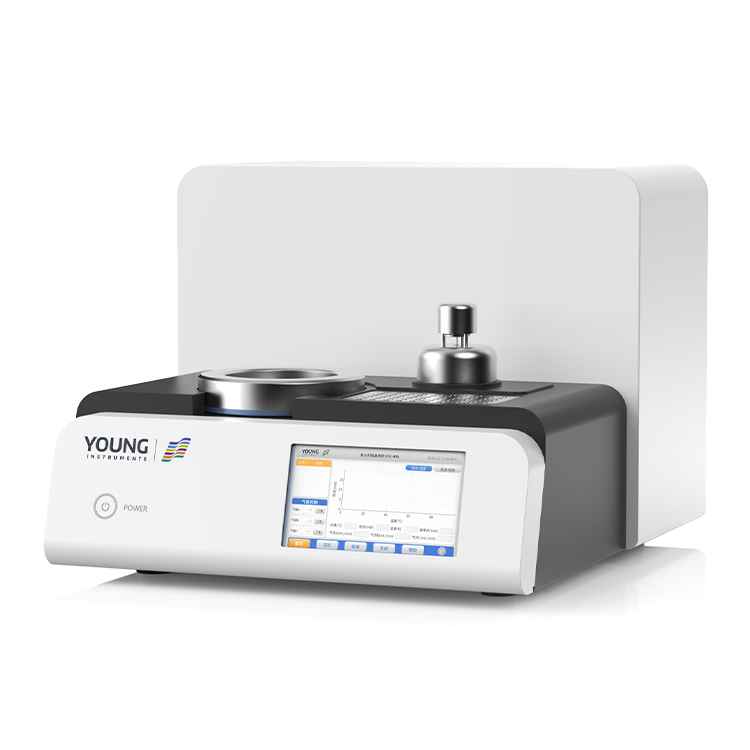
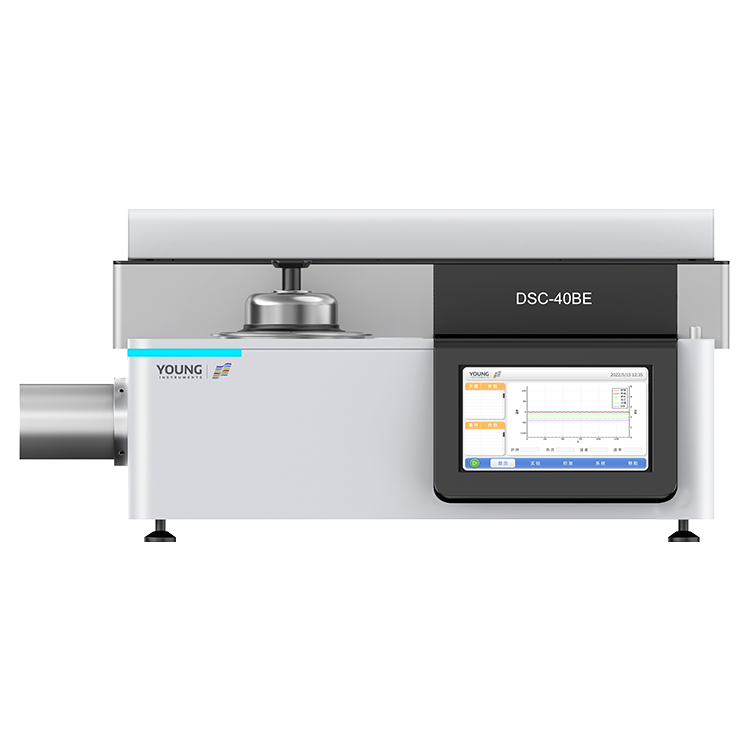
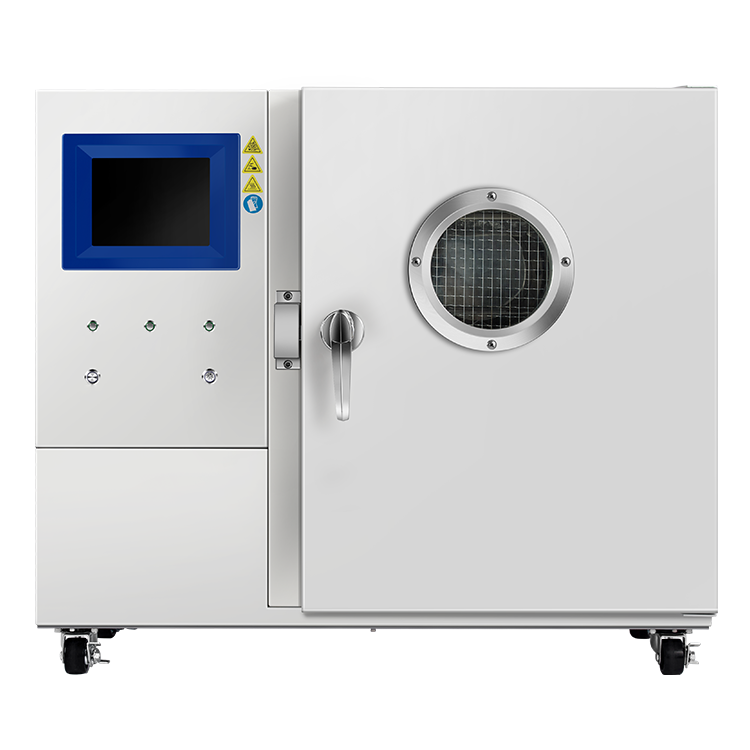
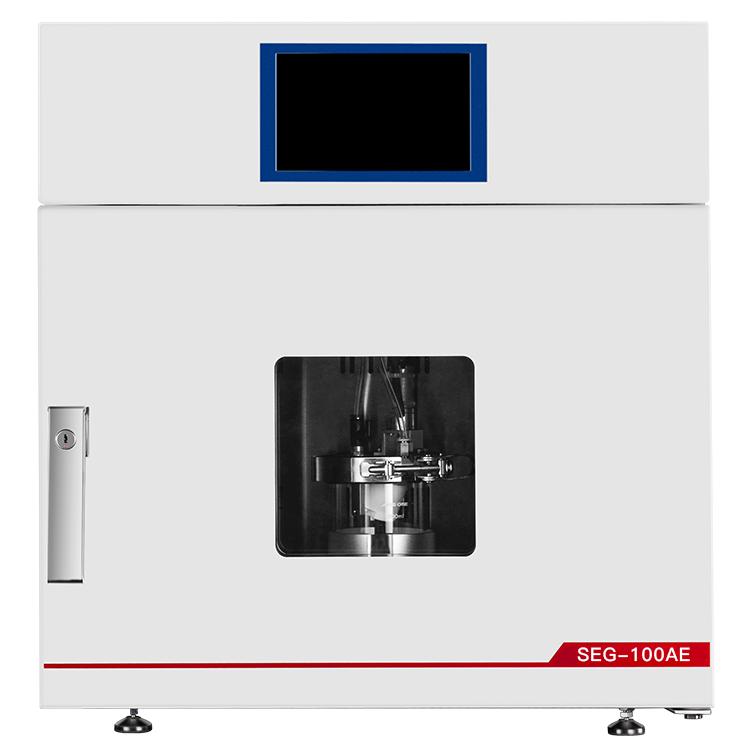
For heat-flow and thermal transition analysis, Zeal’s DSC-40AE Differential Scanning Calorimeter supports high-temperature thermal analysis up to 700 °C. It is suitable for polymers, composites, thermosetting materials, curing studies, phase transition analysis, enthalpy measurement, and kinetic evaluation.
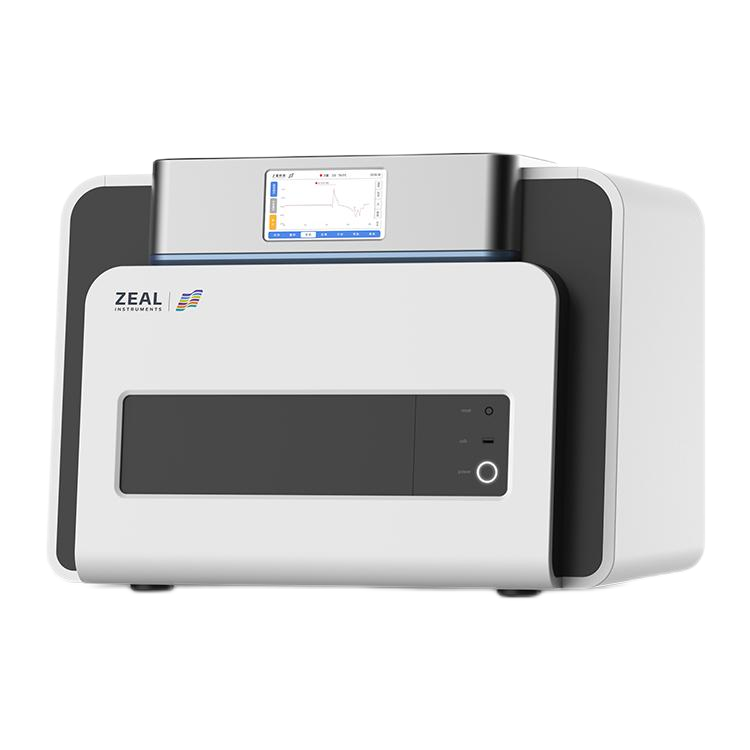
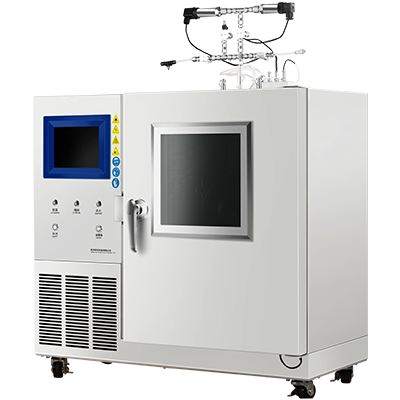
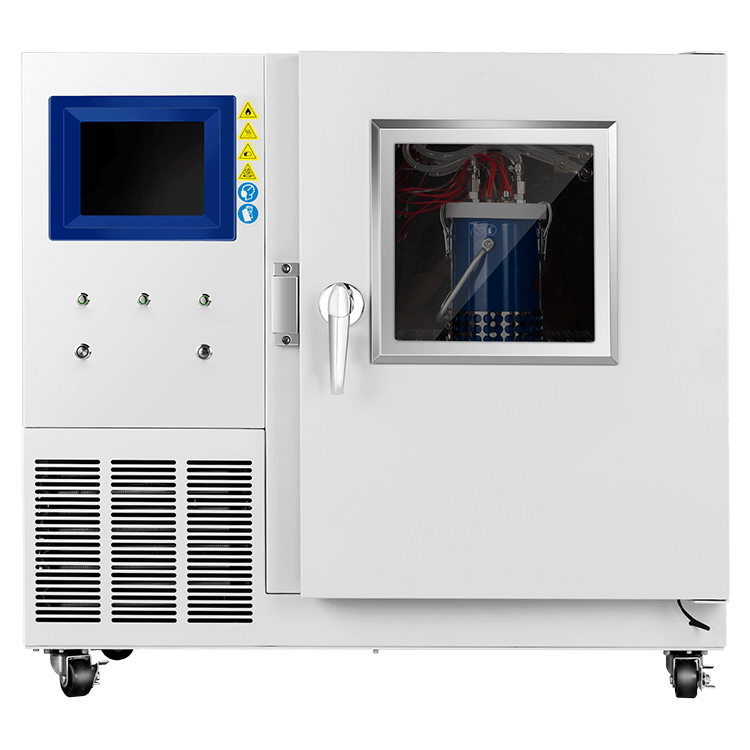
For low-conductivity and insulation materials, the HFM 510AE Heat Flow Meter measures thermal conductivity and thermal resistance of materials such as EPS, XPS, rigid PU foam, mineral wool, aerogel, foam glass, concrete, gypsum, and other insulation or barrier materials. It supports automated operation, dual heat-flow sensors, thickness measurement, and standards-based testing workflows.
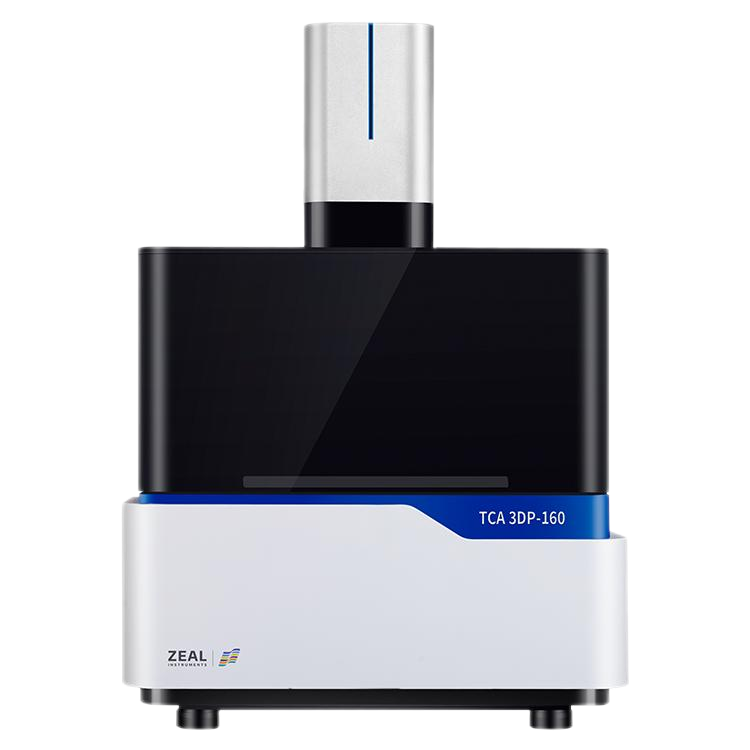
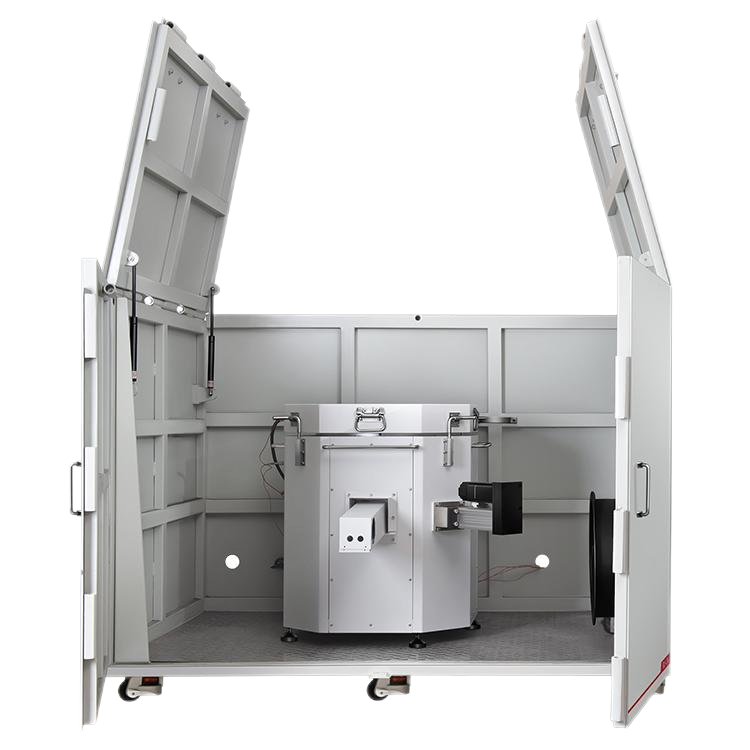
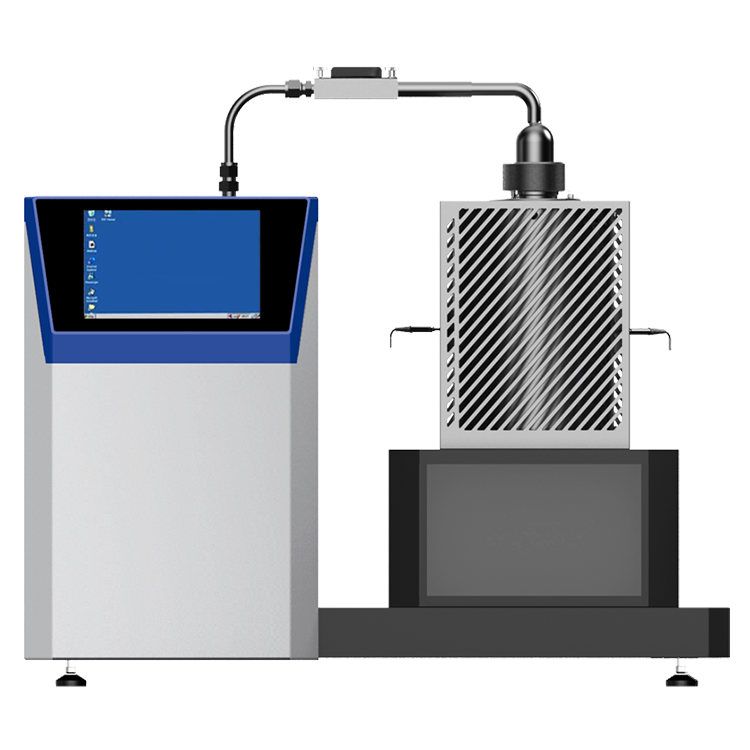
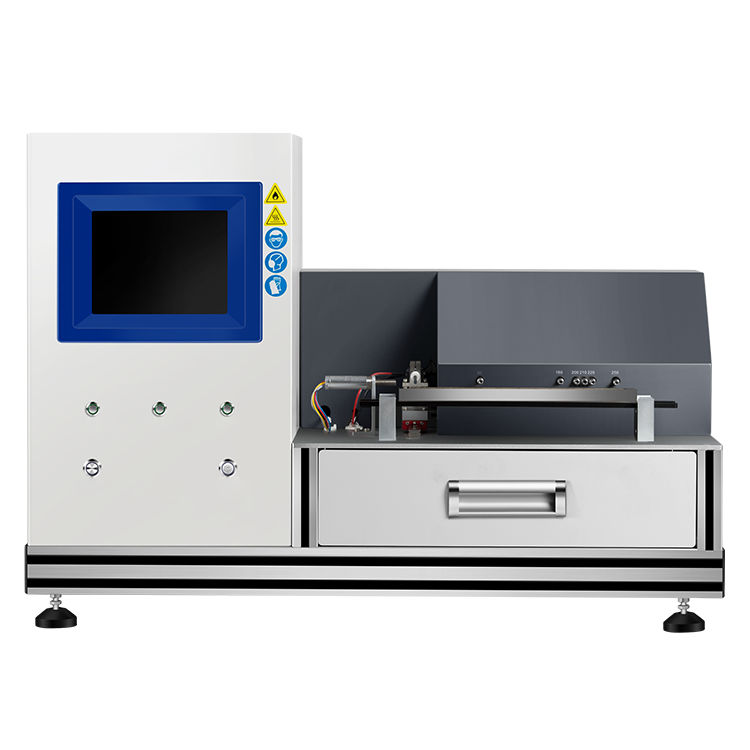
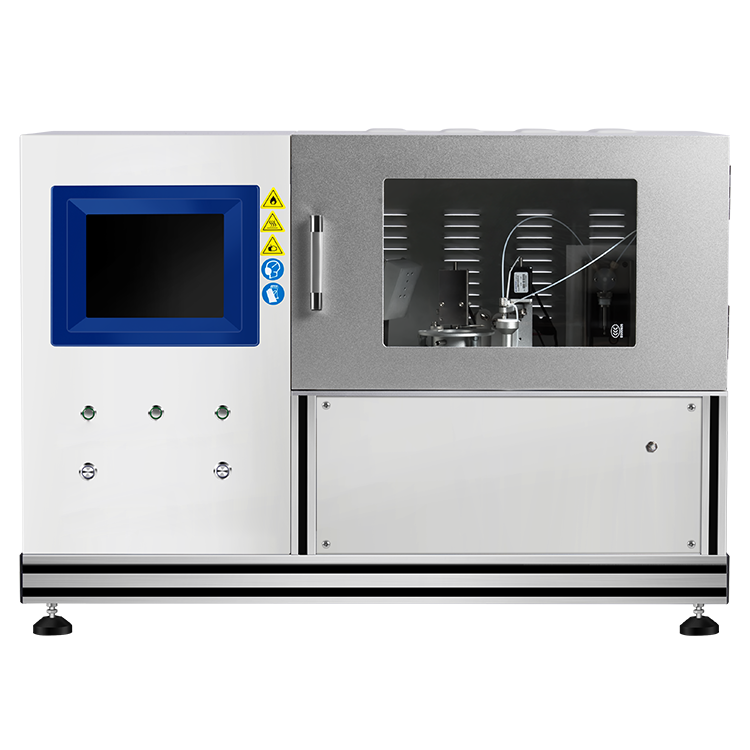
For layered, heterogeneous, or anisotropic materials, the TCA 3DP-160E 3D Thermal Properties Analyzer uses non-contact infrared thermography and 3D heat-transfer model inversion to measure in-plane and through-plane thermal conductivity. It is suitable for multilayer structures such as pouch batteries, carbon fiber laminates, stacked films, and other composite materials where destructive sample preparation is not preferred.
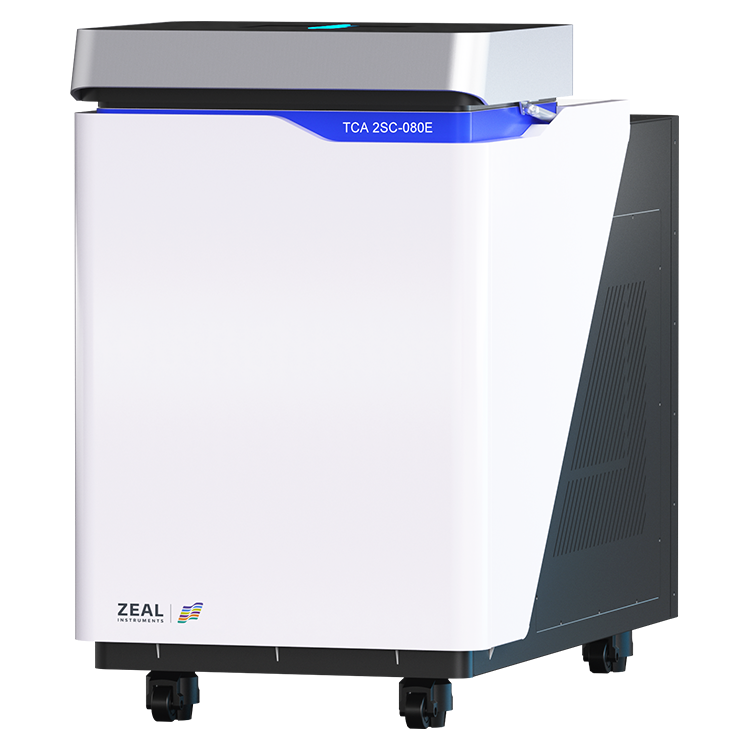
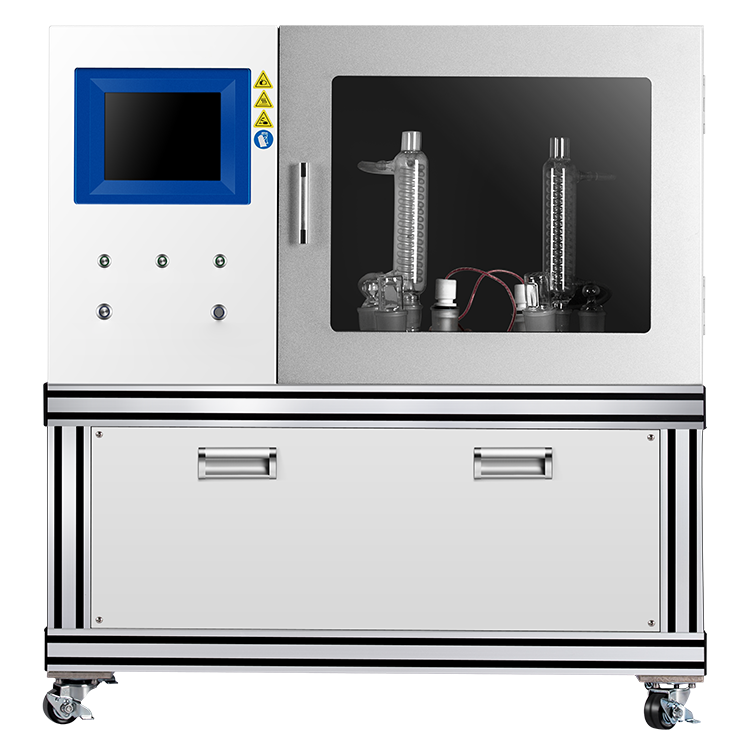
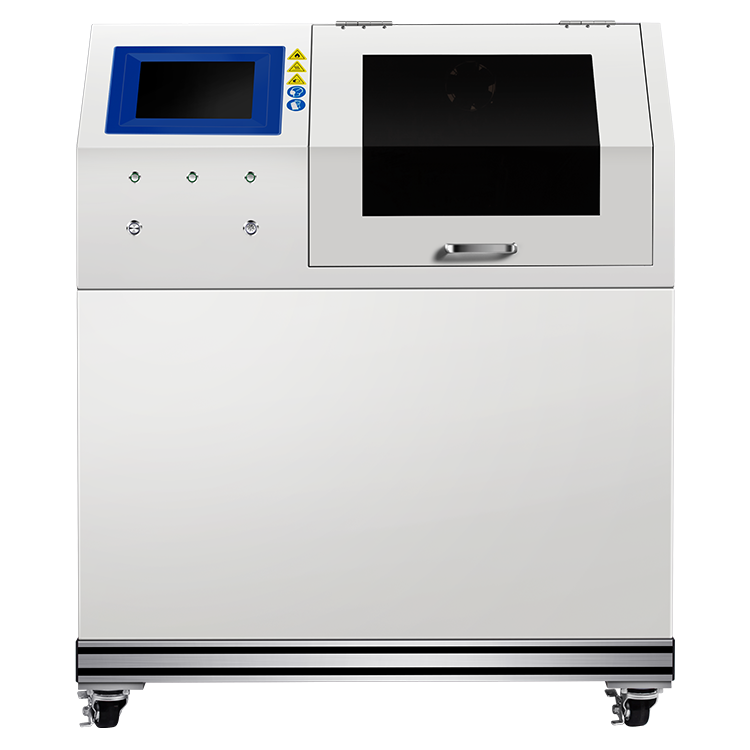
For complex core–shell structures and finished components, the TCA 2SC-080E Dual-state Thermal Parameter Tester supports non-destructive thermal parameter measurement using infrared thermography and 3D inverse analysis. It is useful when laboratories need to evaluate effective thermal conductivity, internal thermal resistance, and thermal behavior in structured samples.
Standards, Compliance, and Quality Control Context
Advanced material testing is not only used in research. It also supports regulatory documentation, supplier qualification, batch comparison, product validation, and internal quality control. Depending on the material and test method, laboratories may need to follow recognized standards such as ASTM, ISO, GB/T, DIN, JIS, or industry-specific procedures.
For example, heat flow meter testing is commonly used for insulation and low-conductivity materials under standards such as ASTM C518, ISO 8301, and GB/T 10295. In aerospace, electronics, battery, construction, and energy-related applications, standardized or repeatable test data helps manufacturers compare materials, validate design assumptions, and reduce the risk of performance failure in real operating conditions.
Supporting Material Development from R&D to Production
Advanced materials often move through multiple stages before commercial use: formulation screening, prototype evaluation, process optimization, supplier comparison, production quality control, and failure analysis. Thermal analysis provides data that connects material structure with real performance.
Zeal Instruments helps laboratories select suitable thermal analysis and thermal property testing methods based on sample form, temperature range, conductivity level, testing direction, and application environment. From DSC-based thermal transition analysis to heat flow meter testing and non-contact 3D thermal conductivity measurement, Zeal provides practical tools for understanding how advanced materials behave under thermal conditions.
For advanced material developers, reliable thermal data supports better formulation decisions, safer processing, improved product consistency, and stronger confidence in final material performance.


