

















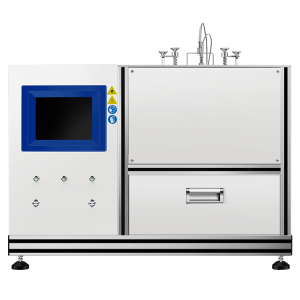






UN Recommendations on the Transport of Dangerous Goods — Manual of Tests and Criteria, Section 28.4.2, Test H.2: Adiabatic storage test
Complies with the above standards and their equivalent national or industry standards.






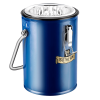
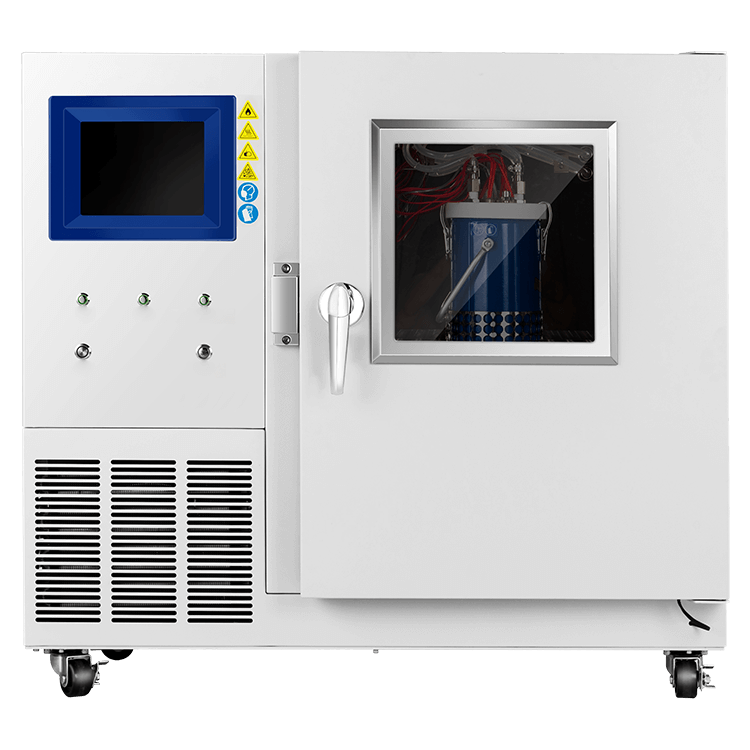


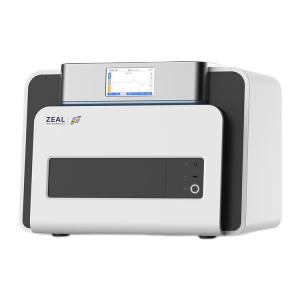
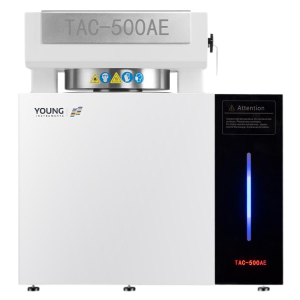
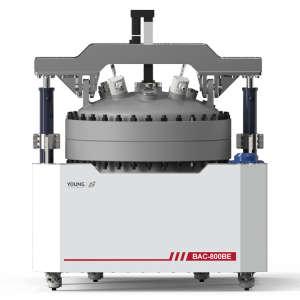
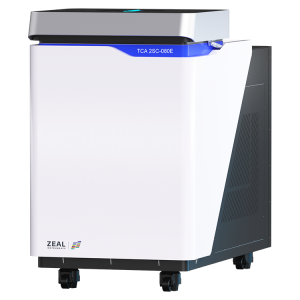
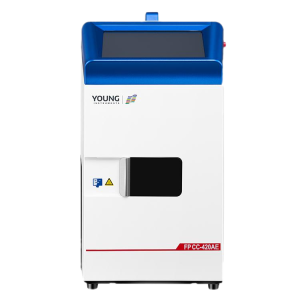
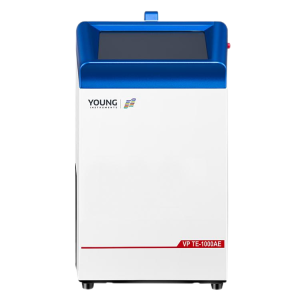
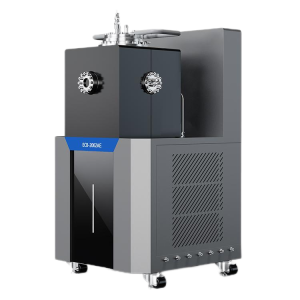
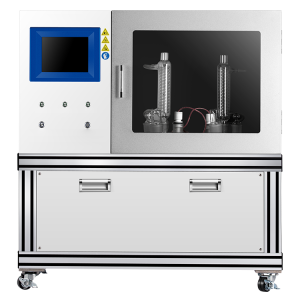
This instrument employs the Dewar flask adiabatic storage method to determine the self-accelerating decomposition temperature (SADT) of substances under simulated packaging conditions. The sample is loaded into a standard Dewar flask and placed in an adiabatic storage test furnace. The sample is brought to a preset temperature under programmed temperature control and held isothermally to observe whether self-heating occurs. By gradually adjusting isothermal conditions, the SADT is progressively determined, providing critical data support for temperature control, thermal safety assessment, and packaging selection of hazardous chemicals during storage and transport.
Self-Accelerating Decomposition Temperature (SADT)
Petrochemicals, Fine Chemicals, Commercial Explosives, Pharmaceuticals

Features

Specifications
Standards

Applications

Videos

Embedded processor, Windows CE operating system.
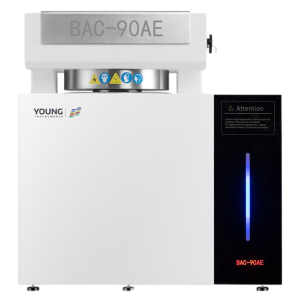
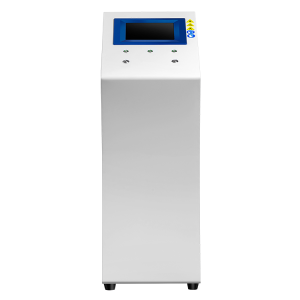
8-inch LCD touchscreen displaying real-time test status.
Built-in air circulation system ensuring temperature uniformity and stability within the chamber.
Digital PID control algorithm for high-precision temperature control.
Equipped with a cooling system to prevent sample overheating and explosion.
Auxiliary safety devices for overheat protection, automatically cutting off heating at preset temperatures.
Built-in fault detection with audible and visual alarms for enhanced safety.
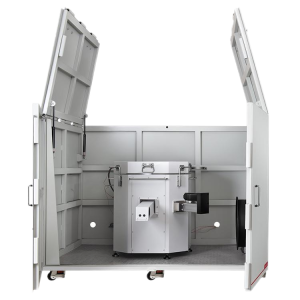
Blast-resistant glass observation window on the front; rear pressure relief door designed to open when internal force exceeds 2.5 kgf, ensuring safety.
Real-time display of operation time and temperature; automatic plotting of temperature–time curves with access to raw data.
Versatile testing options allow users to configure test parameters based on sample characteristics.
Fully automated test process requiring no manual intervention; supports parameter configuration, data storage, and report viewing.
Chamber-type air circulation system eliminating axial and radial thermal gradients, maintaining long-term temperature uniformity.
| Operating Environment | -5–45 °C, <95% RH |
| Chamber Temperature Control Range | -20–220 °C |
| Temperature Control Accuracy | ±1 °C |
| Sample Temperature Measurement Range | -50–500 °C |
| Sample Temperature Measurement Precision | ±1.5 °C or ≤±0.004|t| °C |
| Sample Temperature Measurement Resolution | 0.1 °C |
| Sample Temperature Measurement Accuracy | ±(2.5 or 0.0075|t|) °C |
| Dewar Flask Capacity | 1 L |
| Dewar System Heat Loss Rate | ≤10 mW |
| Constant Power Adjustment Range | 0.1–2 W |
| Constant Power Accuracy | ≤0.015 W |
| Temperature Rise Rate Range | 0–2 °C |
| Coolant Circulation Flow Rate | ≥3 L/min |
| Dewar Flask Material | Glass inner vessel, metal outer casing with blue coating |
| Instrument Dimensions (L × W × H) | 930 mm × 545 mm × 875 mm |
No information!
No information!
UN Recommendations on the Transport of Dangerous Goods — Manual of Tests and Criteria, Section 28.4.2, Test H.2: Adiabatic storage test
Complies with the above standards and their equivalent national or industry standards.

