























Inquiries Welcome
Ask us any general question you may have
Contact Information
Customer-centric, providing professionalservice.





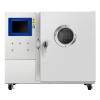
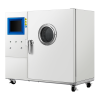
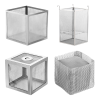

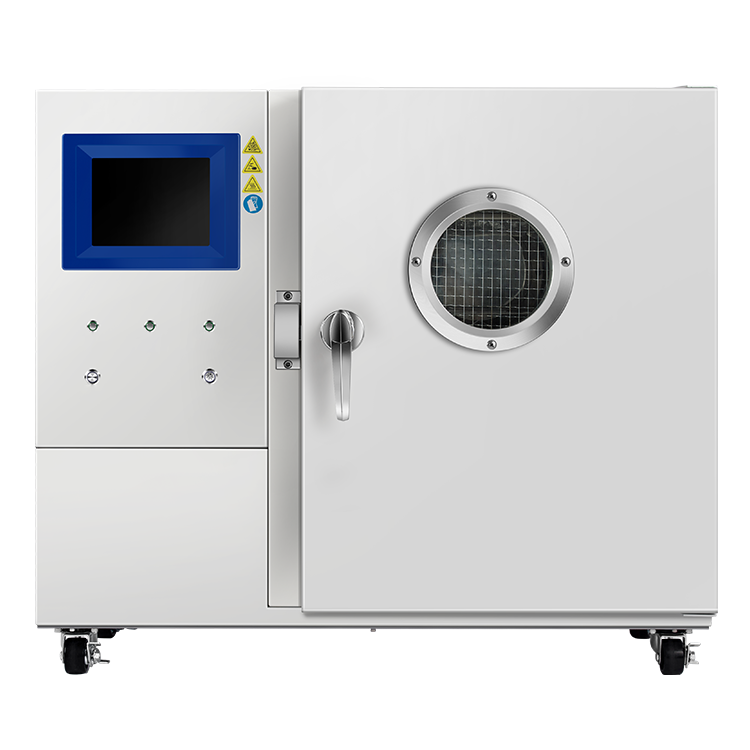


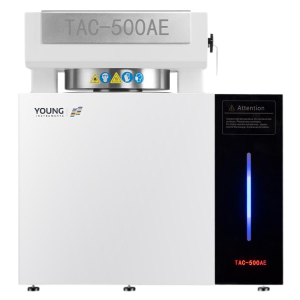
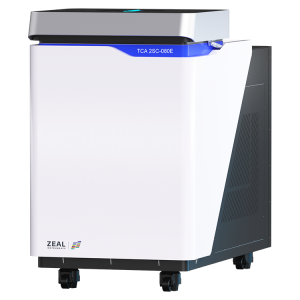
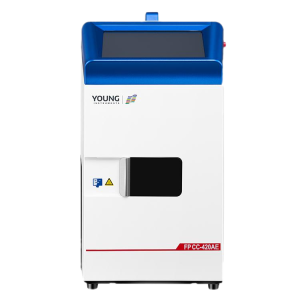
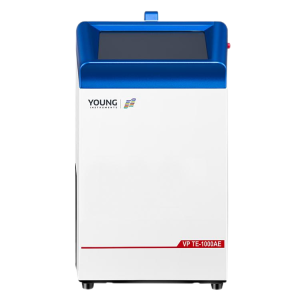
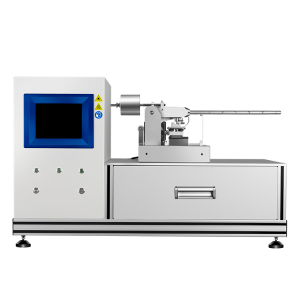
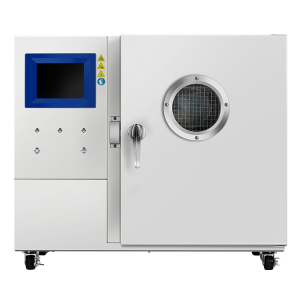
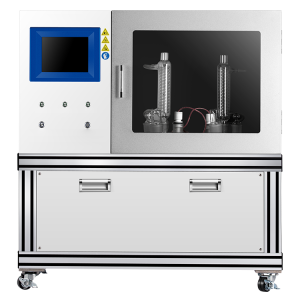
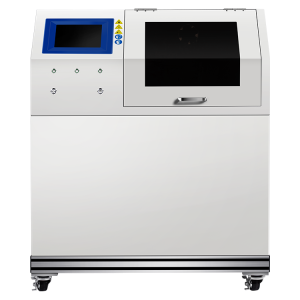
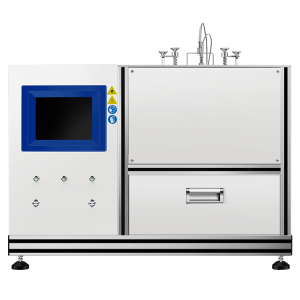
This instrument integrates 75 °C thermal stability testing and self-heating substance testing. The 75 °C thermal stability test monitors the temperature difference between the test sample and an inert reference at a constant 75 °C for 48 consecutive hours to determine whether the substance is classified as “too dangerous to transport.” The self-heating substance test places the sample in standard 25 mm or 100 mm cubic wire-mesh baskets and continuously monitors for hazardous self-heating at 100 °C, 120 °C, or 140 °C to determine the packaging group.
Test Parameters
Sample-Reference Temperature Difference, Self-Heating Determination, Temperature Rise, Oxidative Self-Heating Tendency
Application
Chemicals, Civil Explosives, Inspection & Testing, Environmental Protection

Features

Specifications
Standards

Applications

Videos

Integrated dual-function design: self-heating substance test and 75 °C thermal stability test in one instrument.
Embedded processor, Windows CE operating system.
8-inch LCD touchscreen displaying real-time test status.
Built-in hot air circulation heating system ensuring temperature uniformity and stability.
Digital PID control algorithm for precise heating temperature control with high accuracy.
Test reports include packaging type assessment.
Built-in fault detection with audible and visual alarms for enhanced safety.
Versatile test options allowing users to configure test parameters based on sample characteristics and adjust test sequence arbitrarily.
Custom wire-mesh baskets available in special specifications.
Three-point temperature measurement system ensuring data accuracy and reliability.
Specially designed tube cover pressure relief device for effective internal pressure release.
Fully unattended automated operation.
Real-time display of runtime and temperature with automatic test curve plotting; raw data review available.
Blast-resistant glass observation window on the front; rear pressure relief door designed to open when internal force exceeds 2.5 kgf, ensuring safety.
Fully automated test process requiring no manual intervention; supports parameter setting, data storage, and report viewing.
Test Standards: UN Recommendations on the Transport of Dangerous Goods – Manual of Tests and Criteria; GB/T 21612; GAT 536; NY/T 1860; EN 13631-2:2002; GB 5085.5
| Operating Environment | -5–45 °C, < 95% RH |
| Temperature Control Range | RT–200 °C |
| Temperature Control Accuracy | ±1 °C |
| Temperature Fluctuation | ≤±0.5 °C |
| Temperature Uniformity in Test Zone | Below 140 °C: ±1.0 °C, 140–180 °C: ±1.5 °C, 180–200 °C: ±2.0 °C |
| Thermocouple Measurement Range | -40–1000 °C |
| Temperature Measurement Resolution | 0.1 °C |
| Temperature Measurement Precision | ±1.5 °C or ≤±0.004|t| |
| Response Time | 0.5 s |
| Temperature Measurement Accuracy | Below 300 °C: ±2.5 °C, Above 300 °C: ±0.75% of reading |
| Standard Timing Range | 0–240 h |
| User-defined Timing Range | 0–480 h |
| Timing Accuracy | ±0.01 s |
| Timing Display Resolution | 1 s |
| Oven Capacity | ≥27 L |
| Self-Heating Test Wire-Mesh Baskets | 25 mm and 100 mm side-length cubes |
| 75 °C Test Container Dimensions (Φ × H) | (50.5 ± 0.5) mm × 150 mm |
| Internal Chamber Dimensions | 350 mm × 350 mm × 400 mm |
| Safety Valve Opening Pressure | 60 kPa |
No information!
No information!
No information!
Ask us any general question you may have
Customer-centric, providing professionalservice.


