




















Inquiries Welcome
Ask us any general question you may have
Contact Information
Customer-centric, providing professionalservice.





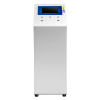
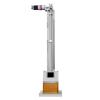
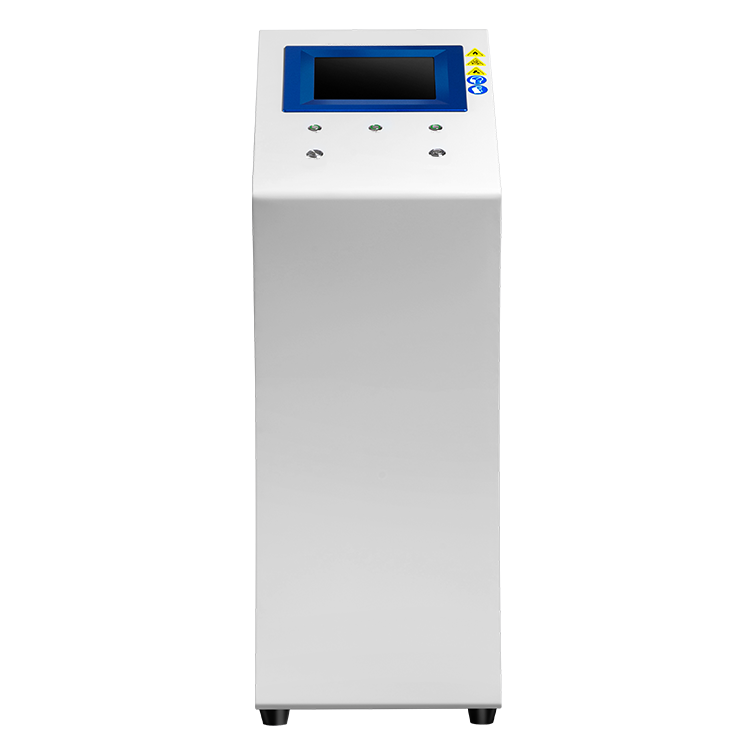
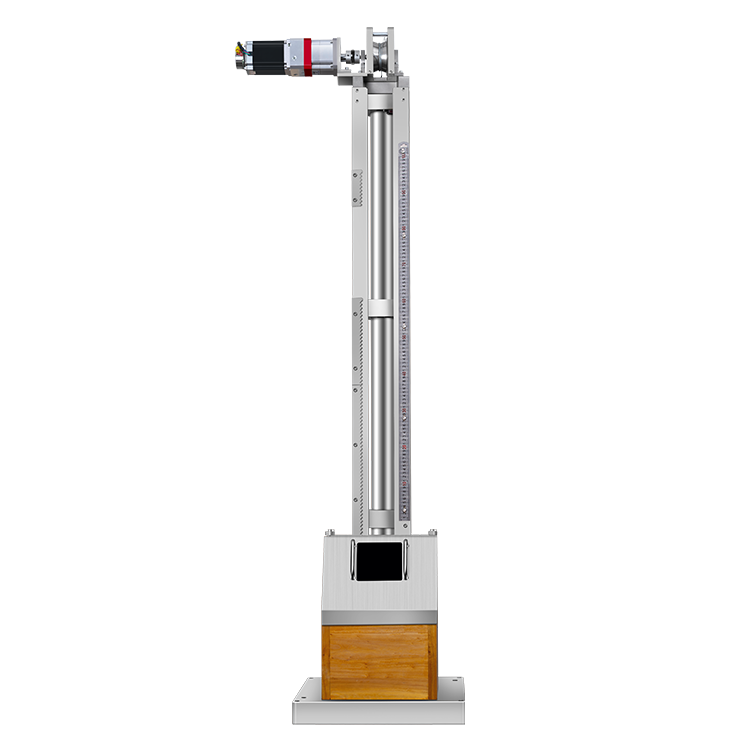
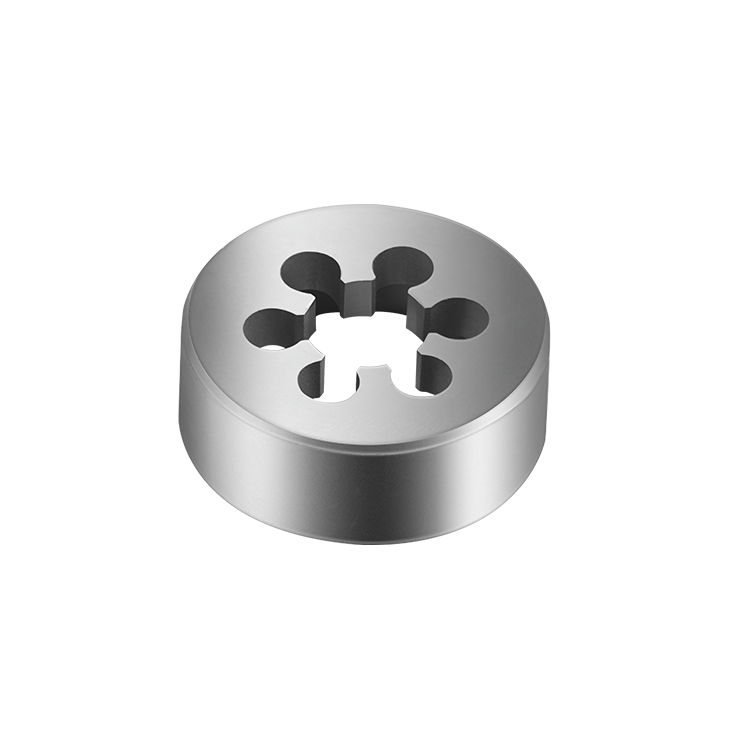
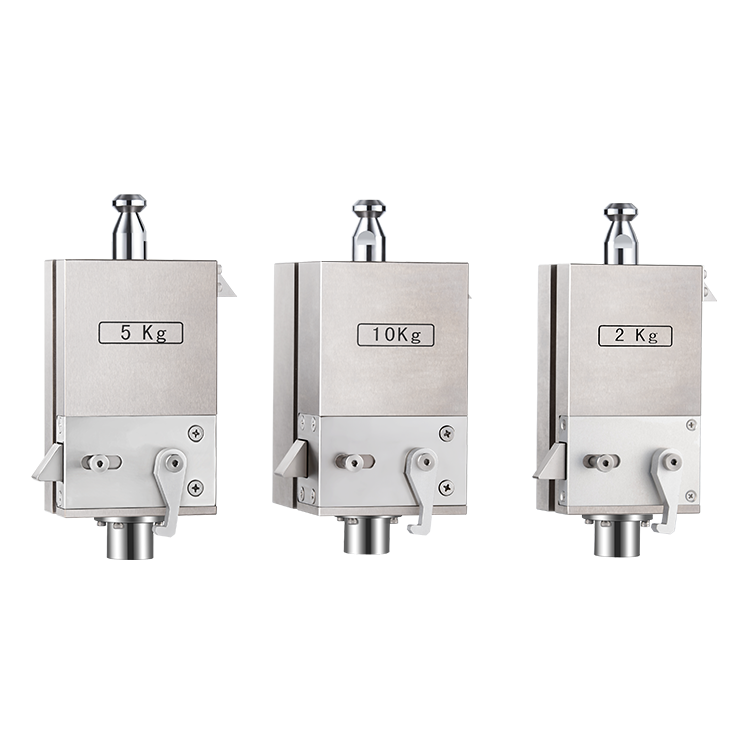
This instrument employs the drop hammer method to determine the impact sensitivity of energetic materials. A sample placed between a standard steel anvil and striker is subjected to controlled falling-weight impact. The system detects explosive reactions and calculates explosion probability or the characteristic drop height (H50) for quantitative assessment. This data is used to determine whether the substance is too dangerous to transport in the form tested and to establish safety protocols for production, storage, and shipment.
Impact Sensitivity, Characteristic Drop Height
Civil Explosives, Military Industry, Chemicals

Features

Specifications
Standards

Applications

Videos

Embedded processor with Windows CE operating system
8-inch LCD touchscreen for real-time display of test status
Wireless remote control for automatic hammer lifting and drop-weight positioning, effectively reducing labor intensity
Wireless remote control for automatic release of the drop weight, enabling long-distance operation
Automatic latching design for drop-weight positioning, simplifying operator handling
Unique anti-rebound mechanism to prevent drop-weight bounce-back, reducing safety risks during testing
Drop-weight impact head made from specially quenched steel, offering high strength and precision with Rockwell hardness up to HRC 60–63
Dedicated tooling configuration to ensure precise 2 mm positioning of the liquid impact device
Base plate fixed with concrete blocks and full-surface contact to ensure test stability
Equipped with a safety protection enclosure to effectively safeguard personnel
Flexible test selection; test parameters can be configured according to sample characteristics, allowing arbitrary adjustment of test sequences
Real-time display of operating parameters and status during testing; automatic analysis after completion, providing results and the minimum impact energy of the substance
Fully automated test process with support for parameter setup, data storage, and report review
Test Standards: UN Recommendations on the Transport of Dangerous Goods – Manual of Tests and Criteria 13.4.2 Test 3(a)(ii) (Federal Institute for Materials Research and Testing drop-weight apparatus); GB/T 21567-2008; GB/T 21848-2008; GB 5085.5; NY/T 1860.6-2010; EN 13631-4:2002
| Operating Environment | -5–45 °C, <95% RH |
| Drop Weights | 0.5 kg ±0.1%, 1 kg ±0.1%, 2 kg ±0.1%, 5 kg ±0.1%, 10 kg ±0.1% |
| Drop Height Range | 0–1000 mm |
| Positioning Accuracy | ±1 mm |
| Guide Rail Verticality | ≤0.1 mm/m |
| Hammer Concentricity | ≤0.15 mm |
| Flatness Deviation of Instrument Base | ≤0.012 mm |
| Impact Energy Range | 0.5–100 J |
| Anvil Dimensions (Ø × H) | 100 mm × 70 mm |
| Center Anvil Dimensions (Ø × H) | 26 mm × 26 mm |
| Impact Head Material | Quenched steel, Rockwell hardness 60–63 HRC |
| Steel Cylinder Material | Bearing steel, Rockwell hardness 58–65 HRC |
| Instrument Dimensions (L × W × H) | 650 mm × 450 mm × 1900 mm |
No information!
No information!
No information!
Ask us any general question you may have
Customer-centric, providing professionalservice.


