














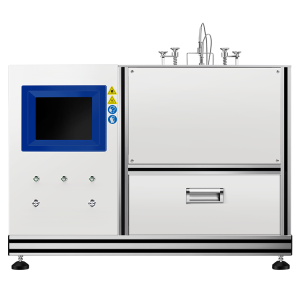






Exploring the Application Value of Battery Test Calorimeter in Battery Thermal Runaway Studies
Battery thermal runaway refers to a chain reaction phenomenon triggered by various abuse conditions. The massive heat and harmful gases released during a runaway can cause fire and explosion. As lithium-ion battery energy density surpasses 300 Wh/kg, battery thermal runaway has become the core risk restricting its large-scale application.
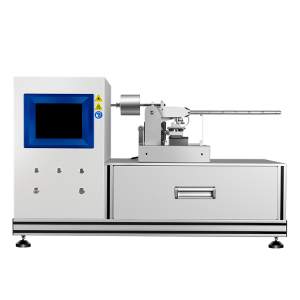
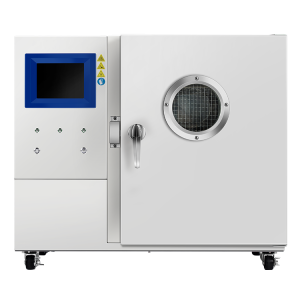
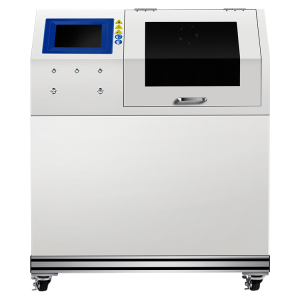
A sealed battery adiabatic calorimeter provides critical support for studying the mechanisms of battery thermal runaway, enabling optimisation of thermal safety and thermal management design.
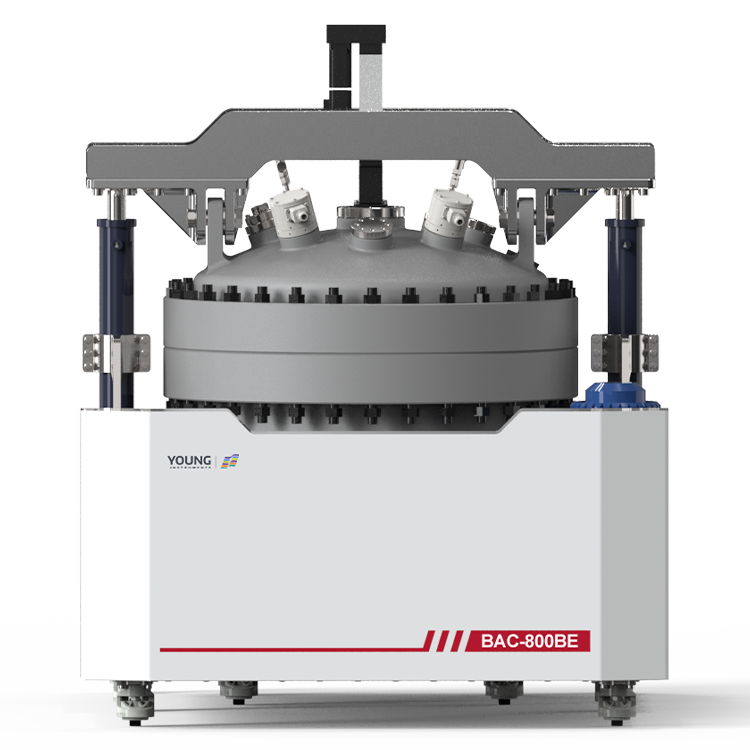
Key Features of the Battery Test Calorimeter
- Full-size design, powerful testing capability: Supports cell sizes up to 900 mm in length, with proven cases ranging from 26650 cells to 1000 Ah LFP batteries. Simultaneously records temperature and pressure data, overcoming limitations of vented adiabatic calorimeters.
- Modular design, economical and efficient: Beyond the basic adiabatic calorimeter module, optional functions include nail penetration, video monitoring, specific heat capacity testing, atmosphere simulation, and low-temperature cooling. Users can freely configure modules based on needs.
- Sealed design, enhanced safety: The sealed chamber complies with GB/150 pressure vessel standards, rated at 2 MPa, fully isolating hazards during thermal runaway.
- Multi-stage calibration, reliable data: Factory calibration plus baseline and secondary calibration ensure high accuracy of experimental results.
- Efficiency-oriented design: Auxiliary heating wires and optimised thermal control shorten experiment time, greatly improving efficiency.
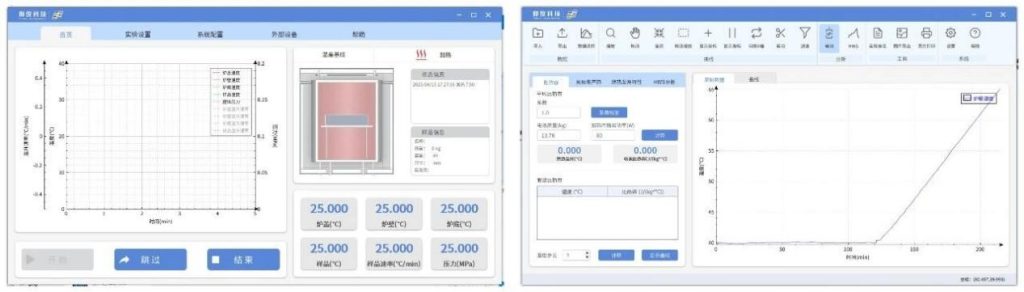
- User-friendly software: Full Chinese interface, intuitive layout, integrated module operations, simplified analysis, and one-click access to key data.
Trigger Methods and Testing Value of Battery Thermal Runaway
Adiabatic Thermal Runaway (HWS) Test
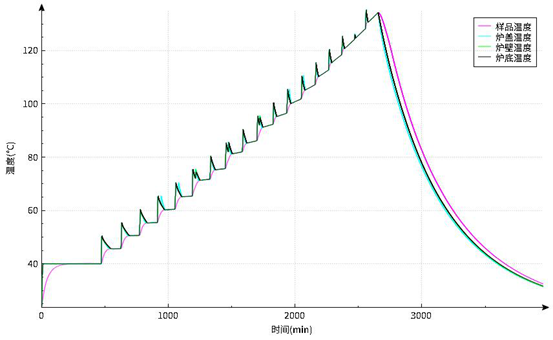
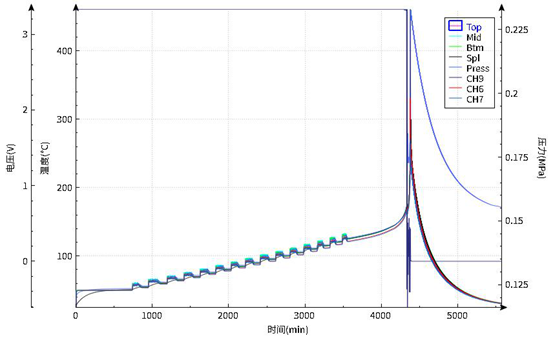
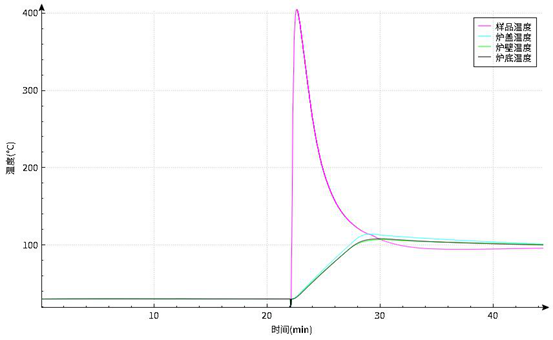
Using the classic HWS experimental mode, the battery sample is heated through stepwise temperature increases (heat–wait–search). Once the self-heating onset temperature (T1) is reached, adiabatic tracking is performed to obtain multiple thermal characteristic parameters, including the thermal runaway onset temperature (T2) and the maximum thermal runaway temperature (T3).
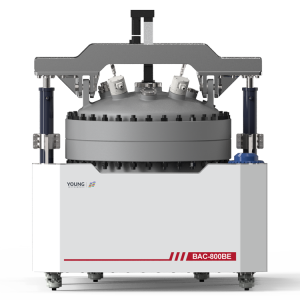
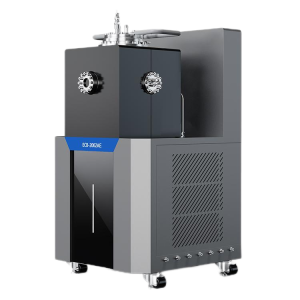
The BAC-800BE adopts a sealed design, enabling simultaneous pressure data acquisition during adiabatic thermal runaway experiments. This allows calculation of gas generation rate and total gas volume. It can also perform online or offline detection of gases released during the thermal runaway process, analysing their composition and combustion/explosion characteristics to support research on thermal runaway early warning or safety protection design.
The BAC-800BE, when paired with auxiliary modules, provides comprehensive monitoring of the thermal runaway process. With a multi-channel data recorder, it can synchronously record temperature distribution at different positions of the cell as well as battery voltage. A visible-light camera can detect phenomena such as cell swelling and venting. An infrared camera can comprehensively monitor the surface temperature distribution of the cell.
Overcharge Thermal Runaway Test
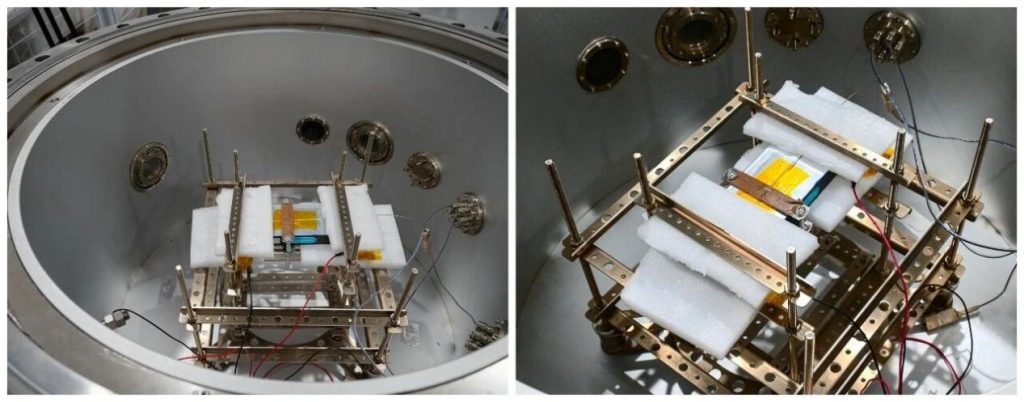
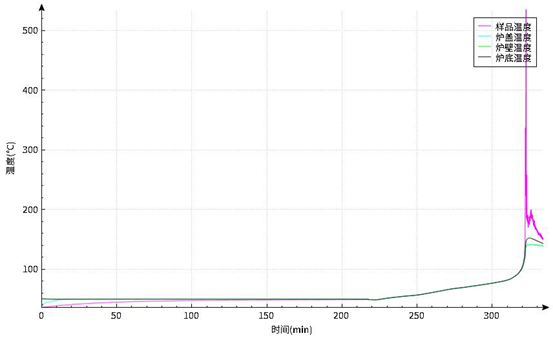
By connecting the battery to charging and discharging equipment through electrode posts on the furnace wall, the battery can be subjected to overcharging according to operating conditions. This test uses the heat generation mode of charging and discharging to conduct experiments, with adiabatic tracking of the battery’s temperature changes to obtain the characteristic parameters of thermal runaway under overcharge.
Similarly, this function can be combined with the instrument’s multi-parameter monitoring capabilities to study the gas generation process during thermal runaway.
Nail Penetration Thermal Runaway Test
Using the built-in nail penetration motor, cells are mechanically triggered into runaway. Multi-parameter monitoring records temperature, voltage, and gas release.
Specific Heat Capacity Test
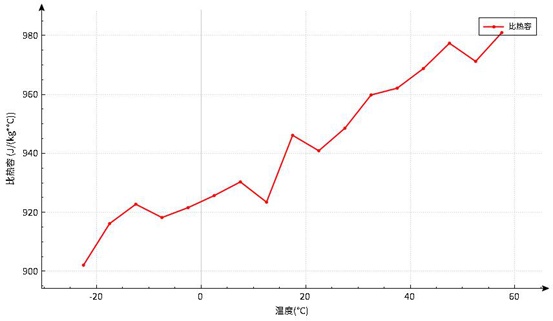
Based on differential adiabatic tracking, calibrated with standard blocks of known heat capacity. Results include average and variable specific heat capacity across temperature ranges, extendable down to –25 °C with low-temperature modules.
Charge/Discharge Heat Generation Test
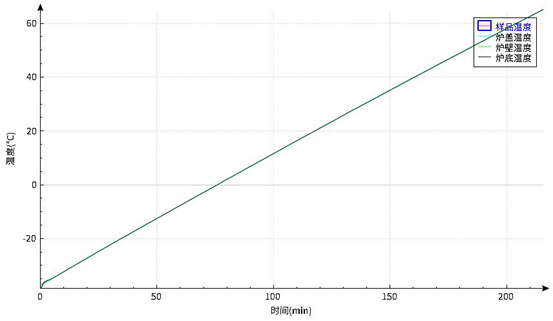
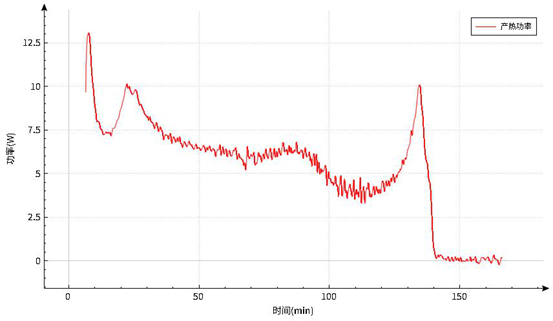
Based on the principle of adiabatic tracking, the heat generation and heat power of the battery during charging and discharging can be measured. Likewise, with the instrument’s low-temperature module, specific heat capacity testing can be extended down to –25 °C. By combining contact or non-contact temperature monitoring functions, the surface temperature distribution of the cell during heat generation in charge–discharge processes can be studied.
Adiabatic Temperature Rise Test
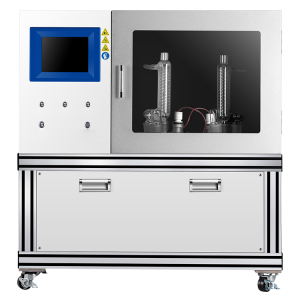
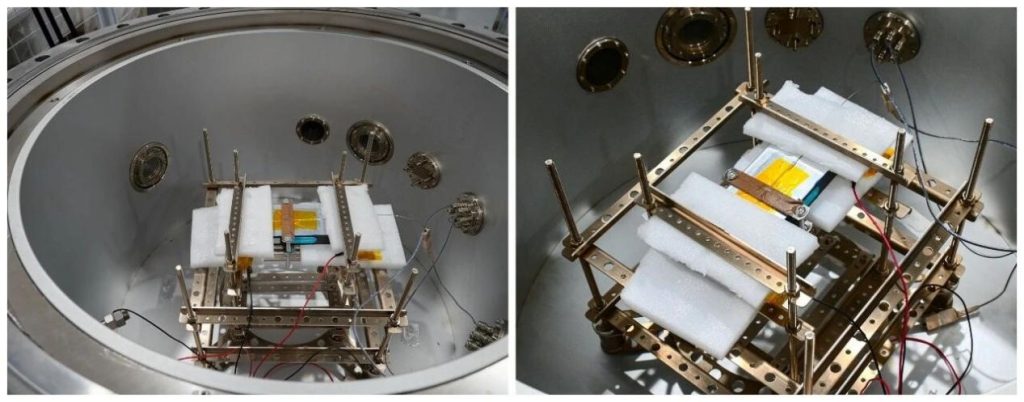
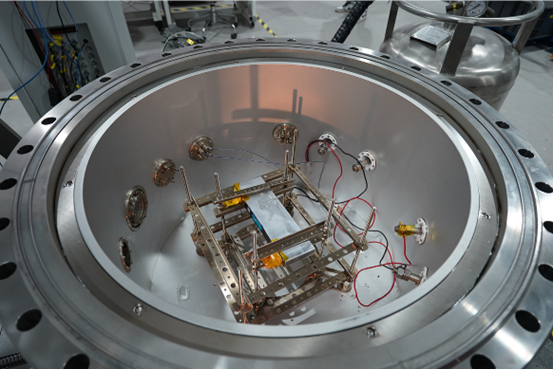
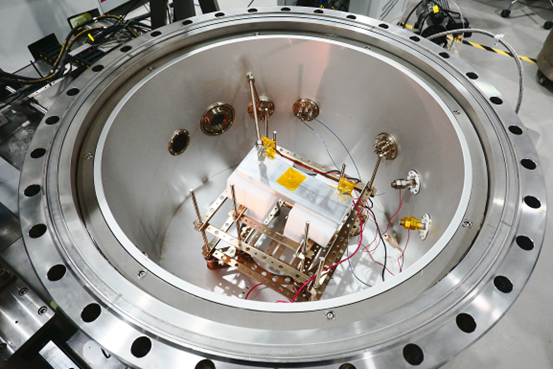
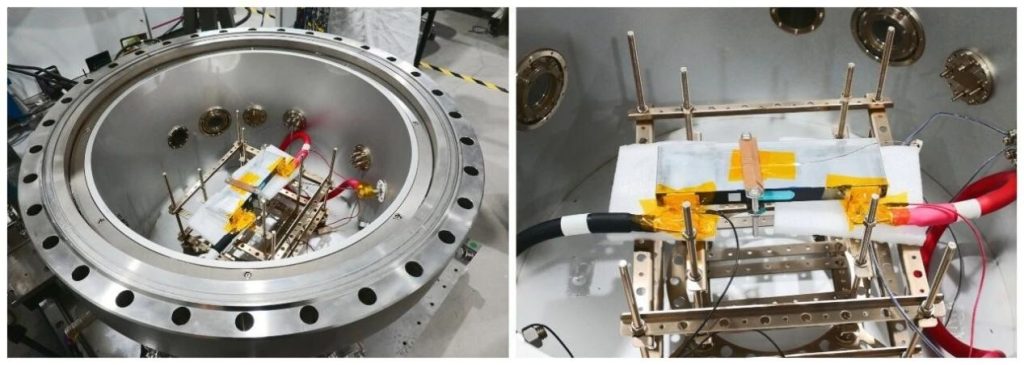
This function complies with the adiabatic temperature rise test requirements specified in GB/T 36276‑2023 Lithium‑ion Batteries for Power Storage. The sample loading method is shown in Figure 3. At the same time, this function can be paired with a visible‑light camera to detect whether the cell undergoes swelling, cracking, venting, or ignition during the experiment.