





















Battery Calorimeter Thermal Runaway Test for Multi-Scale Energy Storage Cells
As the energy storage industry scales rapidly, battery thermal runaway has become one of the biggest barriers to safe deployment. Fire and explosion risks triggered by uncontrolled heat release highlight the need for precise thermal data.
However, traditional calorimetric equipment often falls short in sensitivity, thermal inertia control, and sample size flexibility. These limitations make it difficult to evaluate safety performance across the full chain—from materials to full battery modules.
A battery calorimeter thermal runaway test, based on advanced accelerating rate calorimetry principles, provides a true adiabatic environment where heat accumulation can be accurately tracked. This enables precise measurement of exothermic reactions and delivers critical data for thermal safety design in energy storage systems.
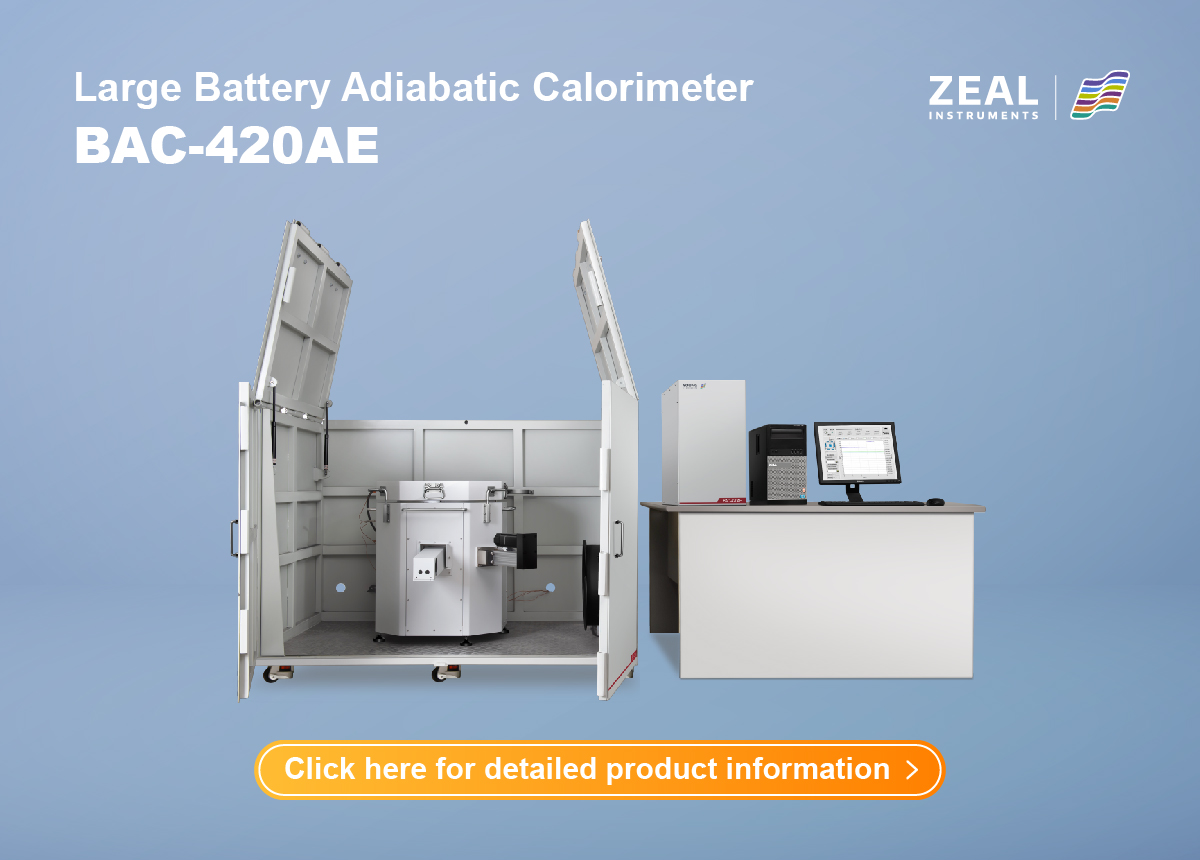
What Is a Battery Accelerating Calorimeter?
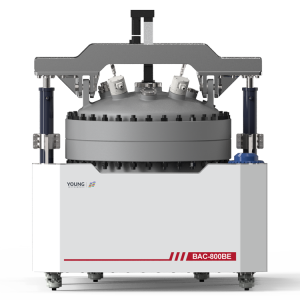
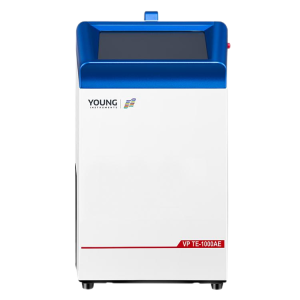
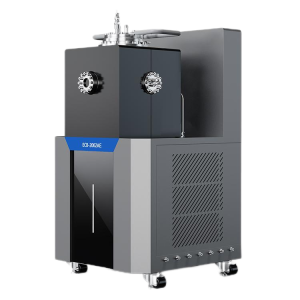
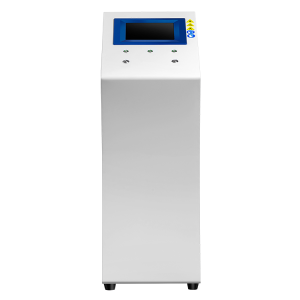
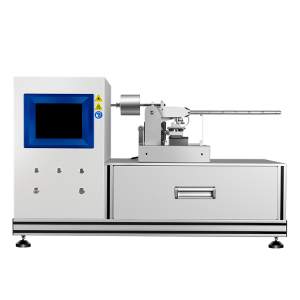
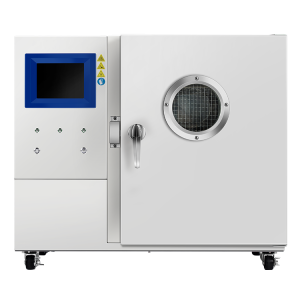
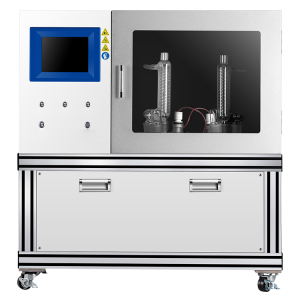
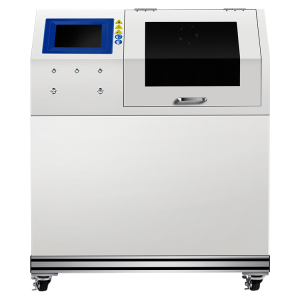
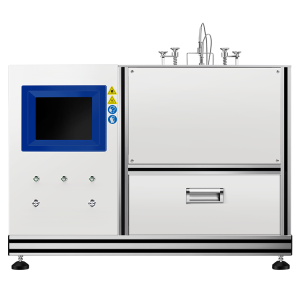
A BAC (Battery Accelerating Calorimeter) is an advanced form of ARC (Accelerating Rate Calorimeter) specifically adapted for battery safety testing.
It simulates a near-perfect adiabatic condition, allowing researchers to observe how batteries behave when heat cannot dissipate. Compared to conventional calorimeters, BAC systems offer:
- High sensitivity to early self-heating reactions
- Low thermal inertia for accurate response tracking
- Flexible chamber sizes for different battery formats
- Integration with multi-functional testing modules
In addition to thermal runaway testing, modern BAC systems can also support:
- Heat generation during charge and discharge
- Gas evolution analysis
- Specific heat capacity (Cp) measurement
Our BAC series is engineered to meet the growing demand for larger and higher-energy-density cells. With reinforced chamber structures and improved sealing, the system ensures both explosion resistance and measurement accuracy, even for large-format batteries.
Key Parameters in Battery Calorimeter Thermal Runaway Testing
A battery calorimeter thermal runaway test generates critical thermodynamic and kinetic data that define the safety boundaries of a battery system.
| Tonset | Onset temperature of self-heating | Early warning threshold |
| TTR | Thermal runaway temperature | Safety boundary definition |
| Tmax | Maximum temperature reached | Material tolerance evaluation |
| dT/dt | Temperature rise rate | Severity of runaway reaction |
| ΔT | Adiabatic temperature rise | Total heat release estimation |
These parameters are essential for thermal modeling, hazard analysis, and safety validation.
Four Core Testing Capabilities
1. Adiabatic Thermal Runaway Test
Simulates extreme failure scenarios such as overcharge or internal short circuits.
By eliminating heat loss, the system captures the true chain reaction of thermal runaway.
2. Specific Heat Capacity (Cp) Measurement
Determines how temperature changes translate into heat generation.
Cp is a fundamental parameter required before conducting accurate thermal power calculations.
3. Adiabatic Temperature Rise Analysis
Evaluates how much the temperature increases when no cooling is available.
This provides direct input for thermal management system (TMS) design.
4. Gas Generation and Multi-Factor Analysis
Includes:
- Temperature tracking during runaway
- Gas release rate monitoring
- Total gas volume measurement
- Gas composition analysis
Gas generation is a key factor in explosion risk and venting system design.
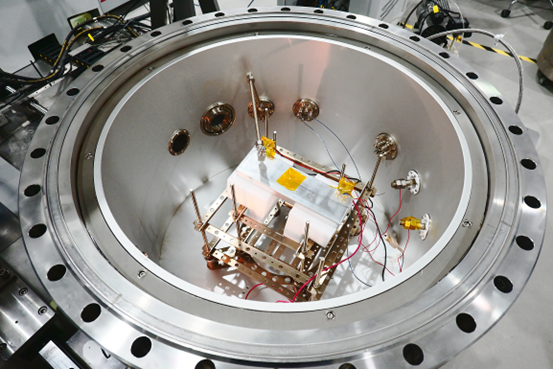
Two Technical Routes: Venting vs Sealed Calorimeter Design
To meet different testing objectives, BAC systems are typically available in two configurations:
Venting Type: Dual Safety Protection
- Combines an adiabatic chamber, explosion-proof enclosure, and control system
- Equipped with rupture disks and pressure-release mechanisms
- Mechanical interlocks ensure operator safety
Best suited for high-frequency testing and R&D environments.
Sealed Type: High-Pressure Integrated System
- Withstands pressures up to 2 MPa
- Fully integrated design for simultaneous gas collection and analysis
- Eliminates external piping heat loss and leakage risks
Ideal for accurate gas analysis and energy storage safety research.
Applications Across the Battery Value Chain
Battery calorimeter thermal runaway testing supports safety evaluation at every stage:
- Material Level
Thermal stability and reaction kinetics of electrodes and electrolytes - Cell Level
Thermal runaway characterization of cylindrical, prismatic, and blade cells - System Level
Module propagation testing, gas hazard evaluation, and venting design validation
Conclusion
As battery energy density and cell size continue to increase, battery calorimeter thermal runaway testing has become a critical tool for safety engineering.
From fundamental thermodynamic data to multi-physics analysis, advanced BAC systems provide a complete solution for:
- Thermal runaway characterization
- Gas evolution analysis
- Safety boundary definition
Whether for material research or full system validation, BAC enables reliable, high-precision insights that are essential for next-generation energy storage safety design.


