





















Comprehensive Guide to DSC Pharmaceutical Analysis in Drug Development and Quality Control
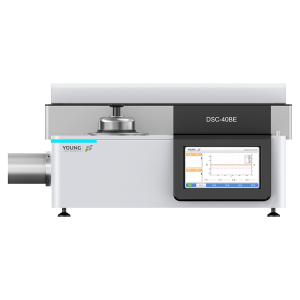
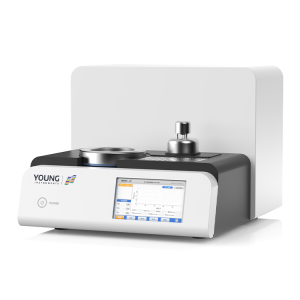
DSC pharmaceutical analysis (Differential Scanning Calorimetry in pharmaceutical applications) is a fundamental technique in thermal analysis. In pharmaceutical research and development, DSC measures the heat flow difference between a sample and a reference under programmed temperature control. This allows precise characterization of the thermodynamic properties of active pharmaceutical ingredients (APIs) and formulations, providing critical data for pre-formulation studies and quality control. This article systematically introduces the core functions and application scenarios of DSC in drug development.
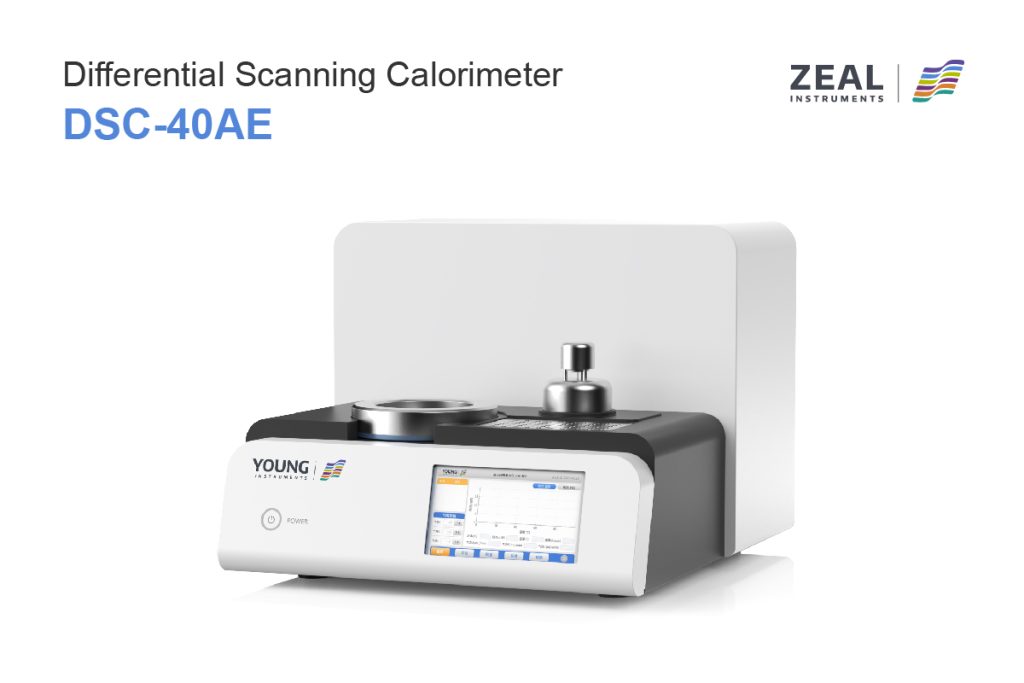
Principle of DSC Pharmaceutical Analysis
Under programmed heating or cooling, both the sample and reference are subjected to the same rate of temperature change. When the sample undergoes a phase transition or thermal event, it absorbs or releases heat, creating a temperature difference relative to the reference. This difference is detected by thermocouples or resistance sensors and converted into a heat flow signal. By analyzing changes in this signal, the thermodynamic properties of the sample can be determined. This forms the physical basis of DSC pharmaceutical analysis.
Applications of DSC Pharmaceutical Analysis in Pharmaceuticals
DSC is widely applied across polymers, rubber, textiles, food, pharmaceuticals, and cosmetics. In the pharmaceutical field, DSC pharmaceutical analysis can be used for:
- Screening of API polymorphs and salt forms
- Evaluation of solid dispersion physical stability
- Pre-screening of drug–excipient compatibility
- Thermal stability studies of biologics (monoclonal antibodies, vaccines)
- Optimization of lyophilization process parameters
- Thermal performance testing of pharmaceutical packaging materials
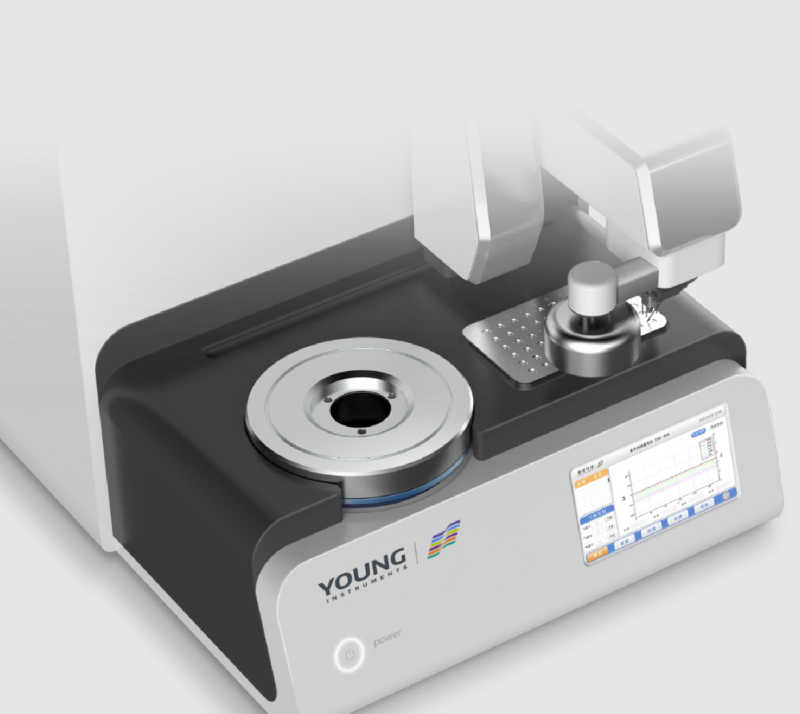
Key Functions of DSC Pharmaceutical Analysis
Melting Behavior and Polymorph Identification
When crystalline APIs or excipients reach their thermodynamic melting point during heating, lattice disruption requires absorption of latent heat (enthalpy of fusion, ΔH). On the DSC curve, this appears as a sharp endothermic peak.
- Polymorphic fingerprinting: Different polymorphs (Form I/II, hydrates, solvates) exhibit characteristic combinations of Tm and ΔH, serving as thermodynamic fingerprints. DSC pharmaceutical analysis is a standard method for rapid polymorph identification.
- Purity indication: High-purity APIs show narrow, symmetric melting peaks. Impurities cause melting point depression, peak broadening, or splitting, consistent with van’t Hoff predictions.
- Process relevance: Melting behavior directly informs process windows for hot-melt extrusion or spray drying. Operating temperatures must remain below the melting point to avoid degradation, or melting–recrystallization can be exploited for controlled polymorphic transformation.
Glass Transition Temperature (Tg) Measurement
Amorphous materials (e.g., APIs in solid dispersions or polymer carriers) exist in a thermodynamic non-equilibrium state. As the temperature crosses Tg, the material transitions from a rigid glassy state to a rubbery state, with molecular segments gaining mobility.
- Amorphous confirmation: Crystalline APIs show melting peaks; successful amorphization eliminates these peaks and introduces a Tg step shift.
- Stability prediction: The difference between storage temperature and Tg determines molecular mobility. If storage temperature approaches Tg, recrystallization or phase separation may occur, reducing drug dissolution.
- Plasticizer effect: Residual solvents or excipients may lower Tg. DSC quantifies this effect, guiding drying endpoints and excipient selection.
Thermal Safety Evaluation
When temperature exceeds chemical bond thresholds, APIs or formulations undergo decomposition, oxidation, or polymerization.
- Exothermic decomposition: Most organic drugs release heat, shown as broad exothermic peaks.
- Endothermic decomposition: Some salts release water or CO₂, producing endothermic shifts.
- Critical parameter: The onset temperature (Tonset) marks deviation from baseline and indicates thermal runaway risk.
Applications include:
- Process safety margins: Drying, extrusion, or sterilization temperatures must remain well below Tonset.
- Excipient compatibility: DSC scans of API–excipient mixtures reveal shifts in Tonset or enthalpy, signaling incompatibility.
- Accelerated testing correlation: DSC provides rapid pre-formulation screening, reducing reliance on long-term HPLC stability studies.
Purity Quantification
Based on melting point depression (van’t Hoff principle), impurities lower the melting points and broaden peaks.
- Rapid screening: Useful for raw material inspection or intermediate monitoring.
- Complementary tool: Supports chromatographic methods when unavailable or for quick assessments.
- Limitations: DSC purity analysis is indicative only; impurity types and levels require chromatographic confirmation.
Conclusion
DSC pharmaceutical analysis is indispensable in pharmaceutical R&D, from early formulation development to commercial quality control. Whether for regulatory submissions or batch stability monitoring, selecting a reliable DSC instrument and establishing standardized DSC pharmaceutical analysis methods are critical to ensuring drug quality.


