















Determination of Calorific Value for Coal Samples with Varying Coal Quality Attributes
The calorific value (heating value) of coal refers to the amount of heat released per unit mass when the coal is completely combusted. It serves as the primary benchmark for pricing in coal trade and is a fundamental parameter for the design of all coal-fired equipment and processes. Using reasonable testing methods with high-precision instruments to obtain more accurate calorific value results is crucial for evaluating coal quality.
Differences in coal quality attributes directly affect the determination of calorific value. A lower fixed carbon content generally results in a lower calorific value and may lead to deteriorated testing repeatability. An increase in ash content (incombustible minerals) can cause incomplete combustion, leading to lower measured results. High volatile matter content (pyrolysis gas products) may cause rapid ignition or splattering of the coal sample, thereby affecting the test outcome. Therefore, testing methods must be optimized for different coal types to avoid errors.
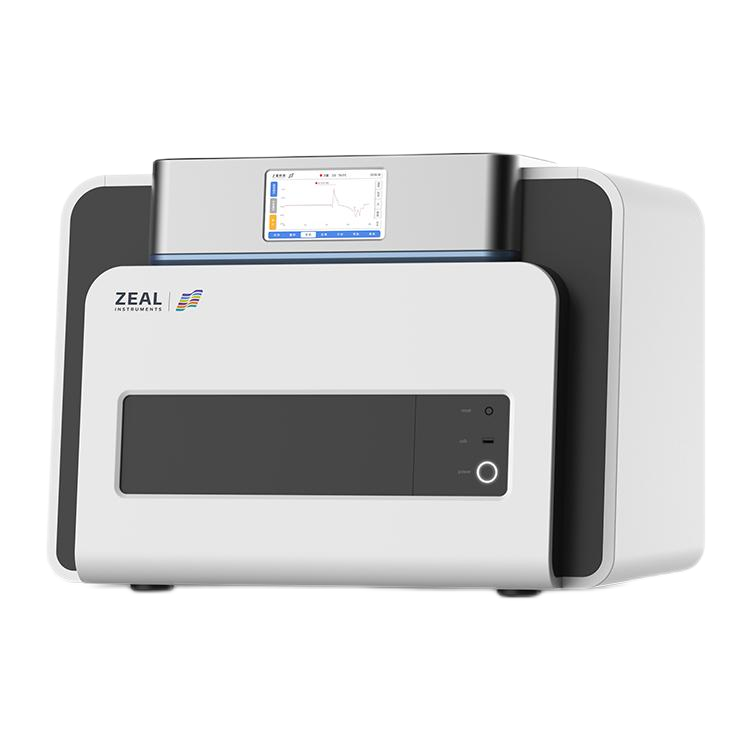
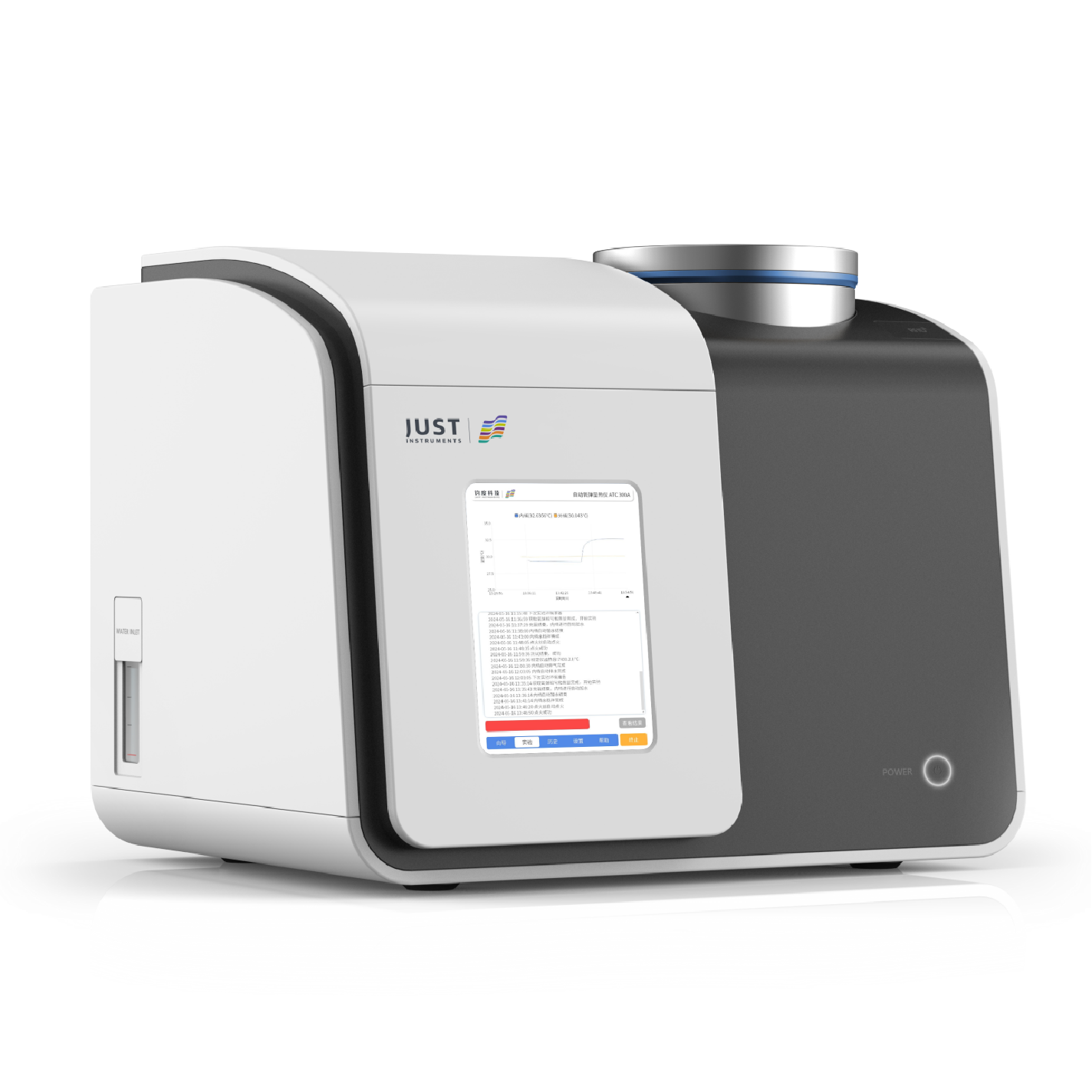
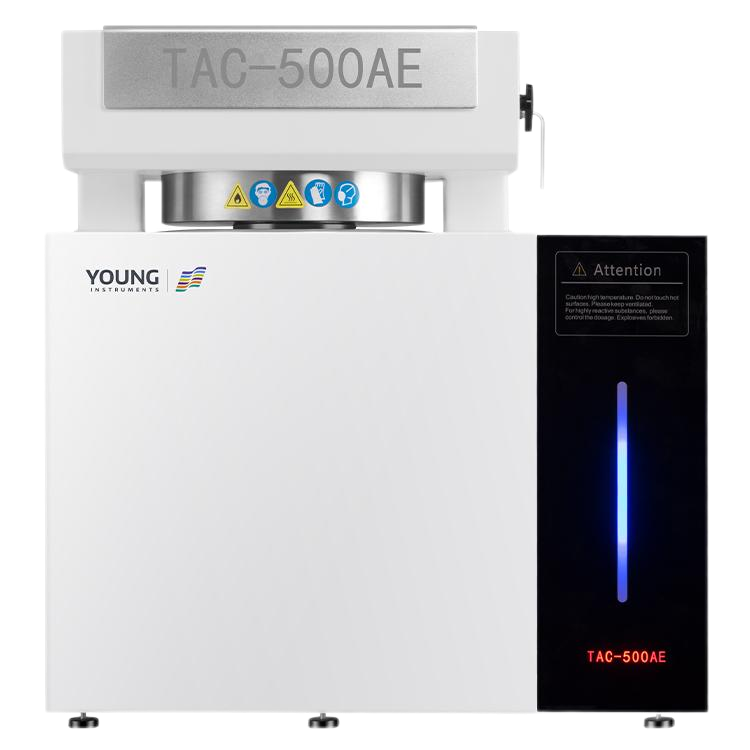
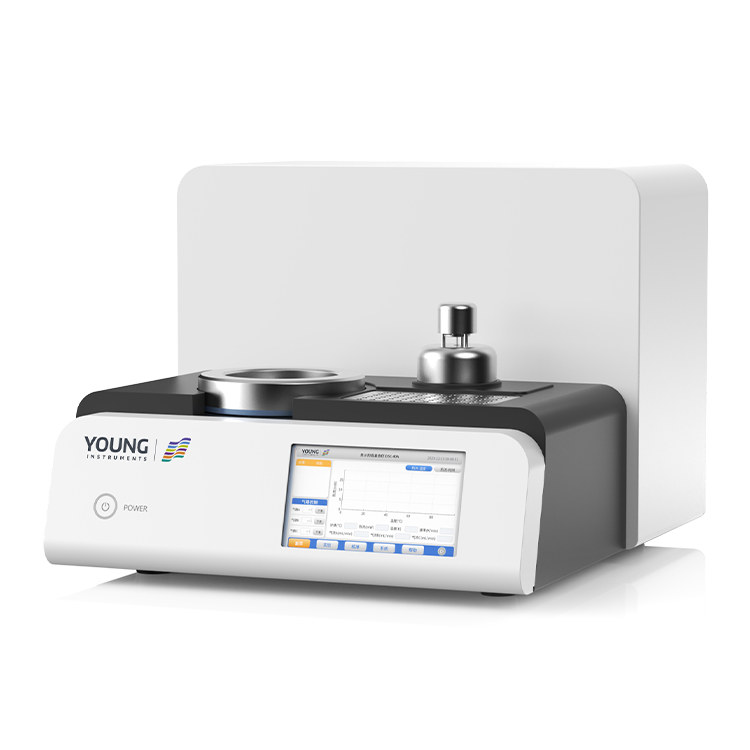
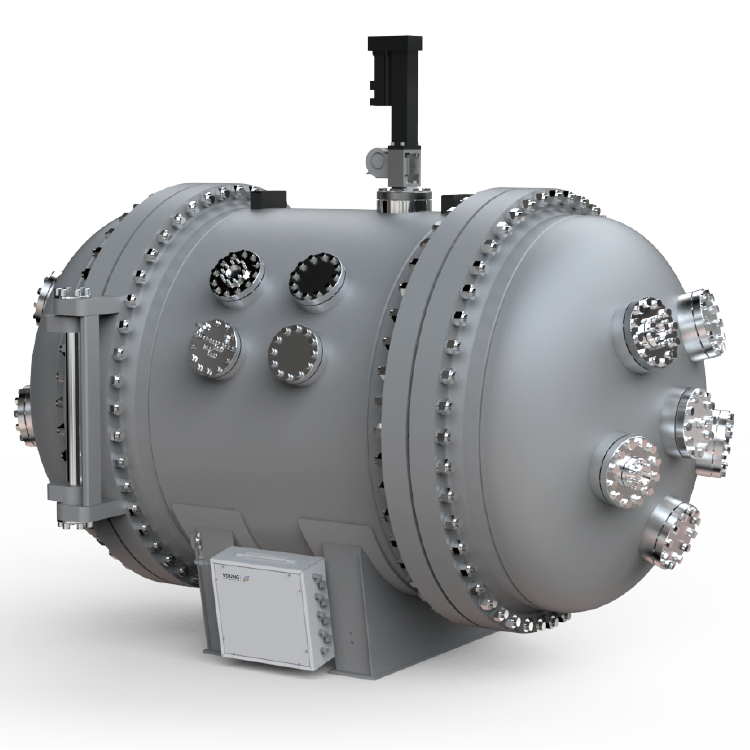
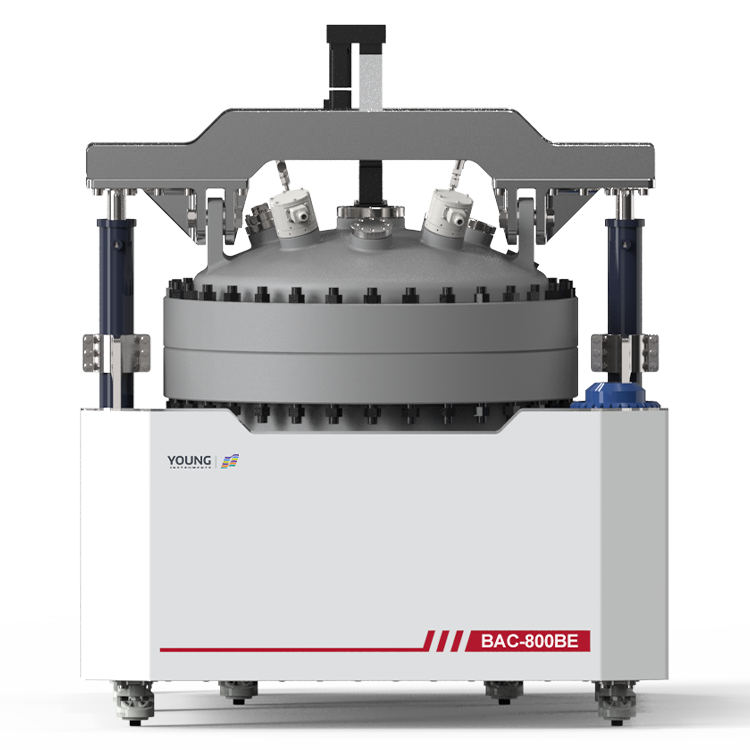
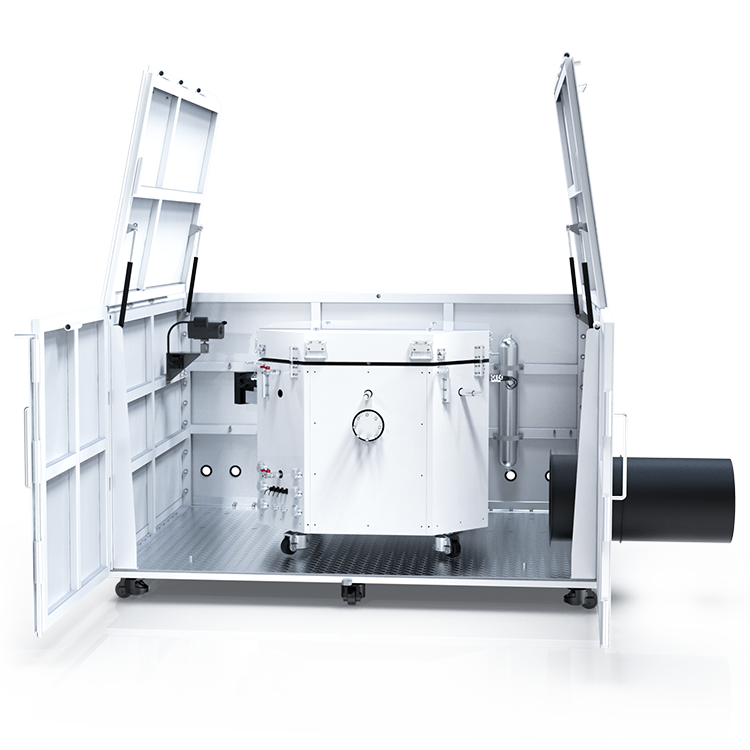
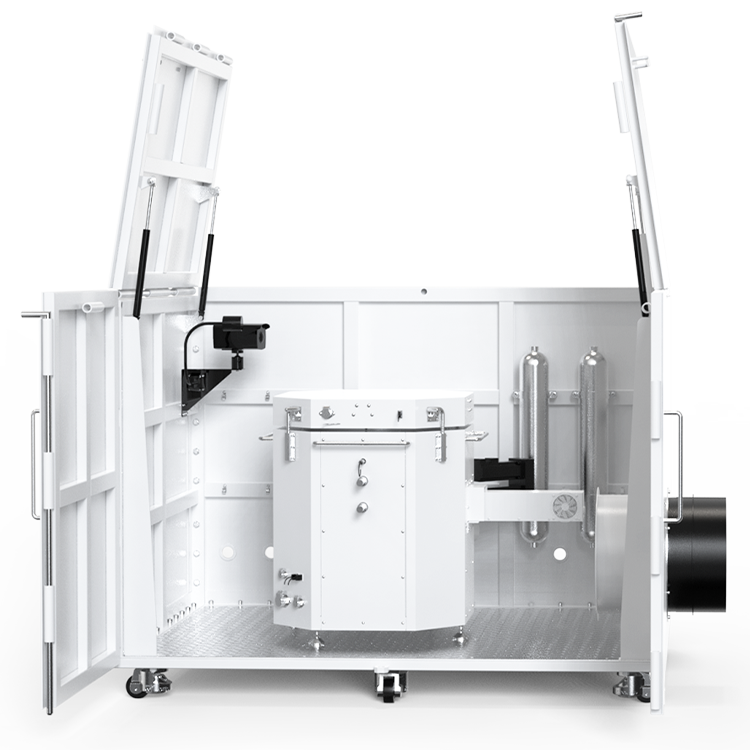
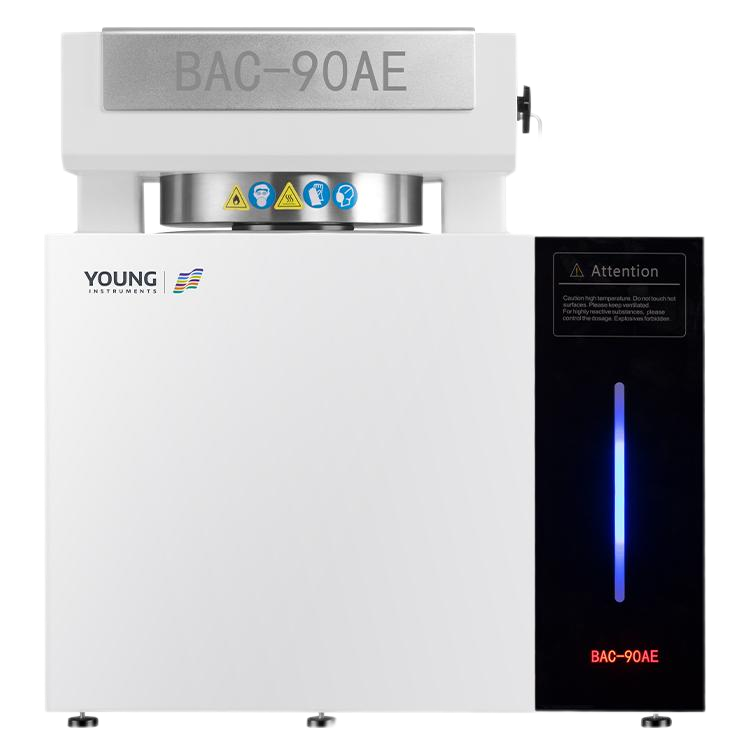
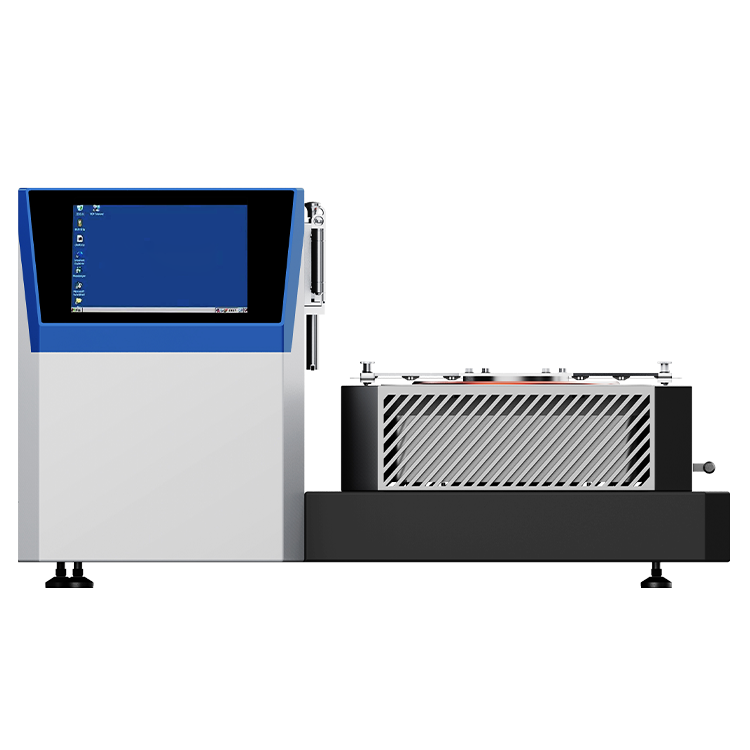
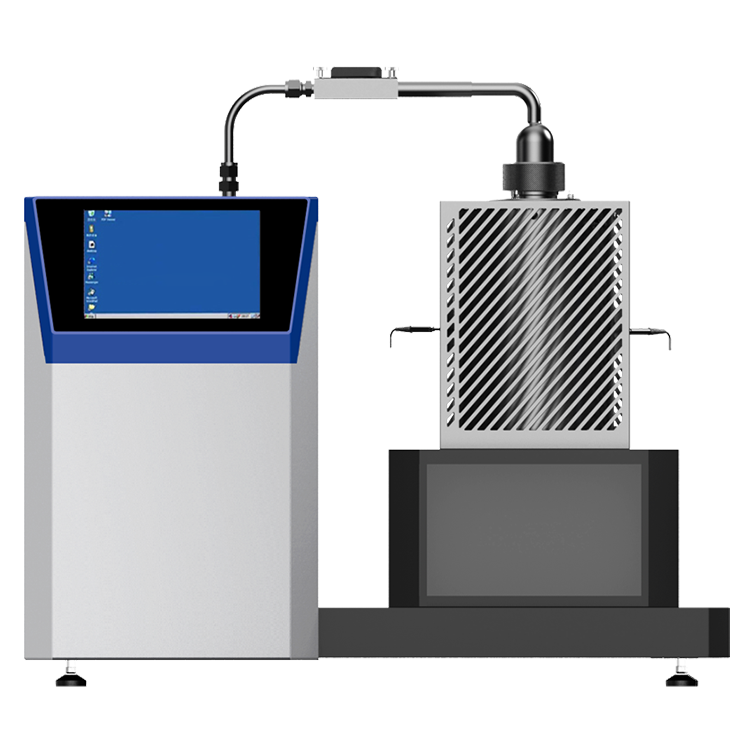
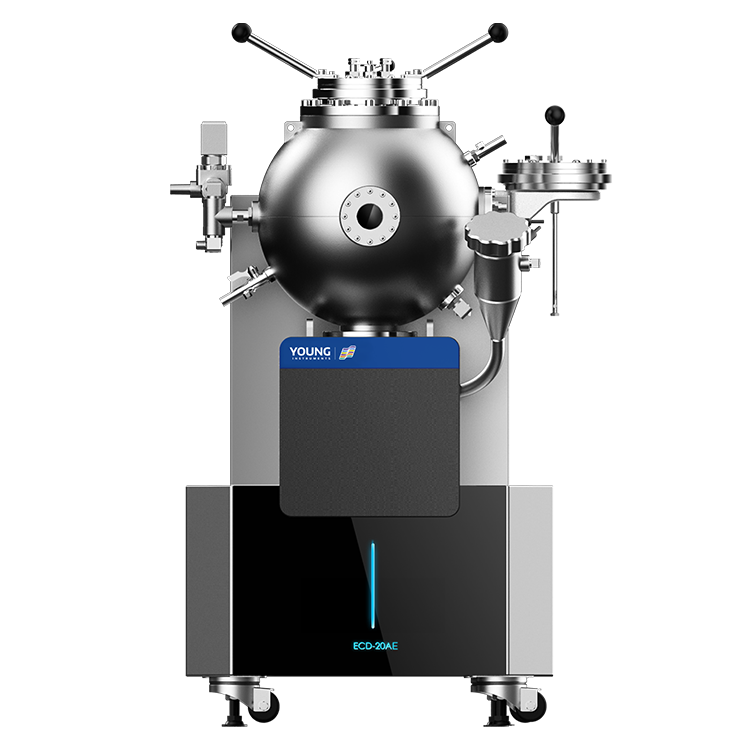
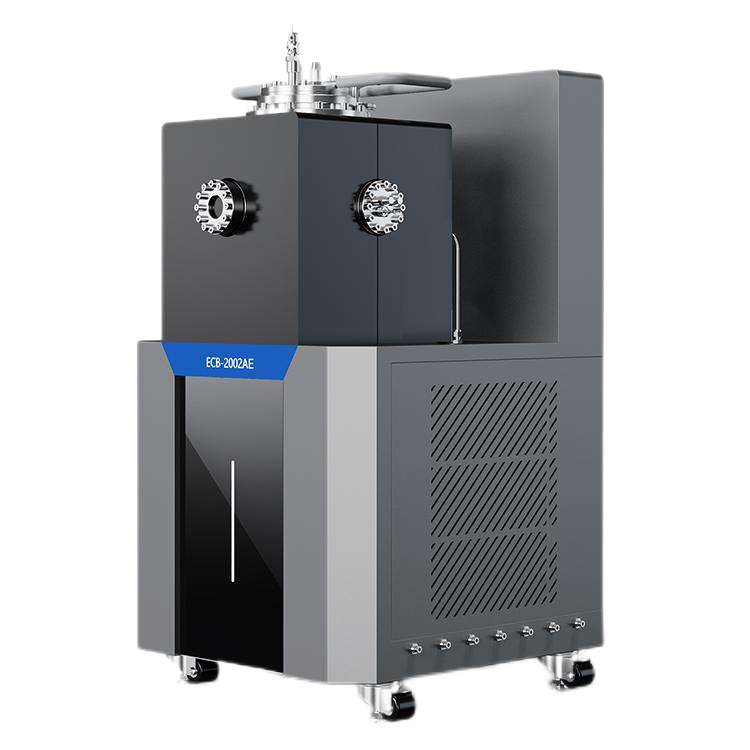
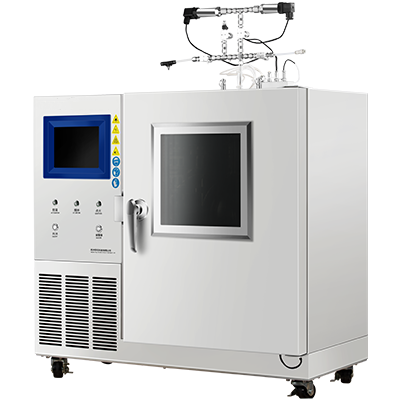
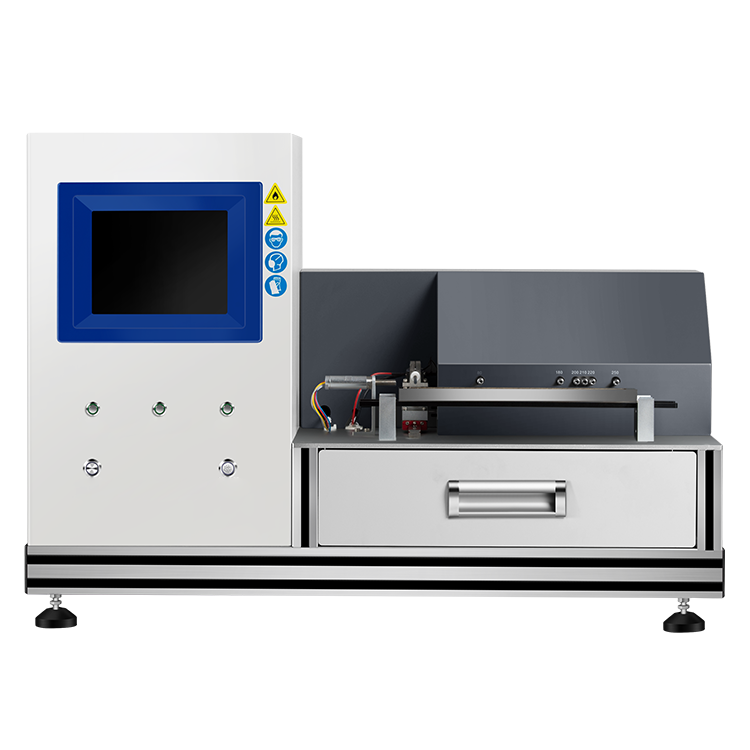
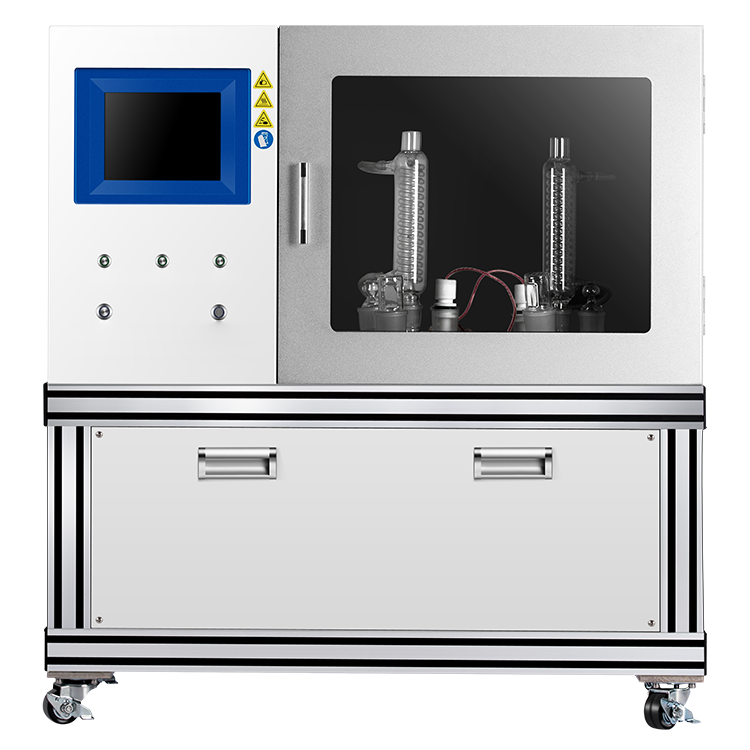
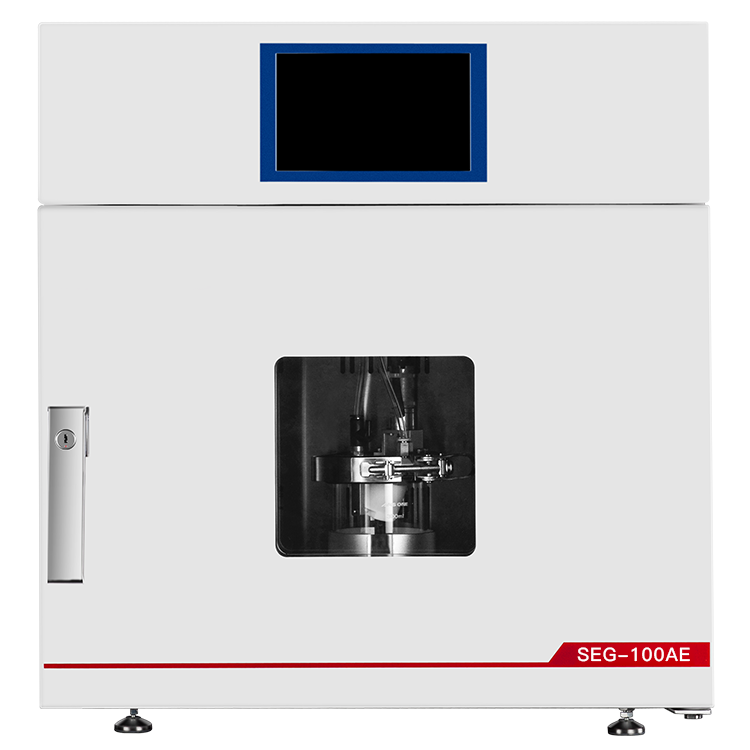
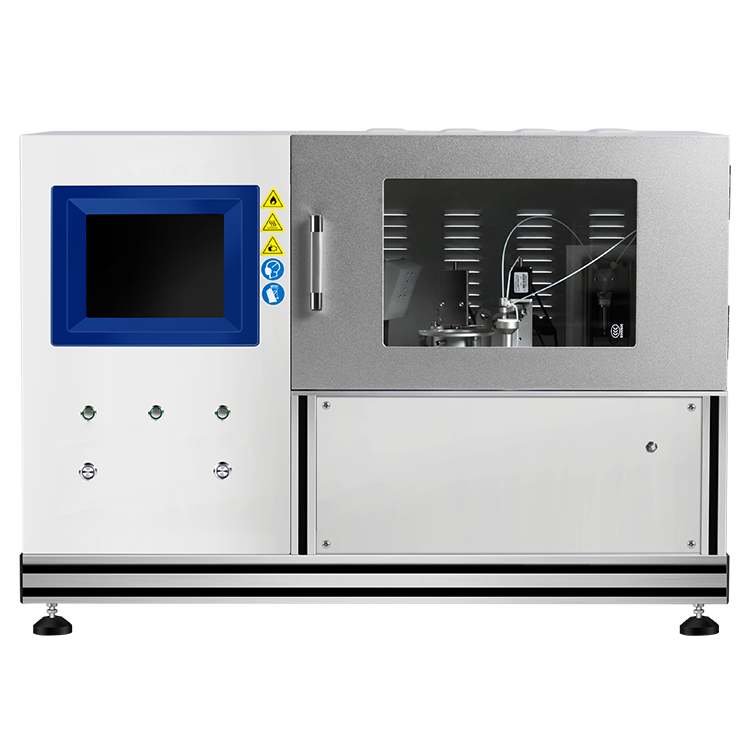
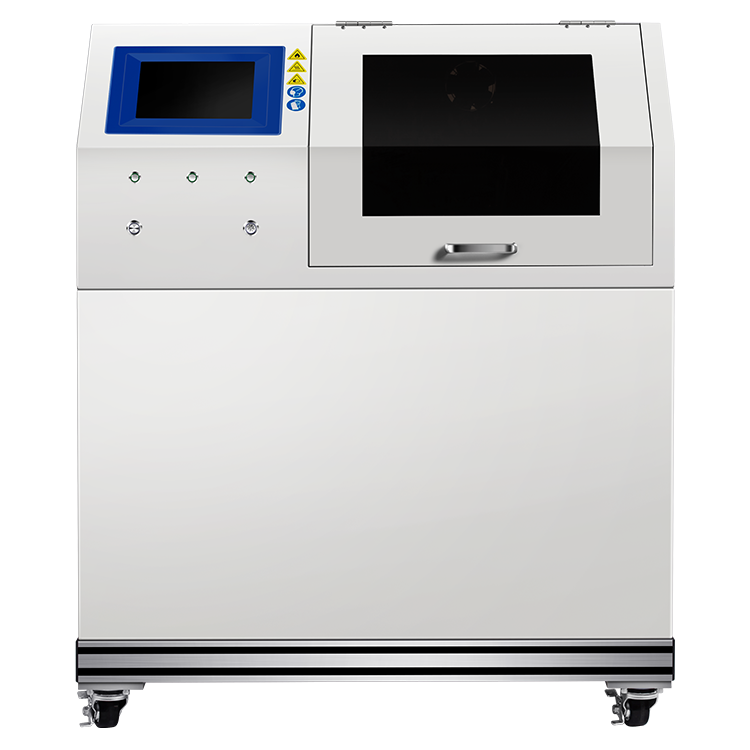
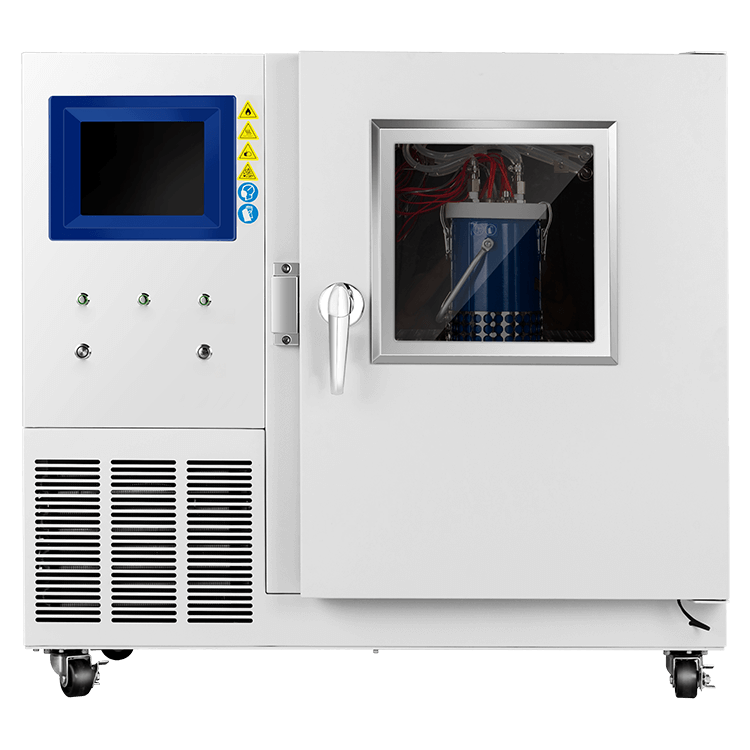
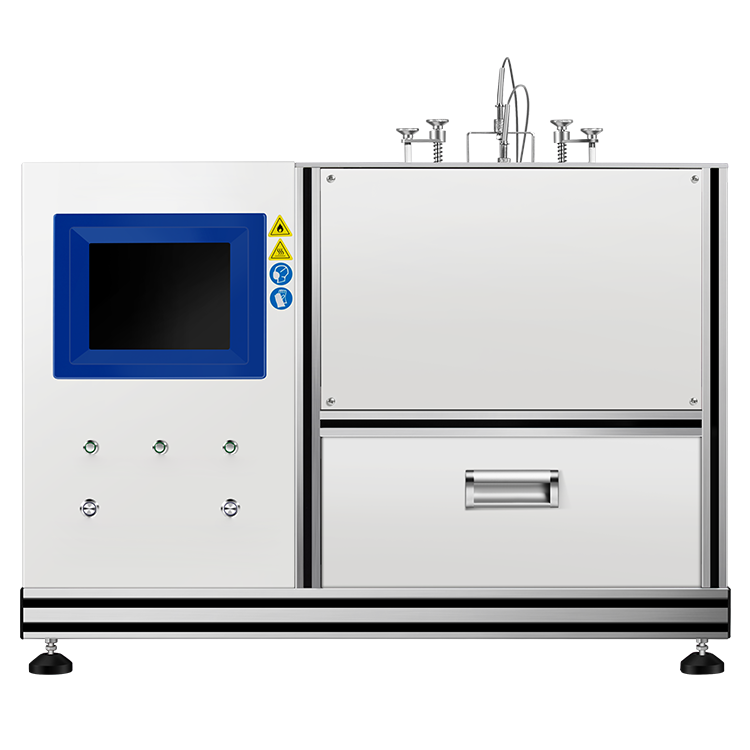
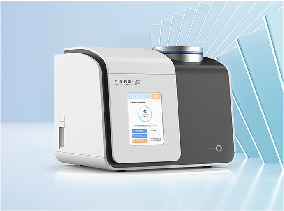
This study utilized an ATC 300AE Oxygen Bomb Calorimeter to compare the effects of different sample loading methods on the calorific value determination of coal samples. By applying appropriate testing methods, the calorific values of coal samples with significantly differing quality attributes were accurately measured. The test results demonstrate that for standard coal samples with varying fixed carbon, ash, and volatile matter content, the calorific value determinations showed excellent repeatability, with a relative standard deviation (RSD) not exceeding 0.2% and an accuracy of less than 100 J/g.
Experimental Conditions
Instrument: ATC 300AE Oxygen Bomb Calorimeter
Testing Standard: GB/T 213-2008
Ambient Temperature: 25.3 ~ 26.6 ℃
Samples: GSB National Standard Coal Samples
Testing Procedure
Power on the ATC 300AE Oxygen Bomb Calorimeter.
Weigh an appropriate amount of sample and combustion aid. After being pelletized and/or wrapped in lens cleaning paper, place the sample into the crucible.
Connect the ignition wire to the sample using a cotton thread and secure it.
Assemble the oxygen bomb, set the experimental parameters, and enter details such as the sample mass.
Initiate the test. The instrument will automatically commence the measurement once the pre-test conditions are met.
Upon completion of the test, disassemble the oxygen bomb and clean it.
Repeat the test and record all data.
Experimental Results
This experiment involved five standard coal samples characterized by differing calorific value, ash, and volatile matter content. During the testing period, the moisture content on an air-dried basis (Mad) of each sample was measured in accordance with the method specified in GB/T 212. The sample information is presented in Table 1.
| No. | ZBM091 | ZBM102A | ZBM110A | ZBM111A | ZBM121A |
| Fixed Carbon (%) | 79.7 | 62.3 | 18.43 | 74.16 | 75.34 |
| Ash Content (%) | 10.8 | 28.18 | 74.63 | 9.72 | 11.06 |
| Volatile Matter Content (%) | 10.75 | 13.07 | 9.65 | 33.64 | 23.77 |
| Total Sulfur Content (%) | 1.93 | 1.53 | 1.98 | 0.81 | 0.50 |
| Coke Residue Characteristics | 2 | 2 | 3 | 5 | 3 |
| Gross Calorific Value (J/g), on Dry Basis | 31030 | 24320 | 7540 | 29500 | 29700 |
| Mad(%) | 1.314 | 1.383 | 0.851 | 1.986 | 2.721 |
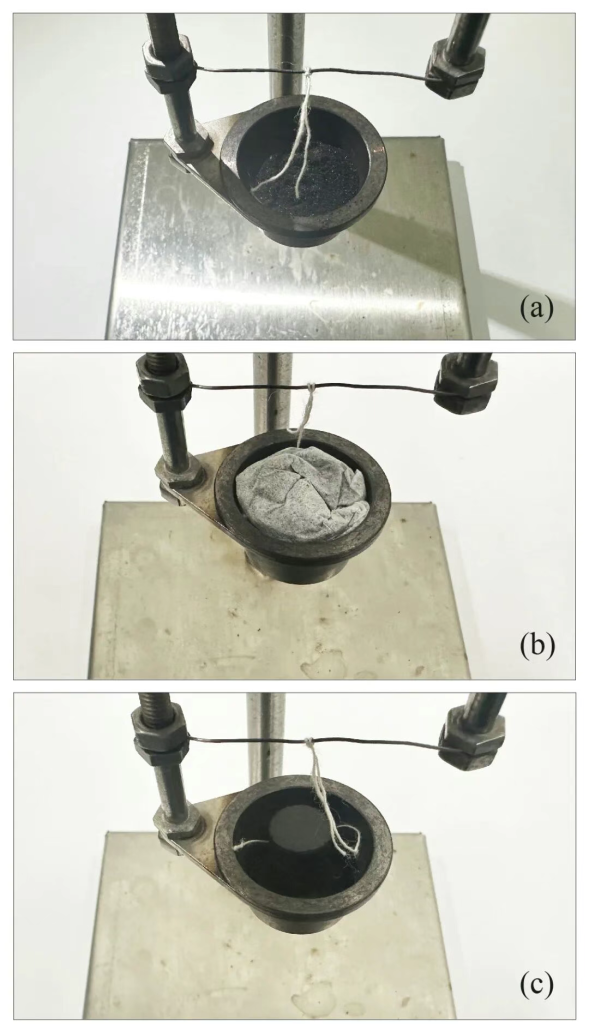
The calorific value test results for the five standard coal samples with varying properties are summarized in Table 2. The results have been corrected for the heat contribution of the lens cleaning paper and benzoic acid.
| No. | ZBM091 | ZBM102A | ZBM110A | ZBM111A | ZBM121A |
| Sample Mass (g) | 0.8468 0.8701 0.8614 | 0.9892 0.9870 0.9884 | 0.8835 0.8837 0.8987 | 0.7929 0.8625 0.8625 | 1.7016 1.7392 1.7479 |
| Gross Calorific Value (J/g), on Air-Dried Basis | 30688.1 30626.4 30668.0 | 24009.3 23955.9 23968.5 | 28829.0 28815.4 28867.0 | 28888.1 28886.9 28920.8 | 7456.7 7444.5 7432.8 |
| Gross Calorific Value (J/g), on Dry Basis | 31096.7 31034.2 31076.3 | 24346.0 24291.9 24304.6 | 29635.4 29621.4 29674.4 | 29473.4 29472.2 29506.8 | 7520.7 7508.4 7496.6 |
| Mean Gross Calorific Value (J/g), on Dry Basis | 31069.1 | 24314.2 | 29643.7 | 29484.1 | 7508.6 |
| RSD(%) | 0.10 | 0.12 | 0.09 | 0.07 | 0.16 |
| Accuracy (J/g) (Deviation from Certified Value) | 39.1 | 5.8 | 56.3 | 15.9 | 31.4 |
| Range (J/g) | 62.5 | 54.1 | 53.0 | 34.6 | 24.2 |
The test results indicate that, after applying appropriate testing methods, the calorific value determinations for standard coal samples with varying fixed carbon, ash, and volatile matter content exhibited excellent repeatability. The Relative Standard Deviation (RSD) was not exceeding 0.16%, the accuracy (deviation from the certified value) was within 60 J/g, and the range was less than 70 J/g.
Conclusion
This study determined the calorific value of coal samples with diverse quality attributes using an ATC 300AE Oxygen Bomb Calorimeter. It systematically investigated the key influencing factors during the testing process and provided corresponding recommendations for sample preparation methods. The approach effectively enhanced the accuracy and repeatability of the calorific value measurements, offering a reliable methodology for minimizing measurement errors.


