





















Minimum Ignition Energy Testing Method for Dust Ignition and Risk Classification
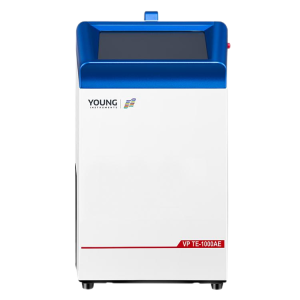
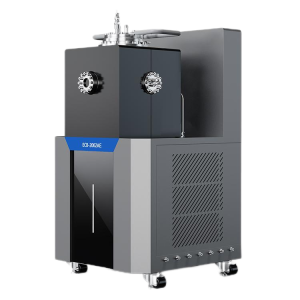
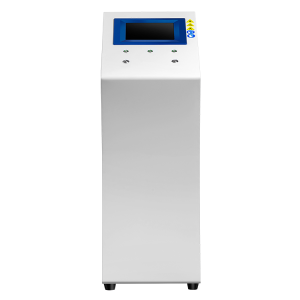
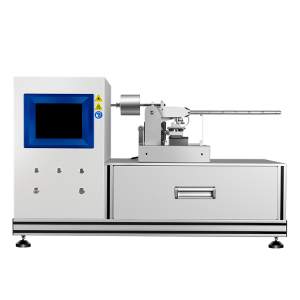
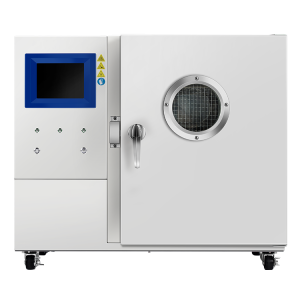
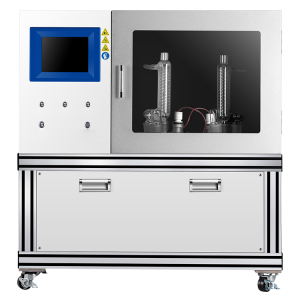
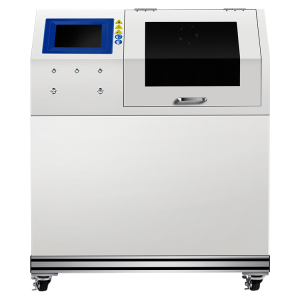
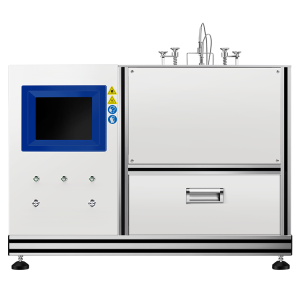
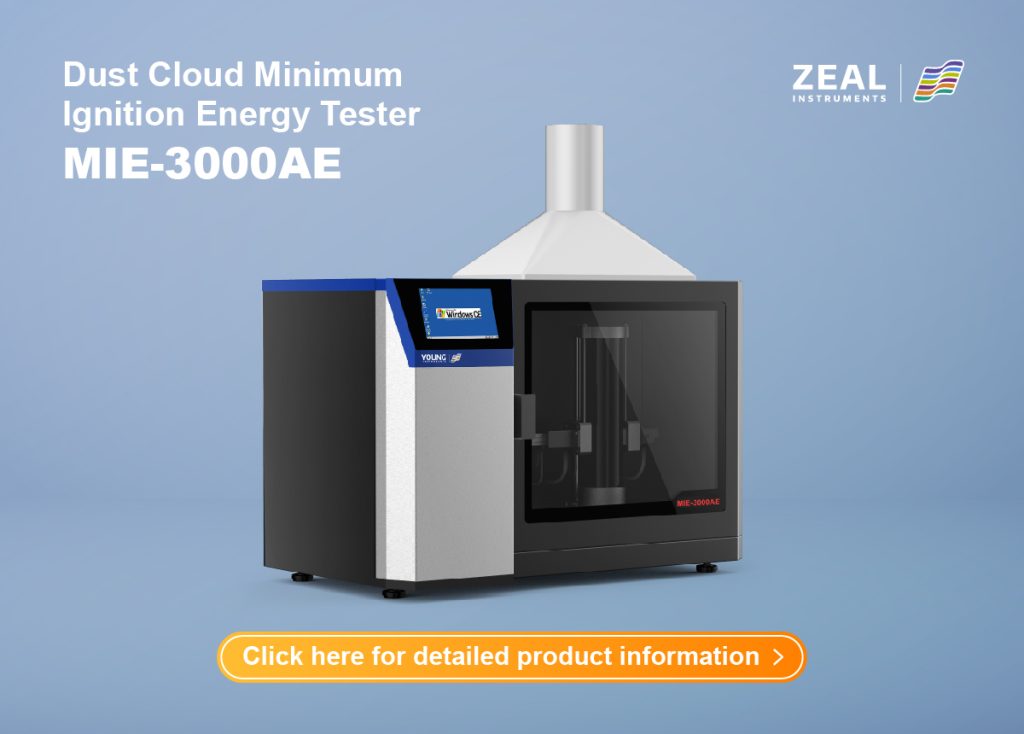
MIE-3000AE is a professional Dust Cloud Minimum Ignition Energy (MIE) testing system designed for evaluating dust explosion hazards. Based on a standardized minimum ignition energy testing method, the system disperses a defined mass of dust sample into a Hartmann Tube using precisely regulated compressed air, forming a stable and uniform dust cloud. A controlled spark energy is then applied in a sequence of ignition trials, progressively decreasing until the ignition threshold is accurately identified.
As a quantitative method for evaluating ignition sensitivity from an energy perspective, the MIE-3000AE supports dust explosion hazard analysis across a wide range of industrial materials. The resulting data provides critical input for ATEX/IECEx compliance and Process Safety Data Sheets (PSDS), enabling engineering decisions based on measured parameters rather than assumptions.
Engineering Value of Minimum Ignition Energy (MIE)
All combustible dusts have a defined Minimum Ignition Energy, representing the lowest spark energy required to initiate combustion of a dust cloud, typically expressed in millijoules (mJ). Within a minimum ignition energy testing method, this parameter serves as a fundamental indicator of explosion sensitivity.
Beyond laboratory measurement, MIE directly influences explosion protection strategies. Equipment selection, ignition source control, grounding systems, and process isolation design all rely on accurate MIE data obtained through standardized testing.
Experimental results show that MIE values depend on multiple variables, including:
- Chemical composition and mixture characteristics
- Particle size distribution
- Dust concentration
- Ambient pressure and temperature
Under identical conditions, lower MIE values indicate higher sensitivity to ignition and increased explosion risk, while higher values suggest a wider safety margin for energy exposure.
Testing Principle: Hartmann Tube and Sequential Energy Ignition
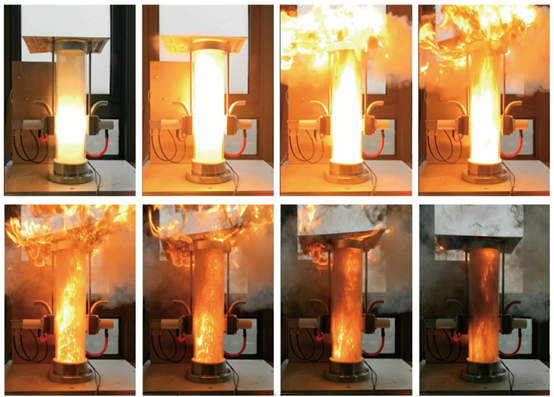
The minimum ignition energy testing method implemented in MIE-3000AE is based on the Hartmann Tube principle. A controlled burst of compressed air disperses the dust sample into a vertical tube, creating a reproducible dust cloud.
A spark discharge system then applies a defined ignition energy to the dust cloud. By performing a sequence of ignition attempts with decreasing energy levels, the system identifies the minimum energy at which ignition can no longer occur, thereby determining the MIE value.
To ensure repeatability and compliance, key parameters must be tightly controlled:
- Dust dispersion consistency
- Turbulence conditions within the tube
- Spark discharge characteristics
Testing procedures are conducted in accordance with recognized standards such as ASTM E2019 and IEC 61241-2-3, ensuring reliable and comparable results across laboratories.
MIE Risk Classification and Engineering Thresholds
Critical Risk Threshold: <3 mJ
Dusts with MIE values below 3 mJ are extremely sensitive to ignition. Even low-energy sources such as electrostatic discharge or minor electrical contacts can trigger ignition.
Materials within this range require advanced explosion protection strategies, including intrinsic safety design, strict electrostatic control, and process isolation. In practice, some engineering contractors may avoid handling materials below this threshold due to the difficulty of risk control.
Typical Industrial Range: 1–1000 mJ
Most industrial dusts fall within the 1–1000 mJ range. Within this interval, risk management strategies vary depending on the measured MIE value.
- Higher MIE → broader tolerance for ignition energy, standard grounding and humidity control may be sufficient
- Lower MIE → stricter control measures, including inerting and specialized explosion-proof equipment
Accurate classification through a minimum ignition energy testing method allows engineers to align protection measures with actual risk levels rather than conservative assumptions.
MIE-3000AE Technical Capabilities and Compliance
To support applications from R&D screening to regulatory certification, the MIE-3000AE integrates key features required for reliable MIE testing:
- Precision dust dispersion system
Ensures consistent and repeatable dust cloud formation with controlled sample mass - Wide-range spark energy output
Adjustable energy levels covering the full 1–1000 mJ testing range - Standardized Hartmann Tube design
Compliant with EN 13821 and ISO/IEC 80079-20-2 for explosion characteristic testing - Multi-environment simulation capability
Adjustable pressure, temperature, and humidity to replicate real process conditions
These capabilities ensure that the minimum ignition energy testing method is executed with high accuracy, repeatability, and regulatory alignment.
Conclusion: From MIE Data to Engineering Protection
Minimum Ignition Energy is not an abstract laboratory value—it is a primary input for dust explosion protection engineering.
By applying a standardized minimum ignition energy testing method using systems such as the MIE-3000AE, engineers can accurately determine whether potential ignition sources exceed or remain below critical thresholds, particularly the <3 mJ risk boundary.
This data-driven approach enables precise alignment between hazard level and protection strategy, avoiding both under-protection and unnecessary overdesign while ensuring compliance with industrial safety standards.


