





















Parameters, Functions, and Standards for Explosive Dust Test Severity
If dust generated during industrial processes is determined to be combustible, quantitative testing of its explosion parameters becomes a critical method for identifying and assessing dust explosion risks and implementing effective prevention measures. Dust explosion characteristics are generally divided into two categories: sensitivity parameters and severity parameters.
Dust Explosion Severity Parameters
Severity parameters describe the destructive potential of a dust explosion. The main indicators include:
- Maximum Explosion Pressure (Pmax)
- Maximum Rate of Pressure Rise ((dP/dt)max)
- Explosion Index (Kst)
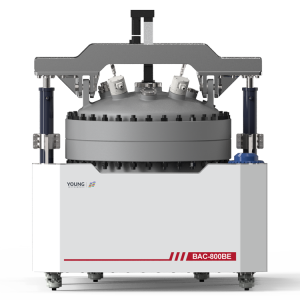
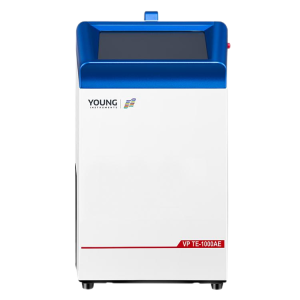
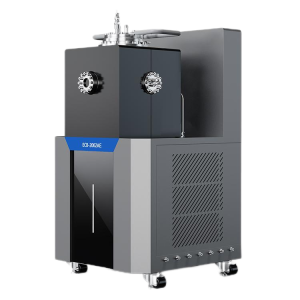
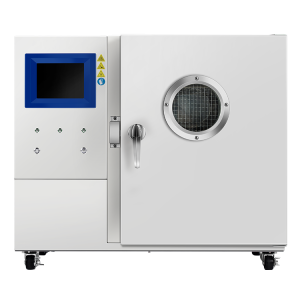
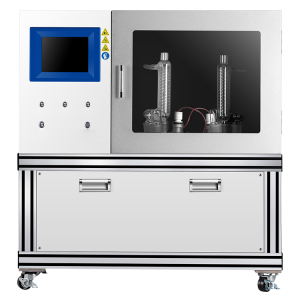
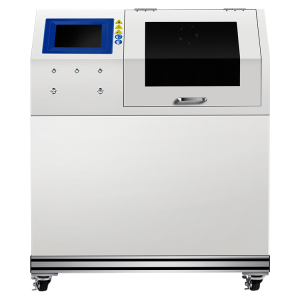
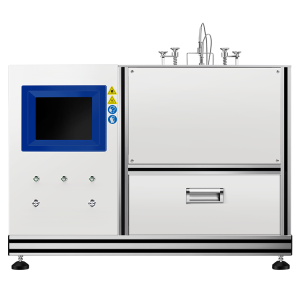
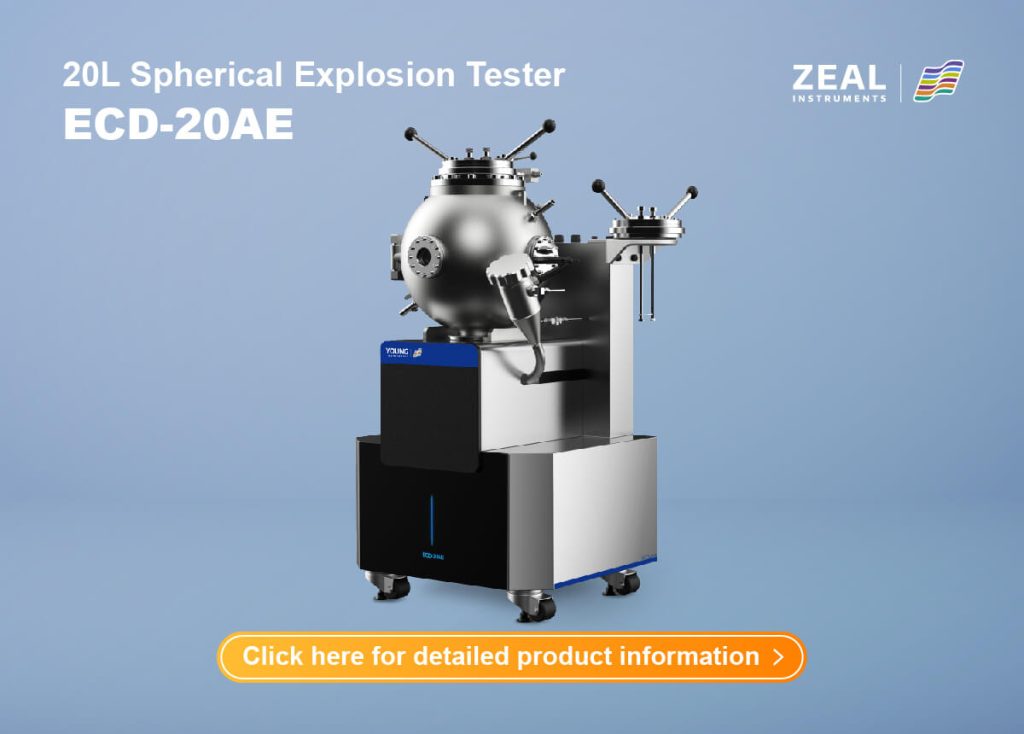
Testing is conducted according to standards such as EN 14034-1:2004+A1:2011 (Determination of maximum explosion pressure of dust clouds) and ASTM E1226-2019 (Standard test method for explosibility of dust clouds). Typical testing equipment includes a 20L spherical dust explosion tester or a 1m³ dust explosion test vessel with its measurement system.
Maximum Explosion Pressure (Pmax)
- Definition: The peak pressure value recorded during dust cloud explosions under specified volume and ignition energy conditions.
- Principle: Dust and air are mixed in a closed vessel to form a dust cloud. Ignition occurs at the center, and pressure sensors record the pressure–time curve. The maximum peak value is taken as Pmax.
Maximum Rate of Pressure Rise ((dP/dt)max)
- Definition: The highest slope of the pressure–time curve during explosion tests across different dust concentrations.
- Principle: Similar to Pmax testing, but the focus is on analyzing the steepest pressure rise rate.
Explosion Index (Kst)
- Definition: Calculated using the formula:
- where V is the test vessel volume (0.02 m³ for a 20L sphere, 1 m³ for a 1m³ vessel).
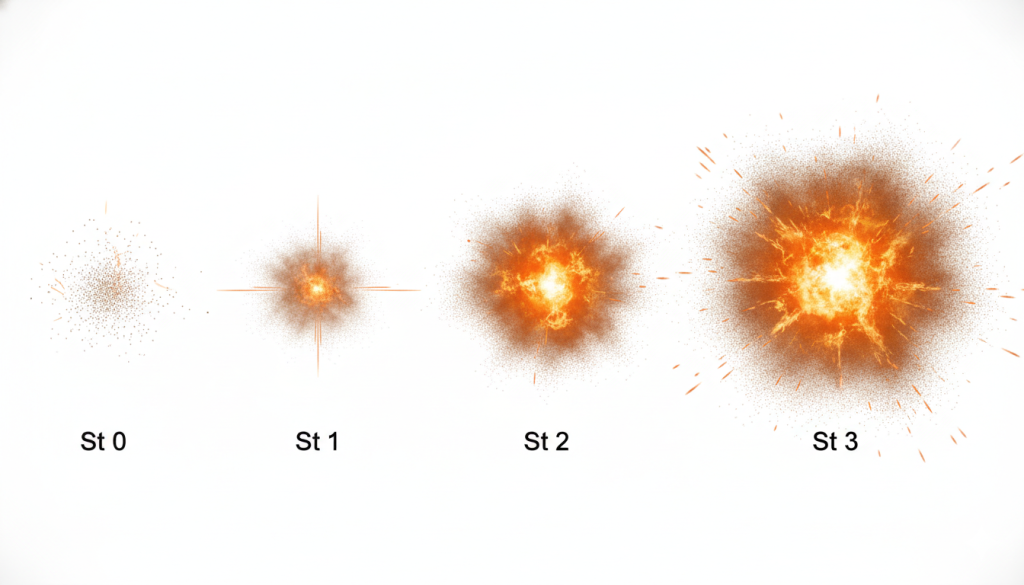
- Function: Kst values classify dust explosion hazards into categories:
| St 0 | Non-explosive | No explosion risk | NH₄NO₃ (120 µm), NaNO₃ (195 µm) |
| St 1 | < 20 | Weak explosion | Zinc powder (19 µm), Sulfur (20 µm) |
| St 2 | 20 – 30 | Strong explosion | Al–Fe alloy (21 µm), Cellulose (33 µm) |
| St 3 | > 30 | Very strong explosion | Aluminum powder (29 µm), Anthraquinone (<10 µm) |
Applications of Explosive Dust Test Results
Based on severity parameters, enterprises can design and implement explosion protection measures:
- Explosion Venting: Installing vent panels to release hot gases and unburned dust safely during the early stages of an explosion.
- Explosion Suppression: Using suppression systems in ducts or dust collectors to inject extinguishing agents immediately upon ignition.
- Explosion Isolation: Preventing propagation of explosions through isolation valves or barriers.
- Explosion Resistance: Designing equipment to withstand explosions without structural failure, typically used in facilities handling toxic, corrosive, or highly hazardous dusts.
Safety Design Implications
For new, renovated, or expanded facilities handling combustible dust, quantitative testing of explosive dust parameters is essential. The results guide the selection and installation of appropriate venting, suppression, isolation, or resistance systems to ensure workplace safety.


