





















Thermal Conductivity of Insulation Materials: Heat Flow Meter Evaluation
As concerns about building energy consumption and environmental impact deepen, the choice and use of thermal insulation materials have become a research focus. In particular, the thermal conductivity of materials—a key parameter determining insulation performance—is significantly influenced by moisture content. Accurate measurement of the thermal conductivity of thermal insulation materials is fundamental to evaluating building energy efficiency. To properly assess this effect, the Heat Flow Meter Apparatus (HFM) plays a crucial role.
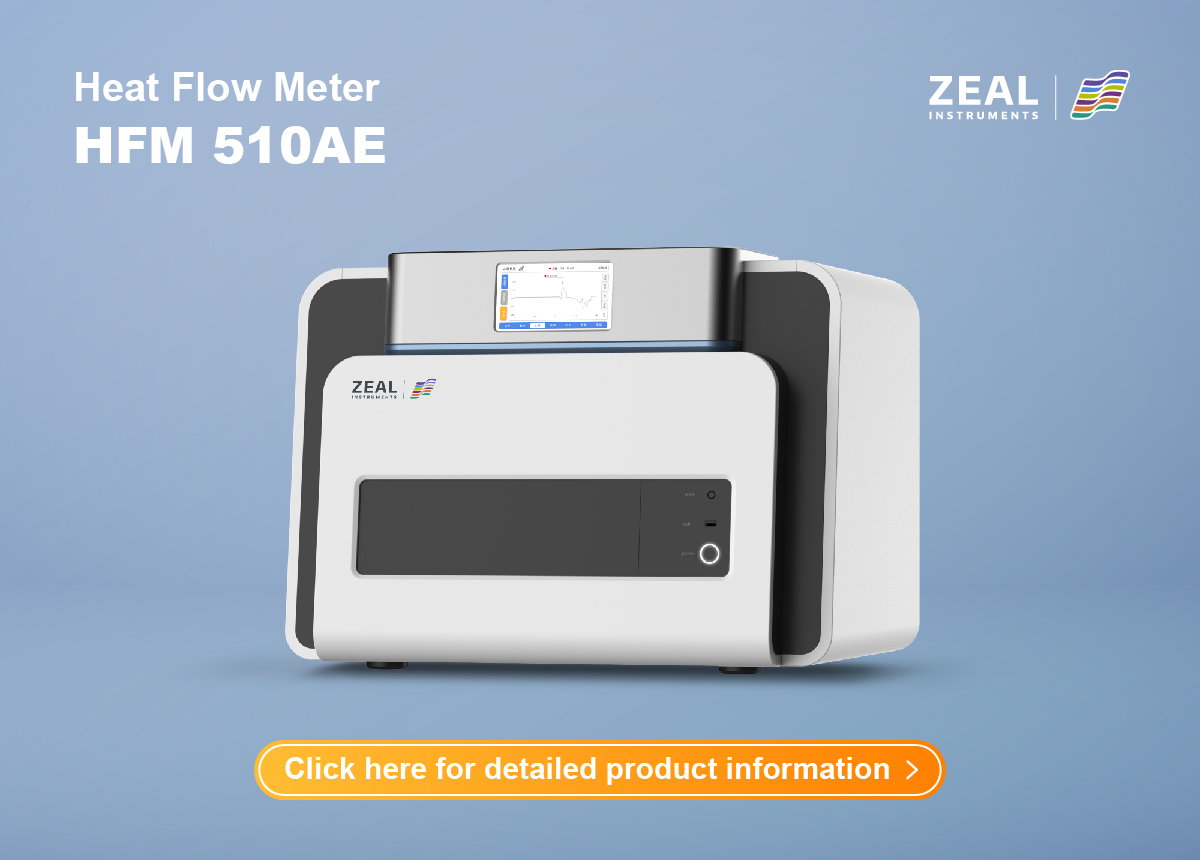
What is a Heat Flow Meter?
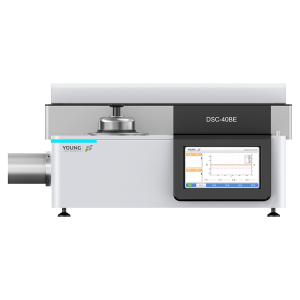
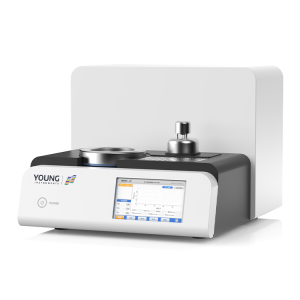
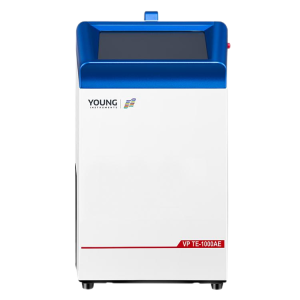
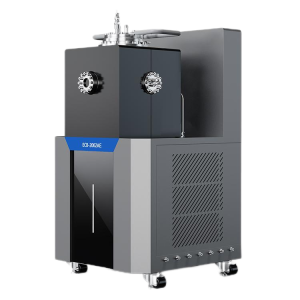
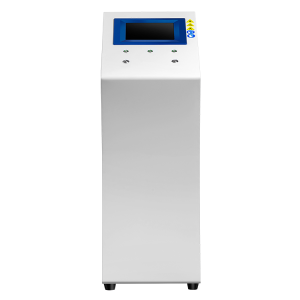
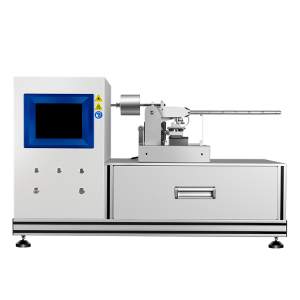
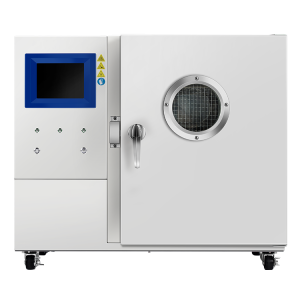
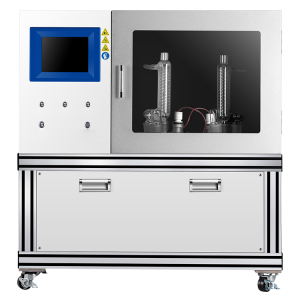
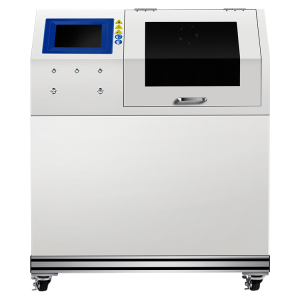
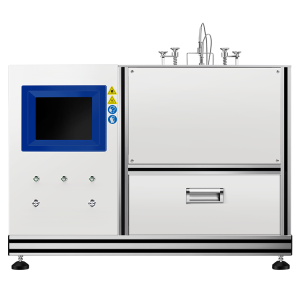
A heat flow meter is a device used to evaluate the thermal performance of materials. Its working principle is straightforward: a heating element generates stable heat on one side of the sample, while a calibrated heat flux sensor on the opposite side measures the heat flux density passing through the sample. By recording the sample thickness, the temperature difference between hot and cold plates, and the heat flux density, the thermal conductivity of the material can be calculated.
When measuring the thermal conductivity of thermal insulation materials, this method offers advantages such as fast testing speed, simple operation, and suitability for batch testing.
Applications in Building Insulation Research
In building insulation research, the heat flow meter is widely applied to evaluate the thermal performance of materials. For moisture-containing insulation materials, such as wood fiber insulation, the device can accurately measure the thermal conductivity of thermal insulation materials while accounting for the impact of moisture migration. Experimental data obtained in this way provide engineers with conductivity values that better reflect real-world operating conditions.
Experimental Studies: Moisture Migration and Thermal Conductivity
Recent studies have employed heat flow meters to analyze the effect of moisture migration on the thermal performance of building insulation materials. By controlling parameters such as sample thickness, average humidity, and temperature, researchers measured the thermal conductivity of thermal insulation materials under different conditions. They also examined how shortening test duration influences measurement error and experimentally assessed moisture-dependent thermal conductivity values.
Comparison with Standard Methods
To validate the accuracy of heat flow meter measurements, researchers compared experimental results with predictions from standard methods (EN 12664 and ISO 10051.1). Using verified heat and moisture transfer models, they found that while these standards provide useful references, their predictions may deviate significantly from experimental results. Thus, experimental measurement with a heat flow meter remains the most reliable method for evaluating the impact of moisture migration on the thermal conductivity of thermal insulation materials.
Conclusion: The Importance of Accurate Evaluation
The thermal performance of insulation materials plays a decisive role in building energy efficiency and environmental impact. Since moisture migration can significantly alter thermal conductivity, accurate evaluation under moist conditions is essential. By employing the heat flow meter apparatus, researchers and engineers can better understand how moisture affects material performance, thereby optimizing building design and energy-saving strategies.


