





















Dust Hazards Analysis (DHA): A Practical Method for Managing Combustible Dust Risks
Dust Hazards Analysis (DHA), also commonly referred to as Dust Hazard Analysis, is a systematic method used to identify and manage dust-related fire and explosion risks in different areas of an industrial facility. For plants handling combustible powders, dusts, or particulate materials, DHA helps determine where hazards may exist, how serious they are, and what prevention or mitigation measures should be implemented.
A complete Dust Hazards Analysis usually includes three main steps: hazard identification, hazard analysis, and risk management. Each step requires reliable process information, a clear understanding of the material being handled, and accurate combustible dust testing data.
Step 1: Hazard Identification and Combustibility Assessment
The first step in Dust Hazards Analysis is to map the production process and identify where potential dust fire or explosion hazards may exist. This usually begins with a process flow review, supported by documents such as P&ID drawings, equipment data sheets, layout drawings, and operating procedures.
Because combustible dust hazards may occur in different parts of a facility, DHA should be carried out by a multidisciplinary team. The team should be familiar with the working environment and include personnel from production, safety, engineering, maintenance, and process management. It should also include a specialist with expertise in combustible dust hazards.
Before evaluating the actual risk, the DHA team must collect explosion characteristic data for the dusts handled in the facility. These data may include:
- Minimum Ignition Energy, MIE
- Minimum Ignition Temperature, MIT
- Dust explosion index, Kst
- Maximum explosion pressure, Pmax
These parameters are essential for understanding how easily a dust cloud can ignite and how severe an explosion may be if ignition occurs.
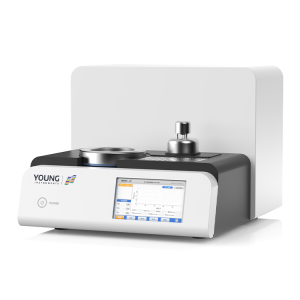
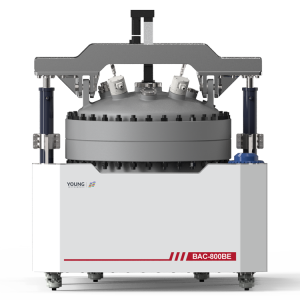
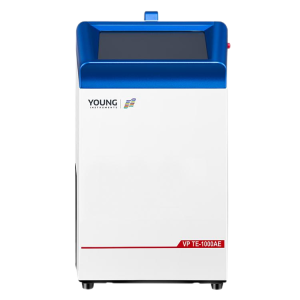
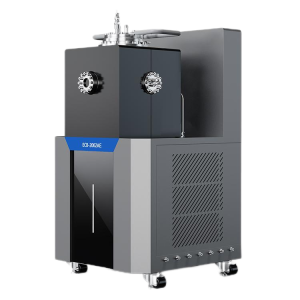
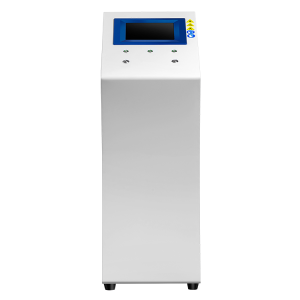
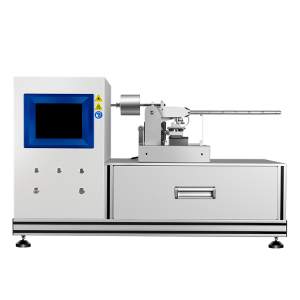
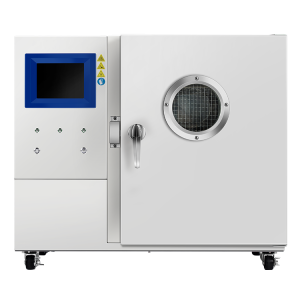
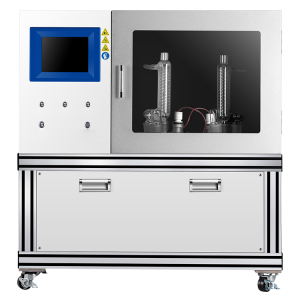
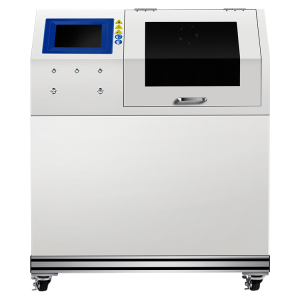
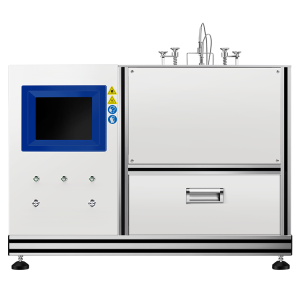
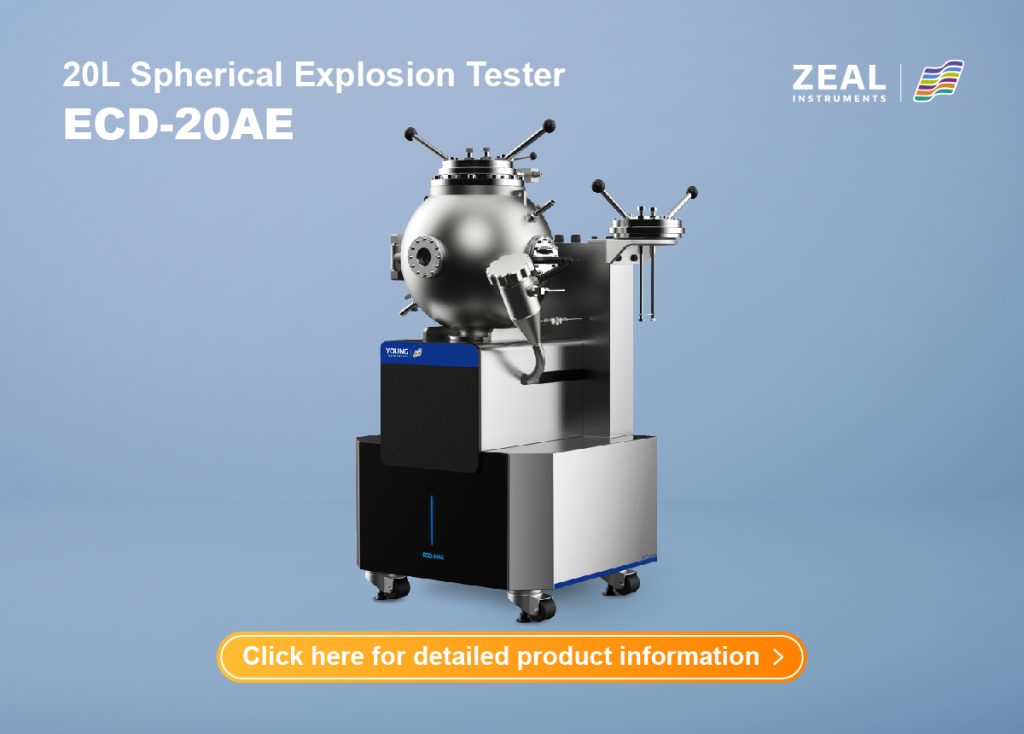
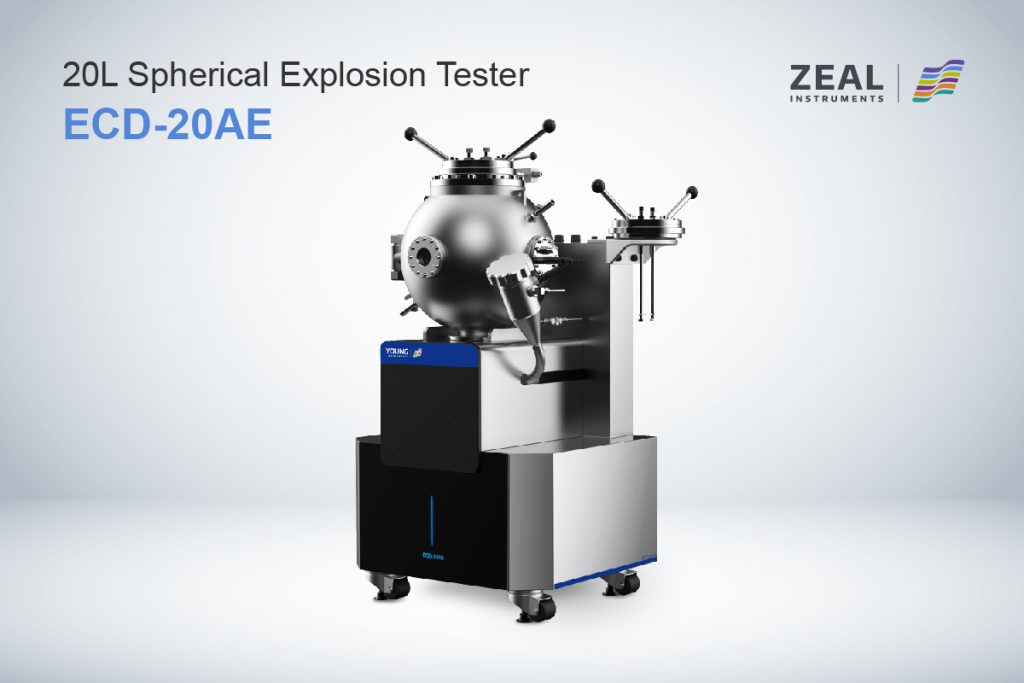
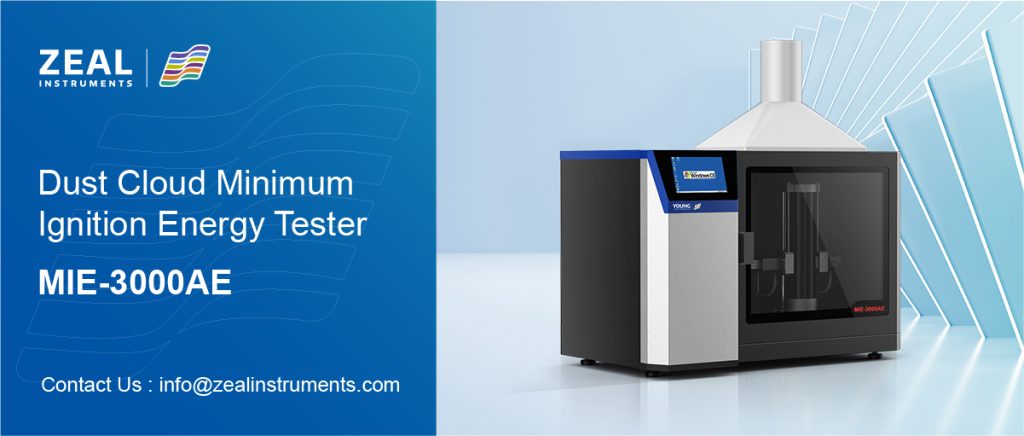
For example, a Dust Cloud Minimum Ignition Energy Tester can be used to measure the minimum spark energy required to ignite a dust cloud. A 20L Spherical Explosion Tester can be used to determine explosion severity parameters such as Kst and Pmax. These test results provide a technical basis for later risk evaluation and protection design.
After collecting material data, the DHA team should list all areas where combustible dust may be present. These may include material feeding points, conveying systems, mixers, mills, dryers, dust collectors, silos, packaging lines, and other equipment where dust can be generated, dispersed, or accumulated.
Once the facility process and dust-handling areas have been reviewed, the team can move to the next step: evaluating the actual hazards.
Step 2: Hazard Analysis
During the hazard analysis stage, the DHA team must examine whether the necessary conditions for a dust fire or dust explosion are present. The following questions should be reviewed carefully:
- Is combustible dust present in the area?
- Can the dust form a dust cloud at or above its minimum explosible concentration?
- Can the dust accumulate as a dust layer on equipment, floors, beams, or other surfaces?
- Is an oxidizer present, usually oxygen in the air?
- Are there possible ignition sources?
If dust is present as a deposited layer, the ignition source may not need to be an open flame or spark. A hot surface may be enough to cause smoldering, fire, or ignition of the dust layer. This is why thermal ignition properties and surface temperature control are important in combustible dust safety.
If the DHA team concludes that combustible dust is present in a sufficient amount, that it is exposed to an oxidizing atmosphere, and that ignition sources may exist, then a hazard exists. This hazard may appear as a dust fire, flash fire, or dust deflagration.
At this stage, prevention and mitigation measures must be considered. However, the exact action depends on the risk level. The risk level can be estimated using a risk assessment matrix, which considers both the likelihood of occurrence and the possible severity of the consequences.
A proper hazard analysis should not rely only on visual inspection. It should combine site observations, process knowledge, dust accumulation review, ignition source identification, and laboratory test data. This helps ensure that the final DHA conclusions are based on measurable risk factors rather than assumptions.
Step 3: Risk Management and Protective Measures
After the dust hazards have been identified and analyzed, the next step is risk management. The DHA team must select prevention and mitigation measures that are suitable for the specific dust hazard, material characteristics, and process conditions.
One common approach is to prevent an explosion by removing one or more elements required for dust ignition and explosion.
Avoiding Dust Release or Accumulation
If dust is generated because equipment is not properly sealed, replacing it with better-sealed equipment can reduce or eliminate the dust hazard around the equipment. However, it is important to remember that the internal hazard inside the equipment may still remain.
Good housekeeping, dust containment, proper ventilation, and dust collection systems can also help prevent hazardous dust accumulation. Special attention should be given to hidden or elevated surfaces where dust layers may build up over time.
Avoiding the Presence of Oxidizer
In some processes, inerting can be used to reduce oxygen concentration and prevent ignition or explosion. This method is often applied in enclosed equipment where the atmosphere can be controlled. However, inerting requires careful monitoring and must be designed according to the actual process conditions.
Avoiding Ignition Sources
Ignition source control is another important part of combustible dust risk management. Common measures include:
- Grounding and bonding equipment to reduce electrostatic discharge
- Controlling hot surfaces
- Preventing mechanical sparks from rotating or moving parts
- Using suitable electrical equipment in hazardous areas
- Monitoring friction, overheating, and abnormal equipment operation
These measures help reduce the likelihood that combustible dust will be ignited during normal or abnormal operating conditions.
When Explosion Prevention Is Not Enough
In some cases, it may not be possible to reliably prevent an explosion. When the risk cannot be fully controlled through prevention alone, the DHA may need to recommend mitigation measures.
Typical mitigation measures include explosion venting panels, explosion suppression systems, isolation devices, and other explosion protection systems. Depending on the application, the analysis may also need to consider the requirements of standards such as NFPA 68 and NFPA 69.
The purpose of mitigation is not to prevent ignition completely, but to reduce the consequences if an explosion occurs. For example, explosion venting can help release pressure safely, while suppression systems can detect and extinguish an explosion at an early stage.
Documentation and Implementation
The conclusions of the Dust Hazards Analysis must be documented in a formal DHA report. This report should clearly describe the identified hazards, risk evaluation results, recommended prevention and mitigation measures, and the actions required for implementation.
A DHA report is only effective if the facility follows through with the recommended actions. Therefore, the plant should create an action plan, assign responsible personnel, set completion deadlines, and verify that the required improvements are completed on time.
Regular review is also important. When processes, materials, equipment, or operating conditions change, the Dust Hazards Analysis should be reviewed and updated to ensure that the risk assessment remains valid.
Conclusion
Dust Hazards Analysis (DHA) is an essential process for facilities that handle combustible dust. It helps identify where dust fire and explosion hazards may exist, evaluates the severity and likelihood of those hazards, and defines suitable prevention or mitigation measures.
Reliable combustible dust testing data, such as MIE, MIT, Kst, and Pmax, plays an important role in supporting accurate DHA results. With proper testing, structured hazard analysis, and timely implementation of risk control measures, facilities can better manage combustible dust risks and improve overall process safety.


