





















Chemical GHS Classification: How to Determine Corrosive to Metals Under UN Test C.1
In global chemical trade, Corrosive to Metals is a mandatory physical hazard category under the GHS classification system, EU CLP Regulation, and OSHA HazCom requirements. Incorrect classification may lead to non-compliant SDS documents, improper safety labels, corrosion of metal packaging during transport, customs issues, product recalls, or legal risks.
However, not every chemical described as “corrosive” is classified as corrosive to metals. Under GHS, this category has a clear technical criterion: if the corrosion rate on steel or aluminum exceeds 6.25 mm per year at 55°C, the substance or mixture is classified as Corrosive to Metals Category 1.
For chemical manufacturers, third-party testing laboratories, exporters, and EHS compliance teams, understanding how to perform this determination through laboratory testing is essential.
What Does “Corrosive to Metals” Mean in GHS?
In GHS classification, Corrosive to Metals is an independent physical hazard category. It should not be confused with Skin Corrosion, which belongs to health hazards.
Corrosive to Metals focuses on chemical damage to metal containers, tanks, equipment, or transport systems. Skin Corrosion focuses on irreversible damage to biological tissue. A chemical may fall under both categories, only one category, or neither, depending on its actual test results.
Under GHS, Corrosive to Metals has only one classification level: Category 1. If a substance or mixture meets the corrosion threshold, the label normally requires the signal word “Warning”, the hazard statement H290: May be corrosive to metals, and the corrosion pictogram where applicable.
For companies exporting to the EU, CLP rules should also be reviewed carefully. In some cases, if a product is classified as corrosive to metals but is not corrosive to skin or eyes and is supplied in finished consumer packaging, the GHS05 pictogram may not be required on the label.
UN Test C.1: The Standard Method for Metal Corrosion Classification
The standard test method used to determine whether a chemical is corrosive to metals is UN Test C.1, from the UN Manual of Tests and Criteria.
The purpose of UN Test C.1 is to simulate high-temperature transport and storage conditions and evaluate whether a chemical may corrode metal packaging, tanks, or equipment.
The test is mainly designed for liquids and solids that may become liquid during transport or storage, such as melted solids or materials that dissolve when exposed to moisture. Pure solids that remain solid under normal transport conditions usually do not require this test.
Key Test Conditions
UN Test C.1 uses controlled laboratory conditions to measure corrosion risk accurately.
The standard test temperature is 55°C. The metal specimens normally include steel and aluminum. Steel specimens are selected according to the relevant ISO material requirements, while aluminum specimens are selected according to accepted ASTM material specifications.
The test arrangement should reflect real exposure conditions. Specimens are placed in three exposure positions:
- Full immersion
- Semi-immersion
- Vapor phase exposure
This allows the test to evaluate corrosion in the liquid phase, at the liquid-air interface, and in the vapor space above the liquid.
The standard exposure period is 7 days. If a specimen is completely dissolved or severely damaged before the end of the test, the test may be terminated earlier.
After exposure, the corrosion rate is calculated and compared with the GHS threshold. If the corrosion rate of either steel or aluminum exceeds 6.25 mm/year, the chemical is classified as Corrosive to Metals Category 1.
Why a Dedicated Metal Corrosion Tester Is Needed
UN Test C.1 requires stable temperature control, correct specimen positioning, reliable exposure conditions, and accurate corrosion rate calculation. Traditional simple water bath setups may cause unstable temperature, inconsistent specimen placement, poor repeatability, and unreliable classification data.
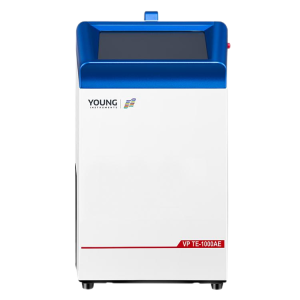
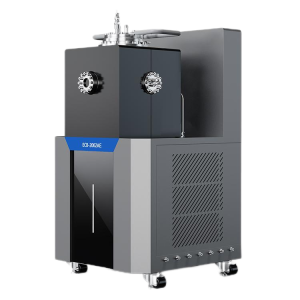
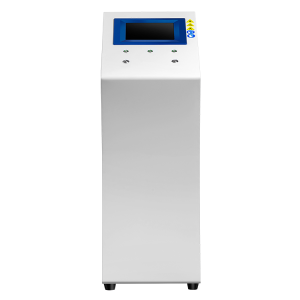
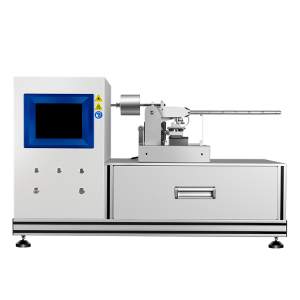
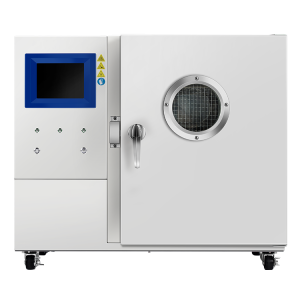
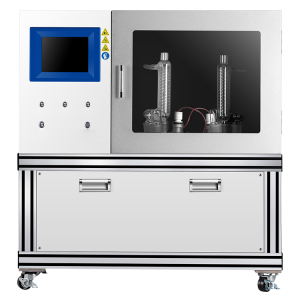
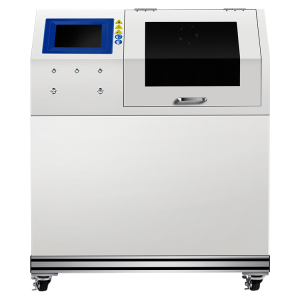
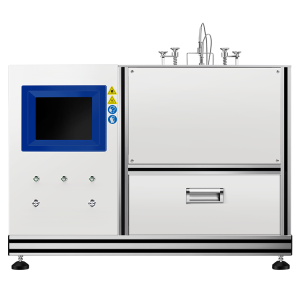
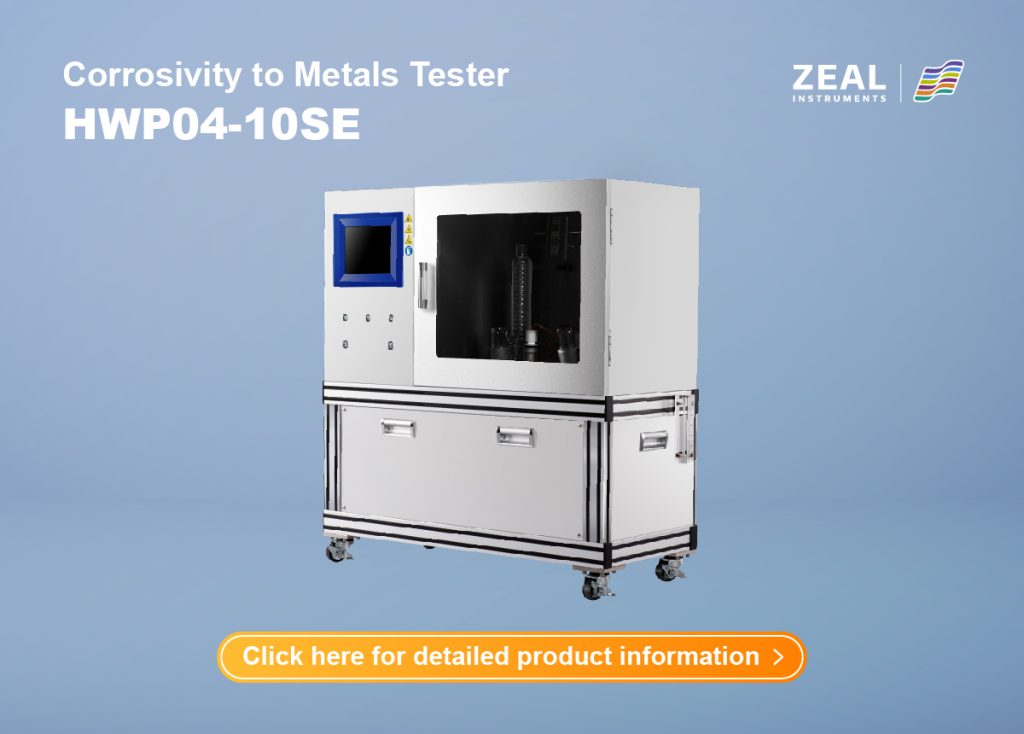
A professional Metal Corrosion Tester provides the controlled test environment required for GHS and UN Test C.1 compliance.
A suitable corrosivity-to-metals tester should support:
- Stable temperature control for the 55°C test condition
- Steel and aluminum specimen fixtures
- Full immersion, semi-immersion, and vapor phase exposure
- 7-day test timing and reminder functions
- Corrosion-resistant bath and vessel materials
- Safety protection for acid, alkaline, and high-risk chemical samples
- Measurement and calculation support for corrosion rate in mm/year
With this equipment, laboratories can generate more consistent and reproducible data for GHS classification, SDS preparation, transport safety evaluation, and regulatory reporting.
Typical Test Procedure
The metal corrosion determination process generally includes the following steps.
- First, the sample status is confirmed. The laboratory checks whether the chemical is a liquid or a solid that may become liquid during transport or storage.
- Next, steel and aluminum specimens are prepared. The specimens are polished, cleaned, dried, and weighed before testing.
- The test sample is then added to the test container. Metal specimens are placed in full immersion, semi-immersion, and vapor phase positions according to UN Test C.1 requirements.
- The tester is started and the sample is exposed under controlled temperature conditions for 7 days.
- After the exposure period, the specimens are removed, cleaned, dried, and measured again. The corrosion rate is calculated based on mass loss or thickness change.
- Finally, the result is compared with the classification threshold. If the corrosion rate is equal to or below 6.25 mm/year, the sample is not classified as corrosive to metals. If the corrosion rate is above 6.25 mm/year, the sample is classified as Corrosive to Metals Category 1 and should be labeled with H290 where required.

Application Scenarios
A Metal Corrosion Tester is widely used across the chemical supply chain.
- For chemical manufacturers and exporters, the equipment helps determine whether a product needs H290 labeling before export. This supports compliant SDS preparation, safer packaging selection, and reduced regulatory risk.
- For third-party testing laboratories, UN Test C.1 compliance is essential for issuing chemical hazard classification reports that can be accepted by customers and regulatory authorities.
- For transport and warehousing companies, the test helps evaluate whether chemicals may corrode metal drums, tanks, containers, cargo holds, or tank trucks during storage and shipment.
- For chemical parks and EHS management departments, standardized testing supports chemical hazard databases, risk screening, and physical hazard classification.
Compliance, Safety, and Economic Value
Corrosive to Metals testing provides value in three key areas.
- First, it supports regulatory compliance with GHS, CLP, OSHA HazCom, and transport-related chemical safety requirements.
- Second, it helps reduce economic losses caused by incorrect classification, customs rejection, product recalls, transport delays, or legal claims.
- Third, it improves safety by preventing corrosion-related leakage, container damage, fire risk, and environmental contamination during chemical storage and transport.
Conclusion
Corrosive to Metals is an independent GHS physical hazard category. It should not be confused with skin corrosion or eye damage. The classification criterion is clear: if the corrosion rate of steel or aluminum exceeds 6.25 mm/year at 55°C, the chemical is classified as Corrosive to Metals Category 1 under UN Test C.1.
For chemical manufacturers, testing laboratories, exporters, and EHS teams, metal corrosion testing is not optional when regulatory classification is required. A professional Metal Corrosion Tester helps laboratories perform UN Test C.1 testing with controlled conditions, reliable data, and repeatable results for SDS preparation, product labeling, and transport safety assessment.


