





















How Is Coating Flammability Determined? Sustained Combustibility Test and the Complete IMDG Compliance Path
From January 1, 2026, Amendment 42-24 of the International Maritime Dangerous Goods Code, or IMDG Code, will become mandatory. Classification, packaging, and documentation requirements will be fully upgraded.
Coating-related goods, such as paints, varnishes, lacquers, colorants, thinners, and curing agents, are commonly classified under UN 1263 as Class 3 flammable liquids. Goods that have not been tested according to the updated requirements may face risks such as:
- Prohibition from sea transport
- Return shipment
- Customs detention
- Delays in dangerous goods documentation approval
However, not all coatings with a flash point of ≤60°C must be transported as dangerous goods. The Sustained Combustibility Test is a key testing step that helps companies obtain exemptions and reduce transportation costs.
The first step in maritime transport safety is to accurately determine the flammability classification of coating products. The following sections explain the complete testing pathway and equipment selection recommendations.
Flash Point Test: The First Threshold for Flammability Classification
Flash point is the primary indicator used to determine coating flammability.
According to IMDG requirements, flash point is measured using a closed-cup method. When the flash point is ≤60°C, the coating is defined as a Class 3 flammable liquid.
The classification logic is as follows:
- Flash point >60°C: not classified as a flammable liquid and may be transported as general cargo.
- Flash point ≤35°C: proceed directly to the initial boiling point test for Packing Group classification.
- 35°C < flash point ≤60°C: proceed to the Sustained Combustibility Test to evaluate the possibility of exemption.
For coatings with a flash point between 35°C and 60°C, the Sustained Combustibility Test directly determines whether the product can qualify for exemption from Class 3 dangerous goods classification.
Sustained Combustibility Test: The Key Step for Exemption Determination
For coatings with a flash point >35°C and ≤60°C, companies must pass the Sustained Combustibility Test if they want to prove that the product is not a flammable liquid and may be exempted from Class 3 dangerous goods classification.
Test Principle and Classification Criteria
The test is performed according to the UN Recommendations on the Transport of Dangerous Goods, Manual of Tests and Criteria, UN Test L.2, and the international standard ISO 9038: Determination of Sustained Combustibility of Liquids.
The basic principle is:
- Heat the sample to the temperature specified by the standard
- Apply a standard flame to the sample
- Remove the ignition source
- Observe whether the flame continues to burn
If the sample cannot sustain combustion, it is judged as not supporting combustion. This result may be used to support exemption from Class 3 flammable liquid classification.
ISO 9038 is applicable to coatings, including water-based coatings, varnishes, solvents, adhesives, and petroleum-related products. It is an internationally recognized method for determining the sustained combustibility of liquids.
Simplified Test Procedure
The Sustained Combustibility Test generally follows this process:
- Inject the sample into the test trough
- Heat the sample to the specified temperature
- Apply a standard flame
- Remove the ignition source
- Determine the sustained burning time
- Issue a conclusion of sustained or non-sustained combustion
User Value and Application Scenarios
- Coating Manufacturers
For coating manufacturers, the test supports flammability screening before shipment, accurate exemption determination, and avoidance of unnecessary dangerous goods transportation costs for entire batches. - Third-Party Testing Laboratories
For third-party testing laboratories, the Sustained Combustibility Test helps issue cargo transport condition identification reports. One test can support multiple standards, including ISO, GB, and UN requirements. - Maritime Compliance Service Providers
For maritime compliance service providers, the test supports IMDG and ADR compliance reports and helps reduce the risk of shipment return caused by incorrect classification.

Initial Boiling Point Test: Further Classification of Packing Groups
The initial boiling point is used to further classify the Packing Group, which determines the strictness of the transport container requirements.
The general classification logic is:
- Initial boiling point ≤35°C: usually classified as Packing Group I, or PG I, which represents the highest danger level.
- Initial boiling point >35°C: the Packing Group is determined together with the flash point value, usually as PG II or PG III.
The test method is based on international standards such as ISO 3924 and requires an automatic boiling point tester or distillation apparatus.
Viscosity and Solvent Separation Test: Additional Exemption Path for Viscous Coatings
For high-viscosity coatings, varnishes, and similar products, the IMDG Code also provides special exemption or packing group downgrade provisions based on viscosity and solvent separation tests.
When conditions such as solvent separation level, viscosity value, and package capacity are met, some coatings may further reduce the Packing Group or even be transported as general cargo.
This pathway complements the Sustained Combustibility Test and together forms a complete compliance framework for coating flammability determination.
How Can a Laboratory Build Complete Coating Flammability Testing Capability?
A complete maritime compliance testing capability for coatings requires the following core equipment:
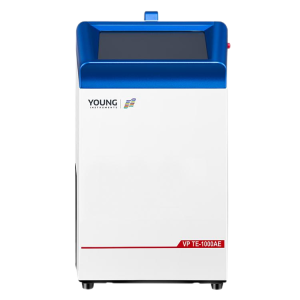
- Flash Point Tester
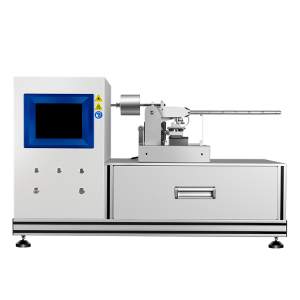
Used for preliminary screening and fast determination of the testing pathway. - Liquid Sustained Combustibility Tester
Used for key exemption determination and execution of the Sustained Combustibility Test. - Auxiliary Testing Equipment
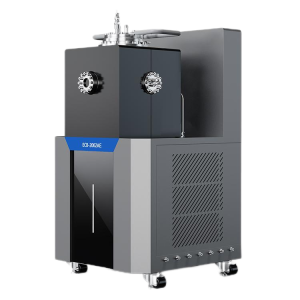
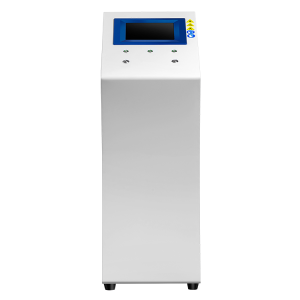
Includes boiling point testers, viscometers, and other instruments used for Packing Group classification and special exemptions for viscous coatings.
For coating exporters, third-party testing laboratories, and maritime compliance service providers, building this testing capability means they can provide customers with a complete compliance determination report in one process.
This helps companies:
- Obtain exemptions or Packing Group downgrades
- Reduce packaging and logistics costs
- Avoid cargo detention
- Reduce return shipment risks
- Improve dangerous goods compliance efficiency
Conclusion: Complete Testing Equipment Supports One-Step Compliance
Coating formulations are complex, and hazard levels may vary between batches. Before sea transport, scientific testing is necessary to determine the true classification of the product.
The general compliance pathway is:
- Flash point >60°C: transported as general cargo
- Flash point ≤35°C: initial boiling point determines the Packing Group
- 35°C < flash point ≤60°C: Sustained Combustibility Test determines whether Class 3 exemption is possible
- Viscous coatings: viscosity and solvent separation tests may provide downgrade or exemption possibilities
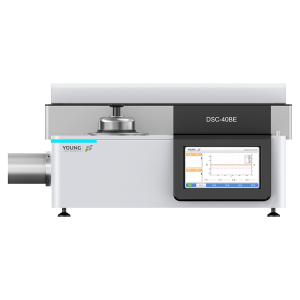
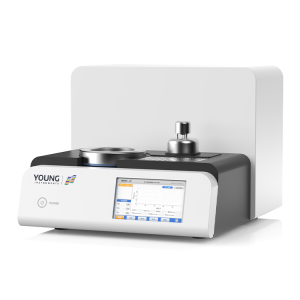
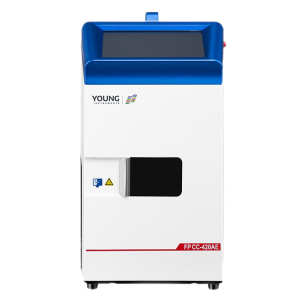
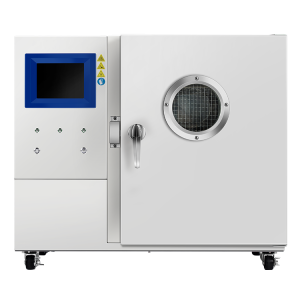
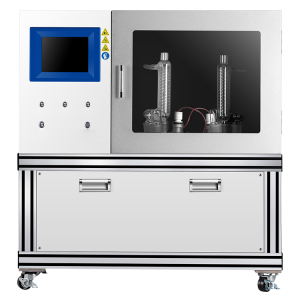
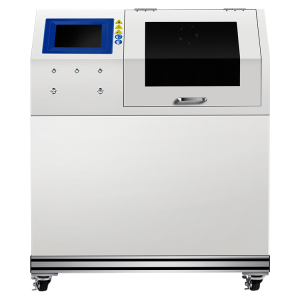
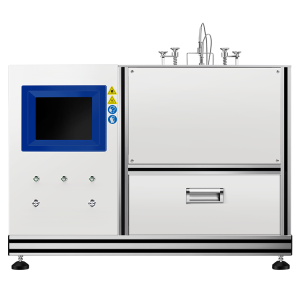
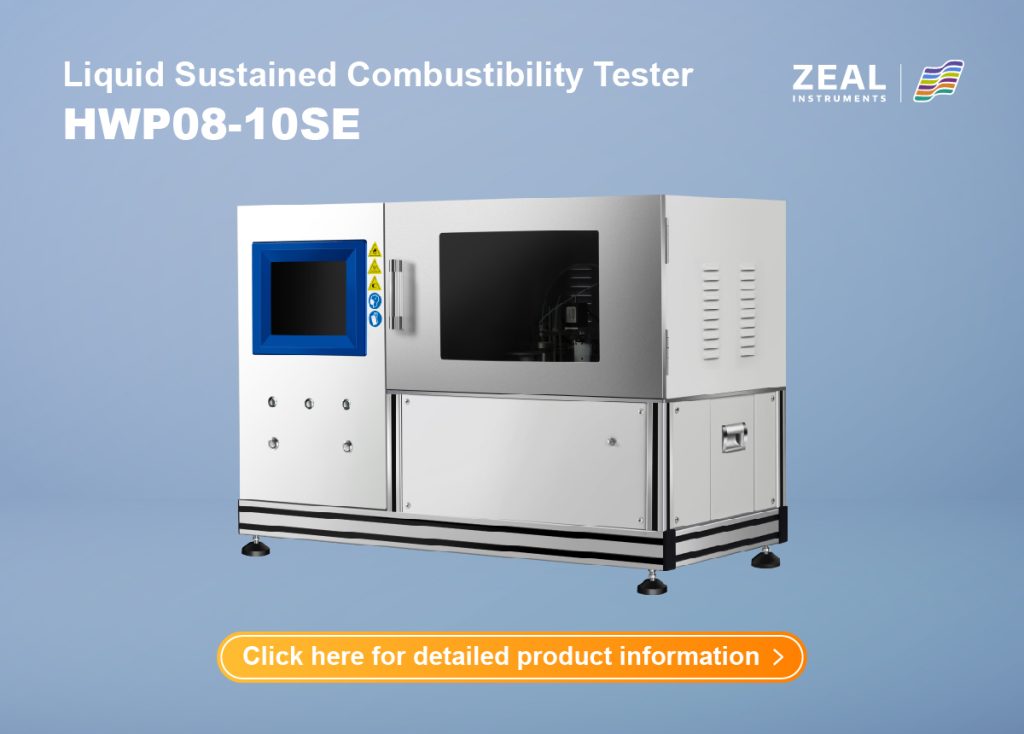
Our Liquid Sustained Combustibility Tester strictly follows ISO 9038, GB/T 21622-2008, and UN Test L.2 standards. It provides coating companies with accurate, safe, and repeatable Sustained Combustibility Test capability, supporting compliant declaration and helping reduce transportation costs.


