





















Safety Systems in BAC Series Battery Adiabatic Calorimeters
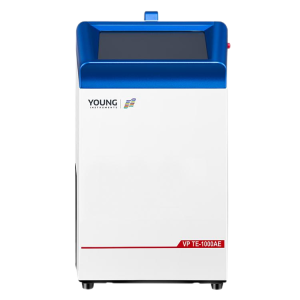
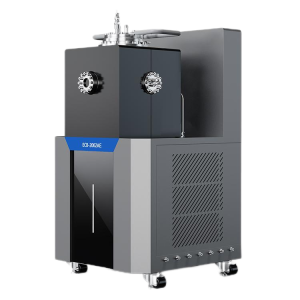
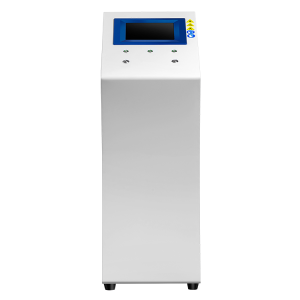
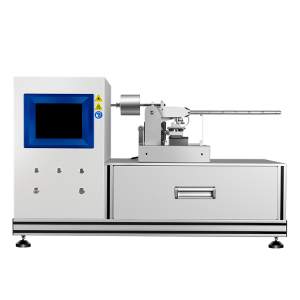
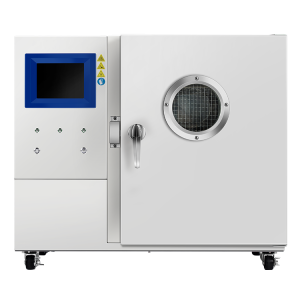
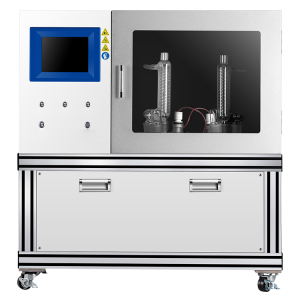
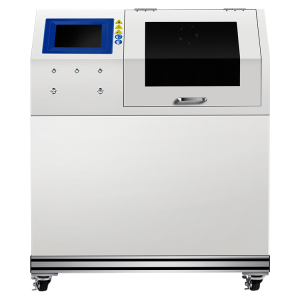
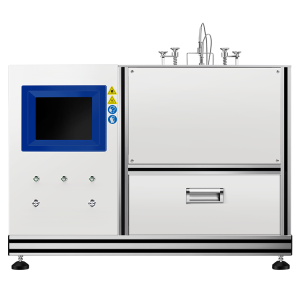
Designed for precision and safety, the BAC series integrates comprehensive protection mechanisms across the full experimental workflow. From sensor validation to venting, containment, and mechanical monitoring, every stage is engineered to ensure operator and equipment safety.
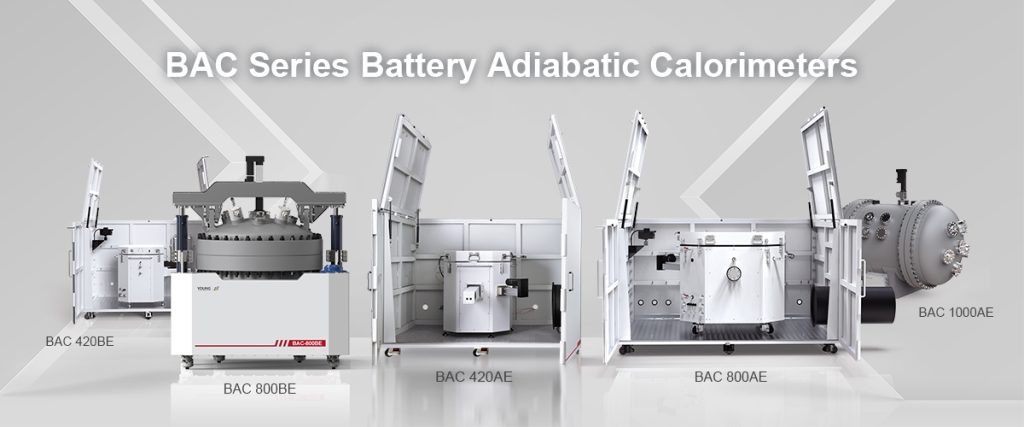
Sensor Fault Detection
Accurate temperature measurement is fundamental to both test validity and operational safety. A failed sensor can cause erroneous temperature readings, leading to uncontrolled heating and elevated experimental risk.
The BAC series integrates real-time sensor health monitoring at the main controller. Anomalous data triggers immediate alarm and fault reporting, enabling prompt operator intervention before sensor failure compromises test safety.
Automated Venting and Exhaust
Vented-chamber tests release particulates and toxic gases during cell thermal runaway, creating post-test environmental and respiratory hazards.
The BAC series vented systems feature automated pressure relief: when internal pressure exceeds safe thresholds, the lid actuates automatically without manual intervention, while the exhaust system activates simultaneously to evacuate smoke and hazardous gases through dedicated ducting, minimizing exposure to contaminants.
Blast-Resistant Containment
High-energy-density cells exhibit rapid temperature rise, extreme peak temperatures, and intense energy release during thermal runaway. Sealed-chamber systems must contain these events without structural compromise.
The BAC series sealed chambers are designed to GB/T 150-2024 with a pressure rating of 2 MPa. Dual protection via rupture discs and relief valves provides rapid overpressure release, while integrated audio-visual alarms activate on over-temperature, over-pressure, and thermal runaway events, enabling immediate response.
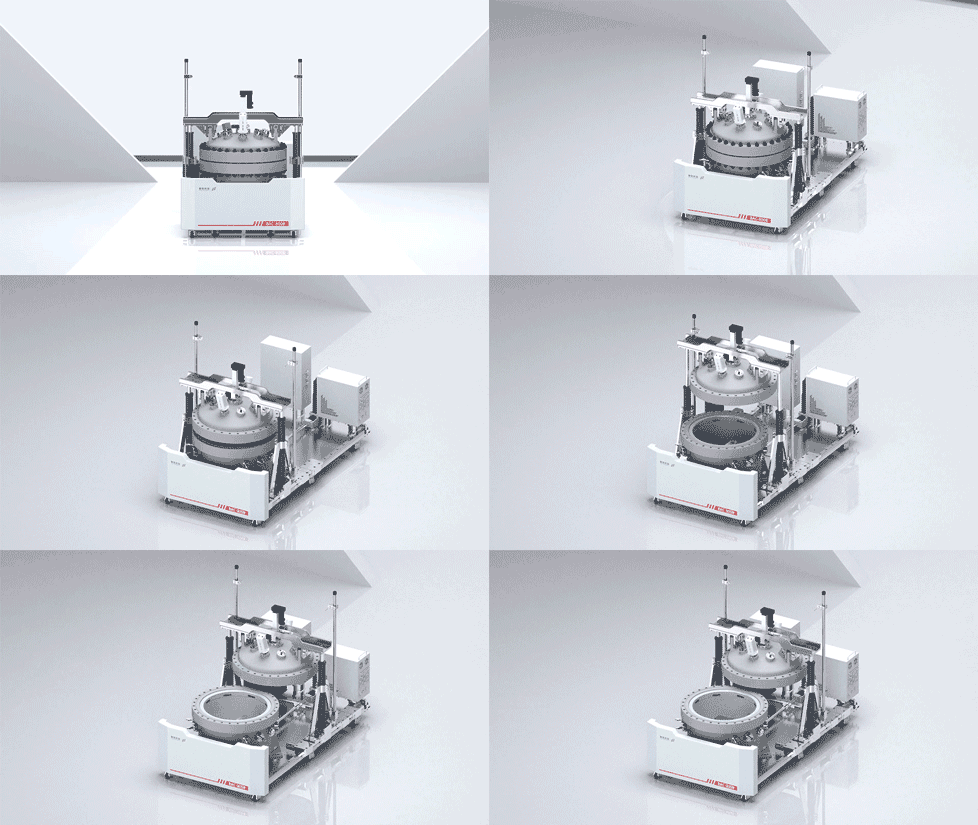
Multi-Point Displacement Monitoring
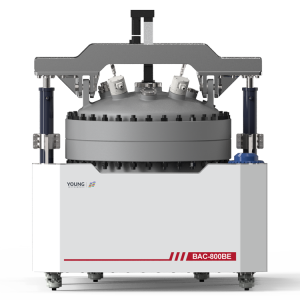
The BAC-800BE sealed system incorporates an automated lid-lifting mechanism with real-time multi-point displacement tracking. Continuous monitoring of lid trajectory and position enables immediate test suspension if jamming or deviation is detected, preventing collision or leakage risks caused by mechanical failure.
For detailed specifications, application notes, or to discuss your specific test protocol, contact us.


