





















DSC vs RSD vs ARC vs Reaction Calorimeter: Which Thermal Hazard Test Fits Each Development Stage?
During fine chemical process development, a process that appears stable at laboratory scale may behave differently during pilot or production-scale operation. Unexpected thermal behavior can make temperature control difficult and cause pressure to rise. These risks often stem from an incomplete understanding of the reaction system’s thermal characteristics.
Process safety assessment for fine chemical reactions requires a systematic evaluation of thermal risks. Four instruments are commonly used for this work: DSC, RSD, ARC, and RC. Each addresses a different safety question. Their test objectives, sample sizes, and data outputs differ, so choosing the right method depends on the material, process, and decision to be made.
Why “Which Instrument Is Best?” Is the Wrong Question
These instruments measure different aspects of thermal risk. DSC helps identify exothermic events in a small sample. RSD provides a faster way to screen reaction conditions while tracking temperature and pressure. ARC evaluates self-heating and pressure development under near-adiabatic conditions. A reaction calorimeter measures heat release and accumulation during normal process operation.
The useful question is: what do you need to know at this stage? Are you comparing materials, checking a reaction under process-like conditions, assessing the consequences of a potential runaway, or designing heat removal for a reactor?
Why the distinction matters
Using a screening result as a final process-safety assessment can leave important questions unanswered. For example, DSC data alone cannot show whether a reactor’s cooling system can remove heat quickly enough during reagent addition. Likewise, a reaction calorimeter study does not replace adiabatic testing when runaway behavior needs to be assessed.
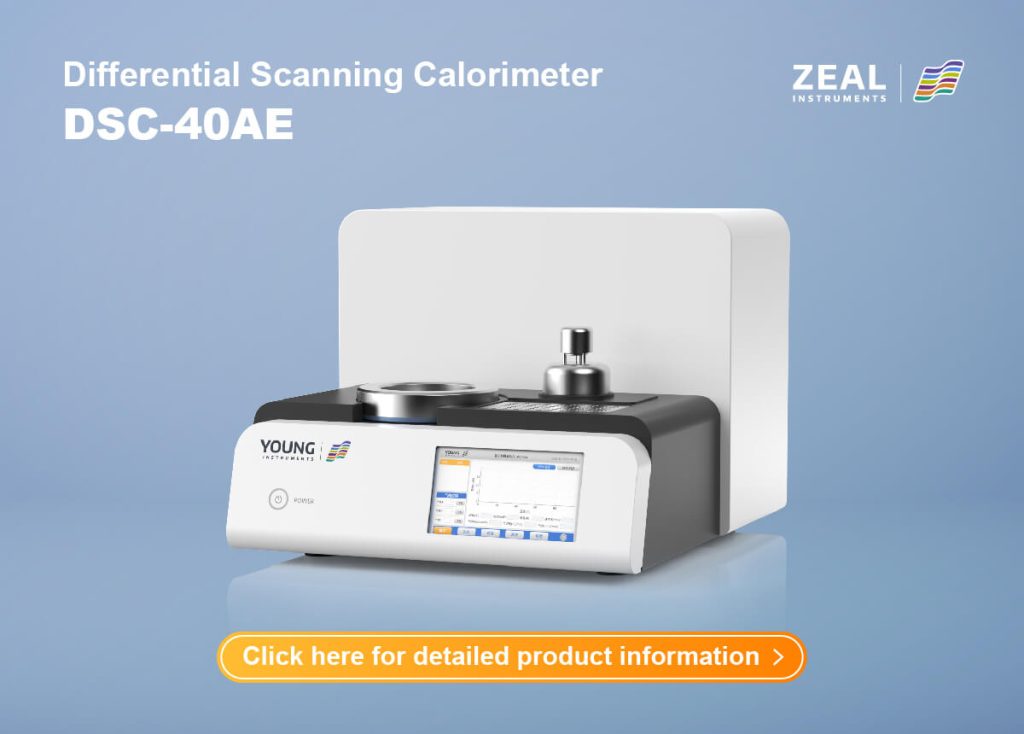
Stage 1: Screen Material Stability with DSC
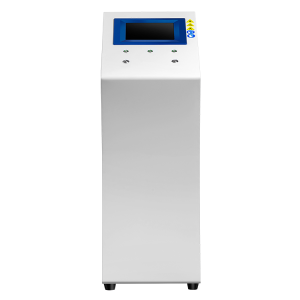
Differential Scanning Calorimetry (DSC) is commonly used early in development because it requires only a small sample and can provide results within a relatively short test cycle. It helps identify the onset of thermal events, measure reaction enthalpy, and compare the thermal behavior of materials or batches.
In a typical test, a milligram-scale sample is placed in a sealed pan and heated at a controlled rate, often within a range of 2–10 °C/min depending on the test method. The instrument measures the heat-flow difference between the sample and a reference. An exothermic event appears as a peak on the heat-flow curve. The onset temperature, extrapolated onset temperature, and peak area can be used to characterize the event under the selected test conditions.
Key DSC data
- Onset and extrapolated onset temperatures (Tonset): Indicate when an observable thermal event begins under the test conditions and help compare the thermal stability of samples.
- Reaction enthalpy (ΔH): Estimates the heat released or absorbed during the measured event.
- Peak shape and temperature: Help compare thermal behavior across samples or formulations.
- Basic thermal properties: DSC can also provide basic thermal-property data when these are included in the test method.
DSC is a screening tool, not a stand-alone measure of process safety. Results depend on factors such as sample size, heating rate, pan type, and test method. A significant exotherm may justify further testing with RSD, ARC, or reaction calorimetry, depending on the question being investigated.
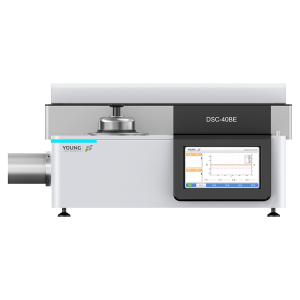
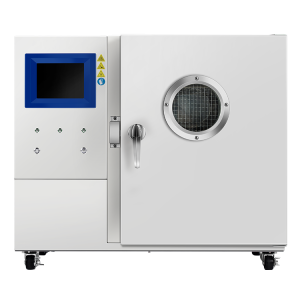
For thermal analysis applications, see the DSC-40BE Differential Scanning Calorimeter.
Stage 2: Screen Process Conditions with RSD
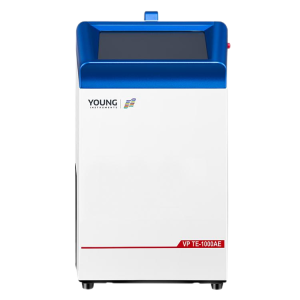
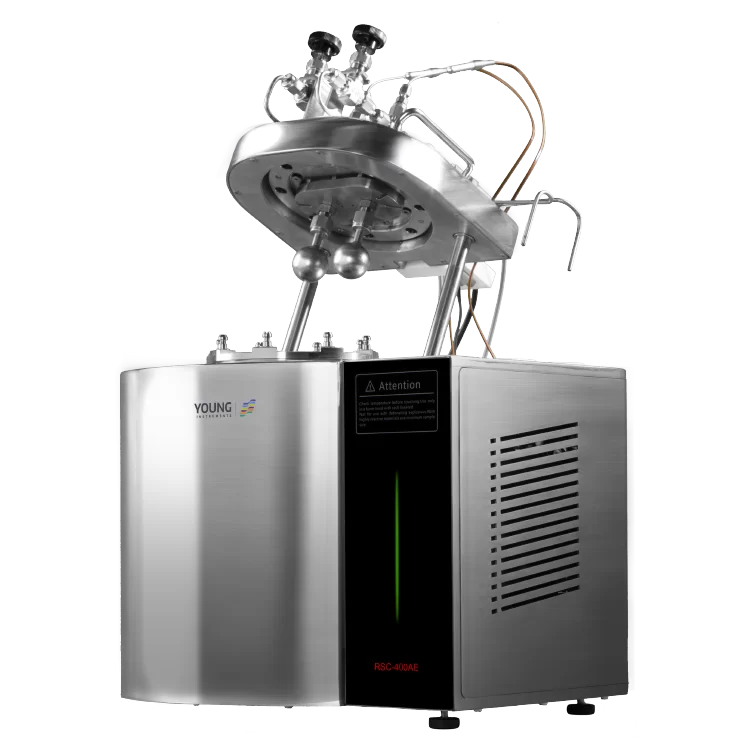
A Rapid Screening Calorimeter (RSD) helps assess whether a reaction system may present exothermic or pressure-related risks under selected process-like conditions. It is useful when several operating conditions need to be compared before a more detailed study is planned.
A gram-scale sample is placed in a sealed test cell. During linear heating or isothermal testing, the instrument records temperature and pressure changes. Compared with DSC, RSD tests a larger sample in a closed environment and can track pressure alongside temperature. Compared with ARC, it is designed for a shorter test cycle and higher screening throughput, making it useful for comparing multiple process conditions.
Key RSD data
- Exotherm onset temperature: Helps identify whether a selected process temperature approaches a region of concern.
- Pressure curve and pressure-rise rate: Show how pressure changes during the test and can inform further assessment of overpressure risk.
- Temperature-pressure relationship: Helps show whether temperature rise is accompanied by a rapid pressure increase.
RSD is primarily a screening method. Its data should not be treated as a quantitative measurement of reaction enthalpy (ΔH). Use DSC or ARC, as appropriate to the test objective, when quantitative heat-release data are needed.
RSD bridges early material screening and more detailed assessment. It can help narrow down the conditions or samples that warrant follow-up, but it does not replace ARC’s assessment of runaway behavior under near-adiabatic conditions.
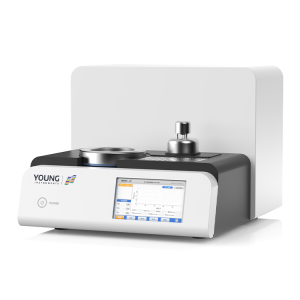
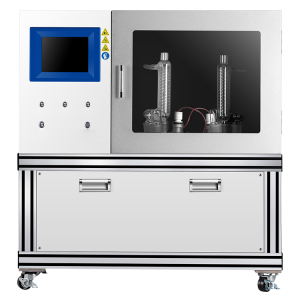
Learn more about the Rapid Screening Calorimeter.
Stage 3: Assess Runaway Consequences with ARC
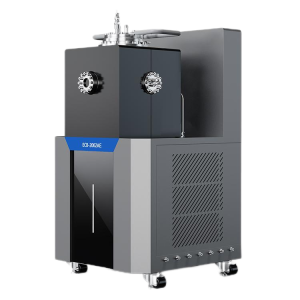
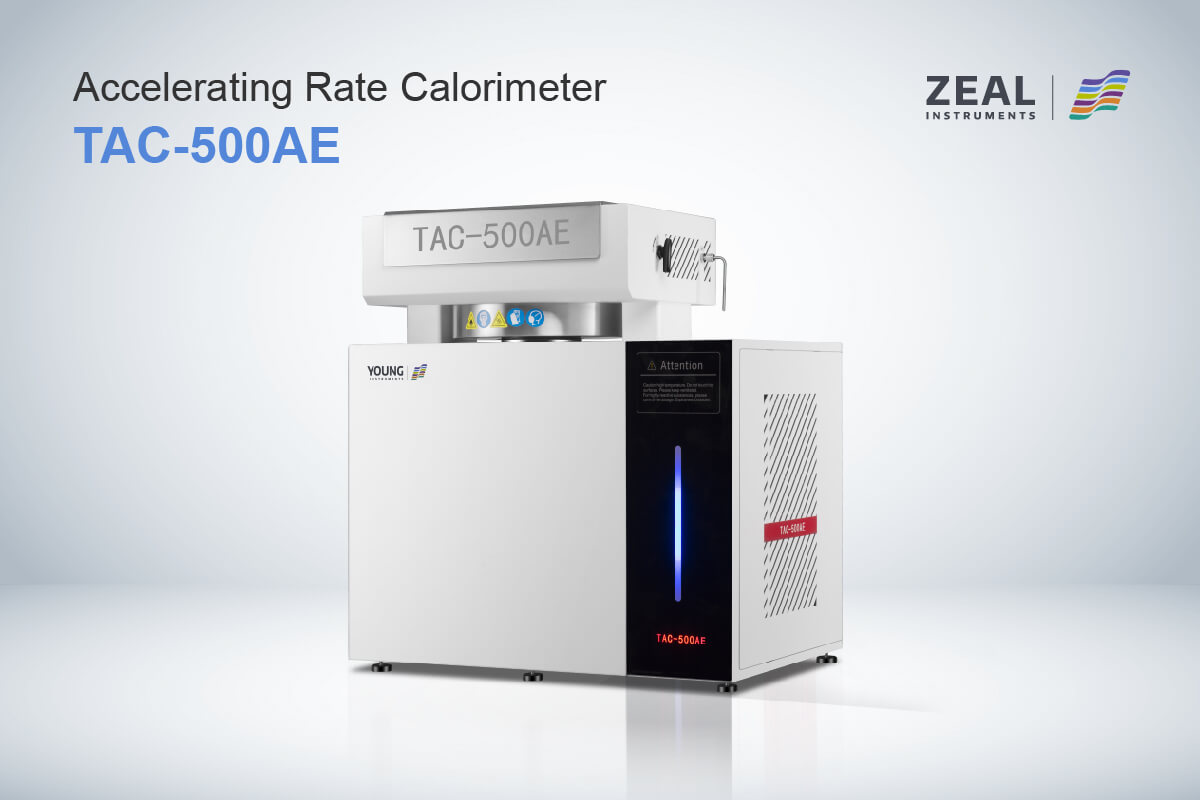
Accelerating Rate Calorimetry (ARC) is used to investigate a sample’s self-heating behavior under near-adiabatic conditions. It can help assess how temperature and pressure may rise during a runaway scenario, how quickly the reaction rate may increase, and how much time may be available for intervention under the defined test conditions. Scenarios such as loss of cooling or agitation can be considered when selecting the test conditions.
ARC commonly uses a heat-wait-search (HWS) sequence. The instrument heats the sample to a selected temperature, allows it to equilibrate, and then searches for self-heating. If self-heating is detected, the instrument follows the sample temperature to maintain near-adiabatic conditions.
Key ARC data
- Adiabatic temperature rise (ΔTad): Indicates the sample’s temperature increase under the tested adiabatic conditions.
- Maximum pressure and pressure-rise rate: Characterize pressure development during the test.
- Self-heating onset temperature: Indicates when detectable self-heating begins under the selected test method.
- Time to maximum rate under adiabatic conditions (TMRad): Helps assess the time available for intervention under the defined test conditions.
ARC data can support assessment of runaway severity, storage conditions, and safety documentation. For assessments intended to characterize runaway consequences, conclusions may be incomplete without ARC data or another suitable adiabatic test. The appropriate method depends on the material, application, and applicable regulatory or engineering requirements.
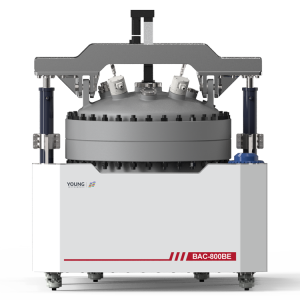
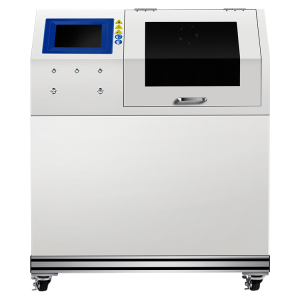
Learn more about the Accelerating Rate Calorimeter.
Stage 4: Measure Process Heat with a Reaction Calorimeter
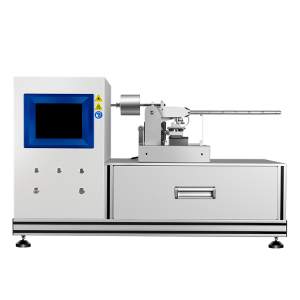
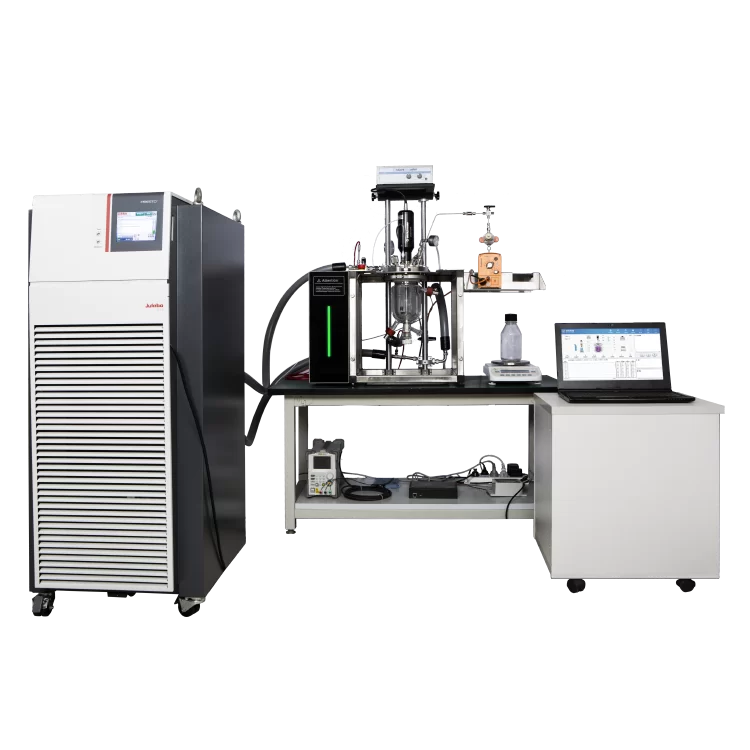
As a process moves toward pilot or production scale, teams need to understand heat release and heat accumulation during normal operation. A reaction calorimeter (RC) uses a stirred, jacketed vessel to study a reaction under controlled process conditions, including dosing or one-time addition where appropriate.
By measuring heat flow and the reaction’s thermal balance over time, RC helps answer process-engineering questions: how much heat is released, when the peak heat-release rate occurs, and whether the available cooling capacity is sufficient for the planned operation.
Key reaction calorimetry data
- Reaction enthalpy (ΔHr): The total heat released by the reaction mixture, reported on the basis used for the study.
- Heat-release rate: Shows how quickly heat is generated and when the maximum rate occurs.
- Heat accumulation: Estimates the portion of released heat that has not yet been removed during the process.
- Cooling performance: Helps assess whether the reactor’s heat-removal system can meet process needs.
- Potential adiabatic temperature rise: Can be considered alongside ARC data to provide a broader view of the reaction system’s thermal risk.
Reaction calorimetry supports process-safety design, cooling-system evaluation, and further engineering calculations. Its results can also serve as an input to pressure-relief design when interpreted alongside the relevant process and safety data. RC data do not, by themselves, characterize the worst-case consequences of a runaway reaction.
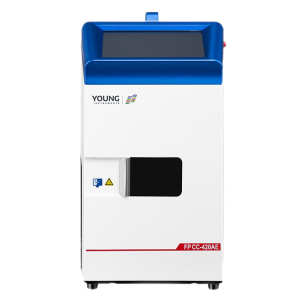
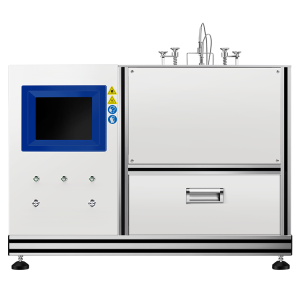
Explore the Reaction Calorimeter.
How the Four Methods Fit Together
A thermal-risk assessment may use more than one technique as a material or process develops. DSC can identify thermal events in small samples. RSD can compare selected reaction conditions while monitoring temperature and pressure. ARC can investigate self-heating and pressure behavior under near-adiabatic conditions. Reaction calorimetry can characterize heat release and accumulation during normal process operation.
The sequence is not identical for every project. Choose tests according to the material, process, scale, and decision to be made. The results from these methods complement one another, but they should not be treated as interchangeable substitutes.
Choosing a Test: Questions to Ask
- Comparing the thermal stability of materials or batches? Start with DSC.
- Screening multiple reaction conditions while tracking pressure? Consider RSD.
- Assessing self-heating, adiabatic temperature rise, pressure development, or TMRad? Consider ARC or another suitable adiabatic test.
- Checking heat release, heat accumulation, or cooling capacity during a process? Use reaction calorimetry.
- Preparing a safety or compliance dossier? Confirm the required test data for the specific material, application, and applicable requirements.
These methods are most useful when selected for the question at hand. A staged test plan can use screening methods to identify where more detailed process or adiabatic assessment is needed.


