





















Choosing a Battery Calorimeter for Cylindrical, Prismatic, Pouch, and Module Testing
Choosing a battery calorimeter starts with the sample you need to test. Cylindrical cells, prismatic cells, pouch cells, and multi-cell modules differ in size, shape, mechanical behavior, and venting characteristics. The chamber, fixture, sensor layout, and test method should match both your current samples and your planned testing needs.
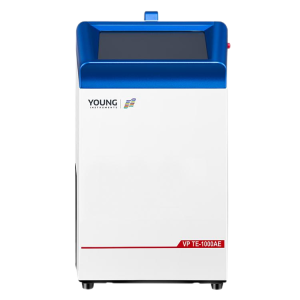
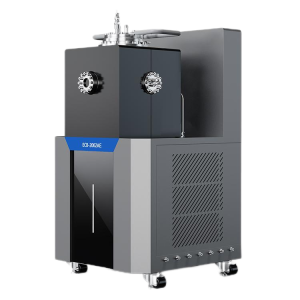
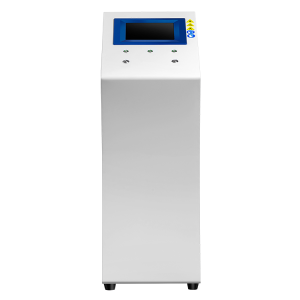
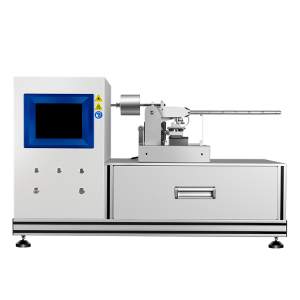
For thermal stability and runaway studies, an Accelerating Rate Calorimeter (ARC) can monitor temperature and pressure under near-adiabatic conditions. When comparing systems, consider the sample dimensions, fixture requirements, test objective, and the data you need from the test.
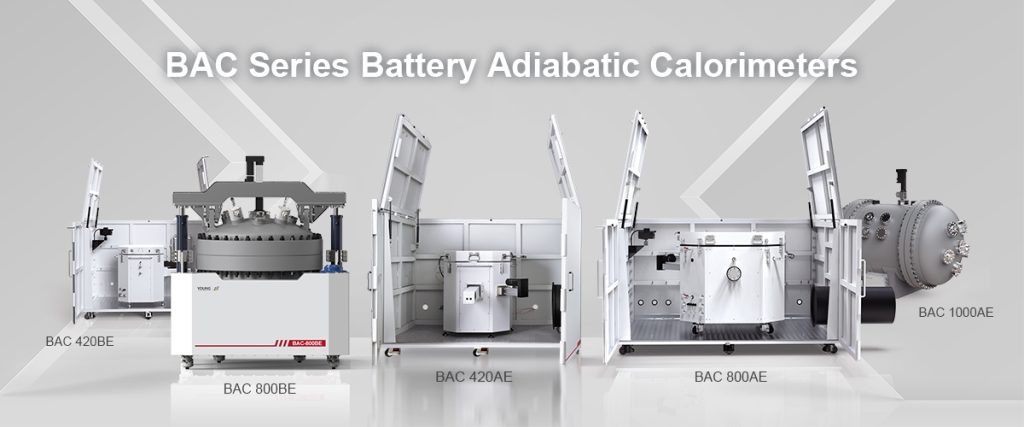
Why Cell Format Affects Calorimeter Selection
Cell format affects more than fixture design. It can influence how a sample is held, where temperature sensors should be placed, how venting is managed, and how heat and pressure changes are interpreted. Before selecting a calorimeter, compare the usable chamber dimensions with the largest cell or module you expect to test.
Cylindrical cells, prismatic cells, and pouch cells also behave differently during swelling and venting. A fixture should hold the sample securely while allowing the relevant behavior to occur without creating unnecessary mechanical constraints. If your testing roadmap includes multiple formats, ask whether the system can accommodate different fixtures and sensor arrangements.
Chamber and Sample Capacity
Check the calorimeter’s usable chamber dimensions against the full sample setup, including the cell, fixture, sensor leads, and any required venting or containment components. A cell that fits by itself may not fit safely once the fixture and sensors are installed.
For module testing, confirm the chamber dimensions and the system’s suitability for the intended sample and test conditions with the manufacturer. Module tests may require additional space for the assembly, sensor placement, and pressure monitoring. Avoid relying on nominal chamber volume alone; request the usable dimensions and sample configuration limits.
Questions to ask before purchase
- What are the usable internal dimensions of the test chamber?
- Which cell sizes and module configurations can the system accommodate?
- Can the fixture be changed for different cell formats?
- How are sensor leads routed and protected during a test?
- What venting, containment, and post-test handling procedures are supported?
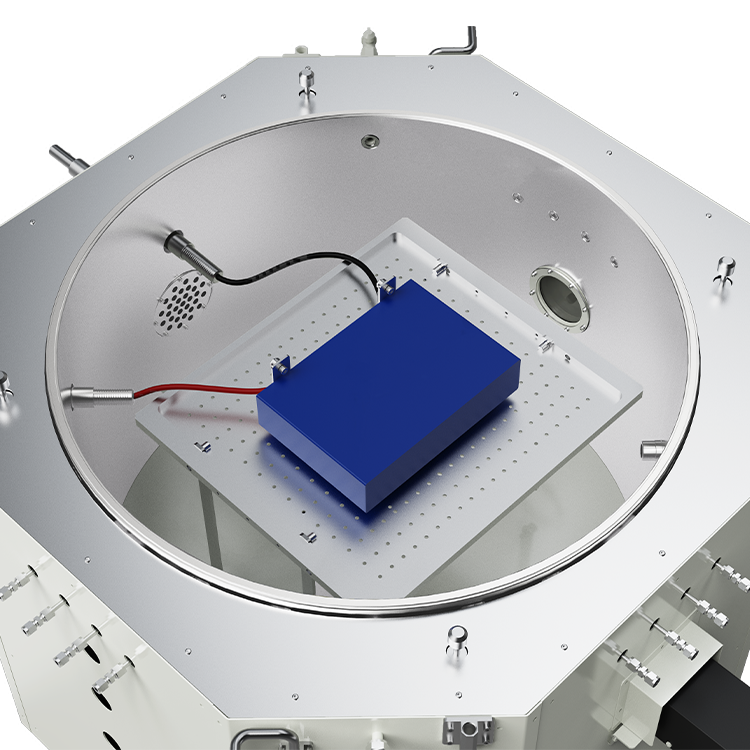
Fixture Requirements by Cell Format
Cylindrical cells
Cylindrical cells are relatively easy to position, but the fixture should keep the cell stable and allow temperature sensors to maintain reliable contact. Because venting can occur through the cell cap, ask how the fixture and sensor arrangement accommodate the expected vent direction.
Prismatic cells
Prismatic cells have flat surfaces that can simplify sensor placement, but their cases may swell during testing. The fixture should provide stable positioning without restricting the cell in a way that could affect its response. Confirm the supported cell dimensions and the recommended clamping approach with the instrument supplier.
Pouch cells
Pouch cells can expand and deform during heating. A rigid fixture may constrain that movement, so ask how the system supports the cell while accommodating swelling. The fixture should also allow sensor placement without damaging or excessively compressing the pouch.
Module Testing and Sensor Coverage
Module-level testing can help researchers study how a thermal event in one cell affects neighboring cells. The number and placement of sensors should match the questions the test is intended to answer. A single temperature measurement may not capture temperature differences across a multi-cell assembly.
Ask the supplier about available temperature and pressure channels, sensor placement options, data acquisition rates, and the maximum supported test configuration. Confirm that these capabilities meet your test plan rather than relying on a general description of the instrument.
What ARC Measures in Battery Thermal Testing
An Accelerating Rate Calorimeter (ARC) uses near-adiabatic conditions to study a battery sample’s self-heating behavior. It can record temperature and pressure as the sample is heated and, if an exothermic event occurs, as the instrument follows the sample’s temperature rise.
ARC data can help characterize thermal stability and the progression of a thermal event. The exact results depend on cell chemistry, state of charge, sample condition, test settings, and the definitions used in the test report.
The heat-wait-search method
ARC testing commonly uses a heat-wait-search (HWS) sequence:
- Heat: The instrument raises the sample to a selected temperature.
- Wait: The system allows the sample and calorimeter to approach thermal equilibrium.
- Search: The heater stops supplying heat while the instrument monitors the sample for self-heating.
If the measured heating rate exceeds the selected detection sensitivity, the instrument detects an exothermic event and follows the sample under near-adiabatic conditions. If no self-heating is detected, the system advances to the next temperature step and repeats the sequence until the test endpoint is reached or an event is detected.
Thermal runaway stages to consider
Battery thermal runaway involves a series of reactions that may include SEI decomposition, reactions between the electrolyte and anode, separator melting, electrode and electrolyte decomposition, gas generation, and combustion. The sequence and temperatures vary by cell design and test conditions. The ranges below are indicative and should not be treated as universal thresholds.
- Below 0°C — low-temperature lithium plating: Charging at low temperature may promote lithium plating and dendrite formation, which can contribute to side reactions and safety risks.
- Approximately 0°C to 90°C — operation and heat accumulation: Electrochemical reactions and electrical losses generate heat. Poor heat dissipation or abnormal operating conditions may cause heat to accumulate.
- Approximately 90°C to 220°C — self-heating and reaction development: Side reactions may accelerate and release additional heat. Separator softening or melting can contribute to internal short circuits.
- Above approximately 220°C — rapid thermal runaway and venting: Rapid exothermic reactions can increase temperature and pressure, leading to gas release, venting, or cell rupture.
Key ARC Data for Battery Evaluation
Depending on the test method and reporting convention, ARC testing may provide parameters such as:
- T0 — self-heating onset temperature: The temperature at which self-heating is detected using the selected sensitivity threshold.
- T1 — abnormal heat-generation onset temperature: A characteristic temperature defined by the test protocol.
- TV — venting temperature: The temperature associated with a detected venting event, if measured.
- T2 — thermal runaway trigger temperature: A characteristic temperature used by the test protocol to identify rapid runaway development.
- Tmax — maximum temperature: The highest temperature recorded during the test.
- (dT/dt)max — maximum temperature-rise rate: The highest measured rate of temperature increase.
- (dP/dt)max — maximum pressure-rise rate: The highest measured rate of pressure increase.
Parameter names can vary between test methods and reports. Confirm how T0, T1, T2, and TV are defined before comparing results across laboratories or cell types.
Curves generated during testing
ARC testing may also produce time-based curves, including temperature, voltage, and time; gas pressure and time; gas generation and time; and gas-generation rate and time. Reviewing these curves together can help show how self-heating, pressure changes, and venting relate to one another.
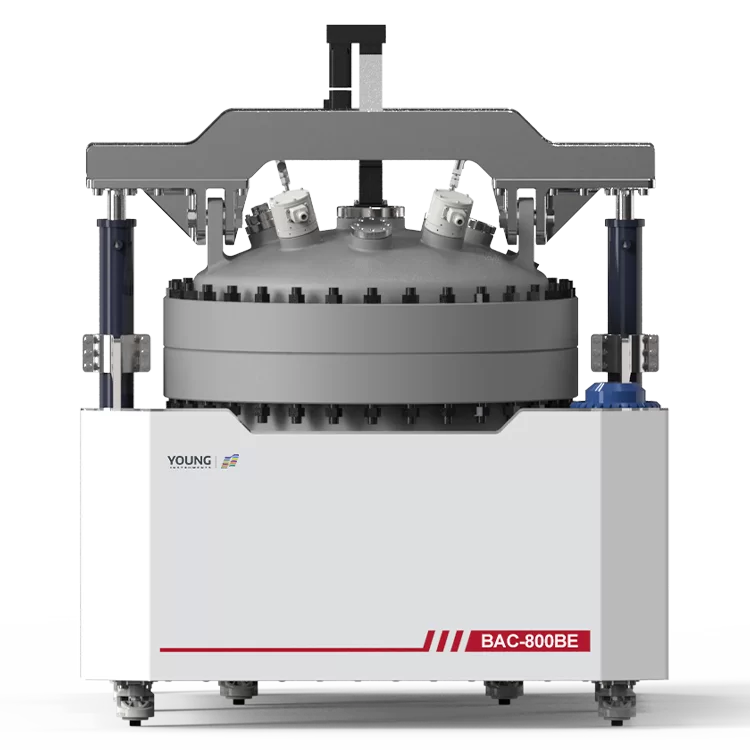
Match the System to Your Testing Roadmap
A lab focused on one cell format may prioritize a fixture optimized for that sample. A lab expecting to test cylindrical, prismatic, pouch, and module configurations should confirm chamber capacity, fixture options, sensor channels, and the range of supported test conditions before selecting a system.
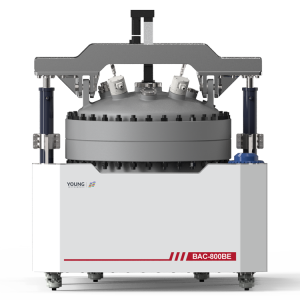
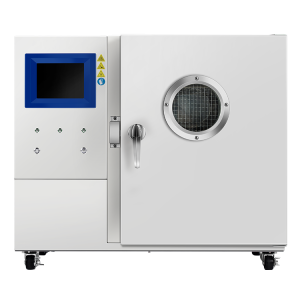
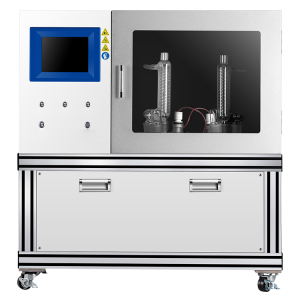
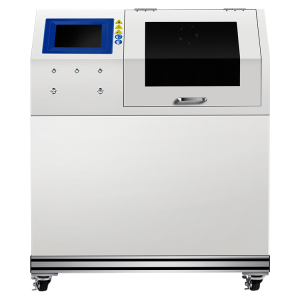
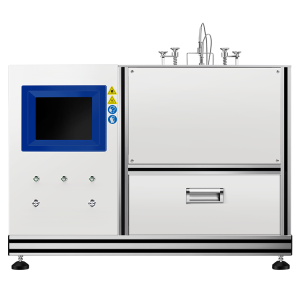
For large battery adiabatic testing, review the BAC-800BE Large Battery Adiabatic Calorimeter. Contact Zeal Instruments with your cell or module dimensions, sample configuration, and required data to confirm system suitability.


