



















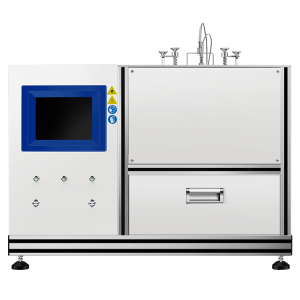






DSC vs. ARC for Material Thermal Stability and Reaction Safety
DSC and ARC answer different safety questions. DSC screens materials for exothermic events under a programmed temperature scan. ARC follows self-heating under near-adiabatic conditions and provides the time and pressure information needed to assess an upset scenario. They are complementary: DSC decides what needs deeper testing; ARC characterizes how an escalation would develop.
DSC shows the heat-flow response during a programmed temperature scan. ARC follows self-heating under near-adiabatic conditions and can record pressure when the setup supports it. A fine-chemical team can use the DSC result to decide which materials and scenarios warrant the ARC test, not as a substitute for it.
DSC vs. ARC at a glance
| Decision | DSC | ARC |
|---|---|---|
| Which samples need investigation? | Screens small samples for thermal events, apparent onset, peak and heat per unit mass | Follows selected samples through self-heating to characterize how quickly an event develops |
| What is measured? | Heat-flow difference between sample and reference during the temperature program | Temperature versus time and, with suitable instrumentation, pressure versus time |
| What shapes the result? | Heating rate, sample mass, pan, atmosphere, baseline and composition | Thermal inertia, search threshold, equilibration, vessel, tracking performance and sample composition |
| Typical role | Rapid screening | Adiabatic characterization |
ARC onset temperatures are often lower than DSC onsets for the same material, because ARC is more sensitive to slow self-heating and operates under near-adiabatic conditions. The difference is a result of the test method, not a measurement error.
Use DSC to build a screening map
Screen the materials present where the process can actually accumulate heat: raw materials, intermediates, wet solids, mother liquors and concentrated residues. For a heterogeneous slurry, document how it was mixed and subsampled. A few milligrams taken from the wrong phase can hide the event that matters.
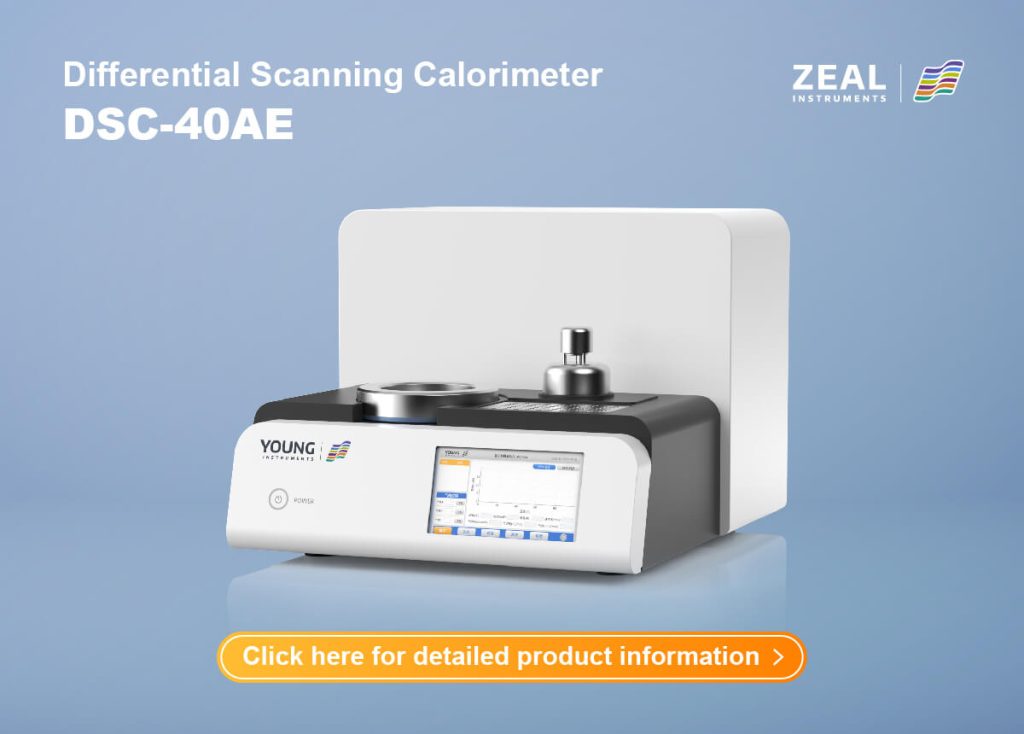
Record the heating rate, sample mass, pan type, atmosphere and onset definition. Where the chemistry or volatility warrants it, choose a compatible containment configuration and evaluate whether additional heating rates or isothermal tests would help resolve overlapping or slow events. A DSC onset belongs to its measurement conditions; temperature, exposure time and the consequences of a cooling failure require separate consideration. ASTM E537-24 is the current DSC thermal stability method.
Use ARC to characterize an escalation scenario
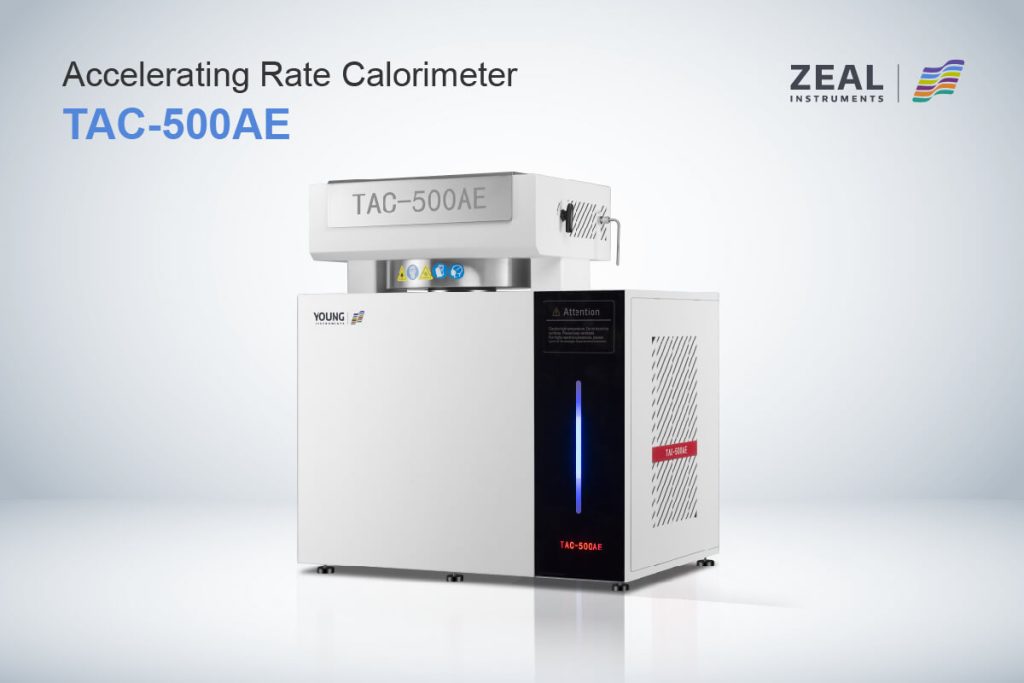
In a heat–wait–search (HWS) run, the system heats in steps, allows the sample to approach equilibrium and looks for a temperature rise above a defined threshold. After detection, the chamber tracks the sample temperature to reduce heat exchange. The temperature and pressure histories support estimates of self-heating rate, adiabatic temperature rise and the time available for intervention, subject to the test and model assumptions.
The sample vessel absorbs some of the released heat. The thermal inertia factor, φ, expresses the ratio of the effective heat capacity of the sample and vessel to that of the sample alone. An appropriate correction helps estimate the sample-only adiabatic response. State the correction method and assumptions. If the instrument loses tracking during a rapid event, report that limitation separately from the thermal inertia correction. ASTM E1981-26 is the current ARC guide.
TMRad, TD24 and MTSR
- TMRad is the estimated time to the maximum reaction rate from a specified starting temperature under adiabatic conditions.
- TD24 is the starting temperature at which that estimate is 24 hours for the sample and kinetic model in question.
- MTSR, the maximum temperature of the synthesis reaction under a defined failure scenario, comes from the process heat balance and accumulated reaction potential; reaction calorimetry and process data help estimate it.
These parameters require adiabatic data. A DSC screening result alone does not provide TMRad, TD24 or a defensible process hazard rating. For work in China, review both AQ 3062-2025 and GB/T 42300-2022, which explicitly require thermal stability analysis and reaction risk assessment for fine-chemical processes.
Build the test plan around the decision
Start with DSC for a material inventory or formulation comparison. Add near-adiabatic testing when the decision depends on self-heating, pressure or the time scale of an upset. For scale-up, combine thermal stability results with reaction calorimetry and process engineering inputs. Use a dedicated relief assessment where the process may generate pressure.
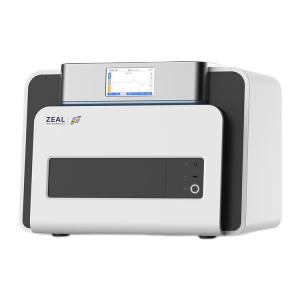
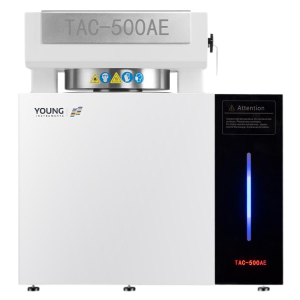
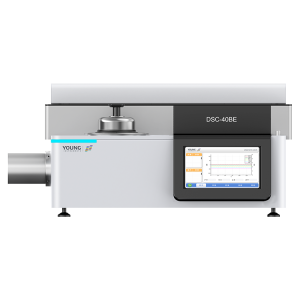
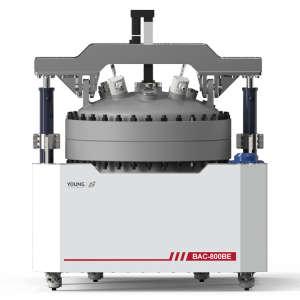
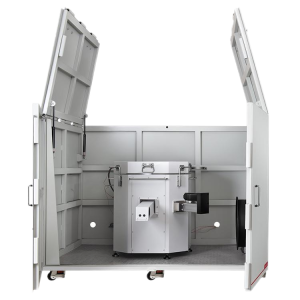
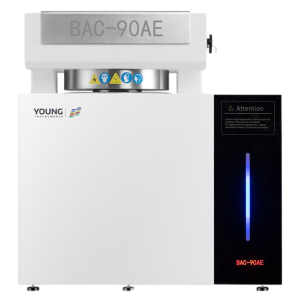
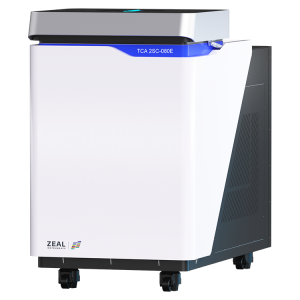
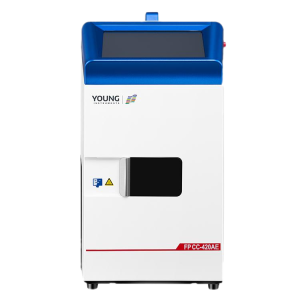
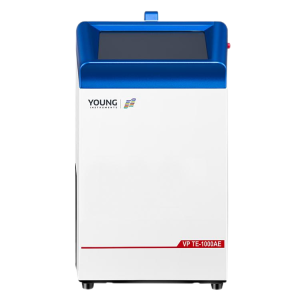
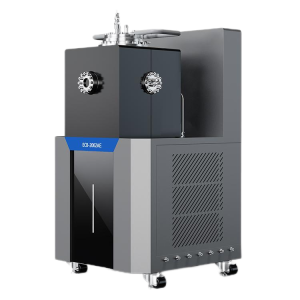
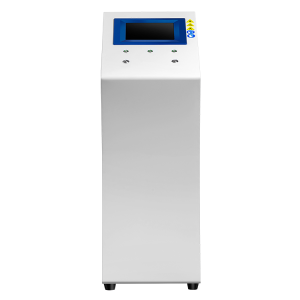
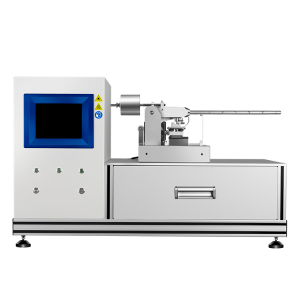
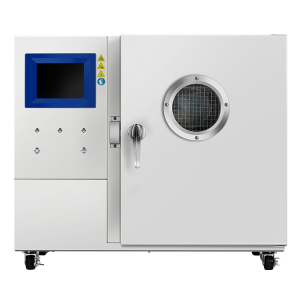
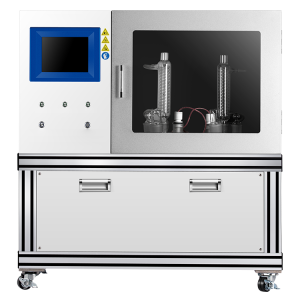
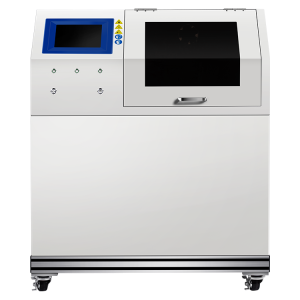
Review the DSC-40BE differential scanning calorimeter, the TAC-500AE accelerating rate calorimeter and Zeal’s guide to calorimetry methods across development stages.


