





















ASTM 4809: Understanding the Standard for Polyethylene Film Used in Greenhouse Applications
If you work in the fuel industry, you’ve likely heard of ASTM D4809. This standard test method is used to determine the heat of combustion of liquid hydrocarbon fuels. The test method has been around since 1988 and is regularly updated to reflect changes in the industry and technology.
The scope of ASTM D4809 is broad. It applies to all petroleum products with flash points above 79 °C (175 °F) and below 400 °C (752 °F) except fuel oils. The test method is directly applicable to fuels such as gasolines, kerosines, Nos. 1 and 2 fuel oil, Nos. 1-D and 2-D diesel fuel, and Nos. 0-GT, 1-GT, and 2-GT gas turbine fuels.
Key Takeaways
- ASTM D4809 is a standard test method used to determine the heat of combustion of liquid hydrocarbon fuels.
- The scope of ASTM D4809 is broad and applies to most petroleum products with flash points above 79 °C (175 °F) and below 400 °C (752 °F) except fuel oils.
- The test method is directly applicable to fuels such as gasolines, kerosines, Nos. 1 and 2 fuel oil, Nos. 1-D and 2-D diesel fuel, and Nos. 0-GT, 1-GT, and 2-GT gas turbine fuels.
Scope of ASTM 4809
If you are in the aviation industry, you may have heard of ASTM 4809. This test method is specifically designed to determine the heat of combustion of hydrocarbon fuels, with a permissible difference between duplicate determinations of approximately 0.2%.
ASTM 4809 is a bomb calorimeter test that measures the heat of combustion of liquid hydrocarbon fuels. It is under the jurisdiction of ASTM Committee D02 on Petroleum Products and Lubricants and is the direct responsibility of Subcommittee D02.05 on Petroleum, Coke, and Carbon Materials.
This test method is applicable to aviation turbine fuels and other liquid hydrocarbon fuels that conform to the specifications for aviation turbine fuels. It is not intended for use with fuels that contain appreciable amounts of materials other than hydrocarbons and is not applicable to fuels containing an alcohol or ester as the primary component or to pure hydrocarbons such as n-heptane or iso-octane.
In summary, ASTM 4809 is an important test method for the aviation industry to ensure the quality and safety of hydrocarbon fuels used in aviation turbine engines.
Test Methods
Sample Preparation
Before conducting the ASTM 4809 test, you need to prepare the sample by filtering it through a fine mesh to remove any impurities or debris. The sample should be free of water and air bubbles, as these can affect the accuracy of the test results. The sample should also be at room temperature to ensure consistency in the test results.
Testing Procedure
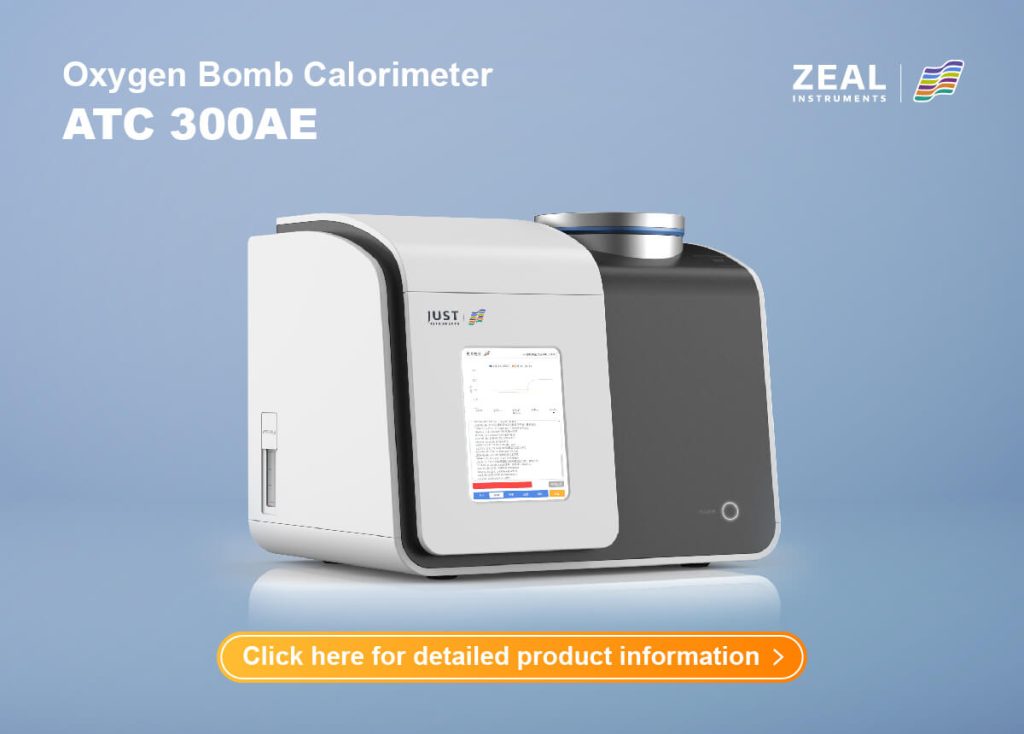
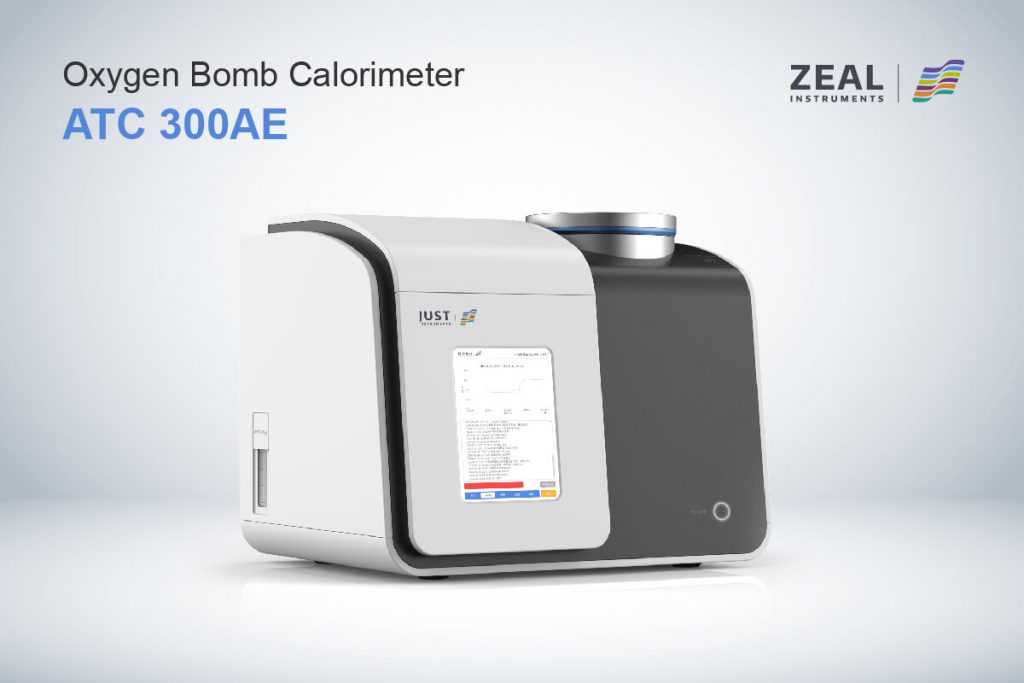
To conduct the ASTM 4809 test, you will need a bomb calorimeter, which is a device that measures the heat of combustion of a fuel. The sample is placed in a bomb calorimeter, which is then sealed and pressurized with oxygen. The sample is then ignited, and the heat of combustion is measured as the temperature of the water in the calorimeter rises.
Data Analysis
Once the test is complete, you will need to calculate the heat of combustion of the sample. This is done by measuring the temperature rise of the water in the calorimeter and using this value to calculate the heat of combustion of the sample. The heat of combustion can be expressed in different units, such as joules per gram or calories per gram.
The ASTM 4809 test is a reliable method for determining the heat of combustion of liquid hydrocarbon fuels. By following the proper sample preparation, testing procedure, and data analysis steps, you can obtain accurate and consistent test results.
Performance Criteria
When evaluating liquid hydrocarbon fuels, it is essential to ensure that they meet certain performance criteria. ASTM D4809 specifies the minimum performance criteria for aviation gasoline, which includes the following:
Octane Rating
The octane rating is a measure of a fuel’s ability to resist “knocking,” which is a type of engine knock that can occur when the fuel ignites too early in the combustion cycle. The higher the octane rating, the better the fuel is at resisting knocking. ASTM D4809 specifies minimum octane ratings for various grades of aviation gasoline, including 80/87, 91/98, 100/130, and 100/130LL.
Heat of Combustion
The heat of combustion is the amount of heat released when a fuel is burned. ASTM D4809 specifies a minimum heat of combustion for aviation gasoline of 42.8 megajoules per kilogram (MJ/kg).
Lead Content
Lead is a harmful substance that can damage the environment and human health. ASTM D4809 specifies a maximum lead content of 0.56 grams per liter (g/L) for aviation gasoline.
Sulfur Content
Sulfur is a component of many liquid hydrocarbon fuels, but it can contribute to air pollution when burned. ASTM D4809 specifies a maximum sulfur content of 0.003% by weight for aviation gasoline.
Vapor Pressure
The vapor pressure of a fuel is a measure of its tendency to evaporate. ASTM D4809 specifies maximum vapor pressures for various grades of aviation gasoline, including 7.0 pounds per square inch (psi) for 80/87 and 91/98, and 9.0 psi for 100/130 and 100/130LL.
Ensuring that liquid hydrocarbon fuels meet these performance criteria is critical for maintaining the safety and efficiency of aviation operations. By adhering to the standards set forth in ASTM D4809, fuel manufacturers and distributors can help ensure that aviation gasoline meets the highest possible quality standards.
Safety and Handling
When handling liquid hydrocarbon fuels, safety should always be a top priority. ASTM D4809 provides important guidelines for the safe handling and use of these fuels. Here are some key points to keep in mind:
Storage
When storing liquid hydrocarbon fuels, it is important to follow proper storage procedures to ensure safety. Keep the fuel away from sources of heat and ignition, and store it in a cool, dry place. Make sure that the storage containers are properly labeled and secured to prevent spills or leaks.
Handling
When handling liquid hydrocarbon fuels, it is important to wear appropriate personal protective equipment (PPE) such as gloves, goggles, and a respirator. Avoid skin contact and inhalation of fumes. If contact with the skin occurs, wash the affected area immediately with soap and water.
Transportation
When transporting liquid hydrocarbon fuels, make sure that the containers are properly labeled and secured to prevent spills or leaks. Always transport the fuel in a well-ventilated vehicle, and avoid smoking or using open flames in the vicinity of the fuel.
In summary, safe handling and use of liquid hydrocarbon fuels are essential to prevent accidents and injuries. By following the guidelines set forth in ASTM D4809, you can help ensure the safety of yourself and those around you.
Reference Documents
When it comes to understanding ASTM D4809, it’s important to know the reference documents that are associated with it. These documents are used to provide context and clarity to the standard test method. Here are some of the most important reference documents that you should be aware of:
ASTM Standards
ASTM D4809 references a number of ASTM standards that are related to liquid hydrocarbon fuels. These standards cover a wide range of topics, from the measurement of density and viscosity to the determination of flash point and sulfur content. Some of the most commonly referenced ASTM standards include:
- ASTM D1298: Standard Test Method for Density, Relative Density, or API Gravity of Crude Petroleum and Liquid Petroleum Products by Hydrometer Method
- ASTM D445: Standard Test Method for Kinematic Viscosity of Transparent and Opaque Liquids (and Calculation of Dynamic Viscosity)
- ASTM D93: Standard Test Methods for Flash Point by Pensky-Martens Closed Cup Tester
- ASTM D4294: Standard Test Method for Sulfur in Petroleum and Petroleum Products by Energy Dispersive X-ray Fluorescence Spectrometry
Annual Book of ASTM Standards
The Annual Book of ASTM Standards is a comprehensive collection of the latest ASTM standards, including those related to liquid hydrocarbon fuels. This book is updated annually and contains the latest revisions and updates to the standards. The book is divided into several volumes, each covering a different area of interest. ASTM D4809 is included in Volume 05.01, which covers Petroleum Products, Lubricants, and Fossil Fuels.
Other Reference Documents
In addition to the ASTM standards and the Annual Book of ASTM Standards, there are other reference documents that are associated with ASTM D4809. These documents include research reports, technical papers, and other publications that provide additional information and context to the standard test method. Some of these documents are available online, while others may need to be obtained from a library or other source.
Overall, understanding the reference documents that are associated with ASTM D4809 is an important part of understanding the standard test method. By familiarizing yourself with these documents, you can gain a deeper understanding of the test method and its applications.


