





















Energetic Material
Energetic materials are used in defense, aerospace, mining, pyrotechnics, automotive safety systems, and specialized industrial applications where controlled energy release is required. Because these materials may contain high stored chemical energy, even minor changes in formulation, particle size, binder system, impurity level, moisture content, storage condition, or processing route can affect their thermal stability, sensitivity, heat release behavior, and long-term safety.
Zeal Instruments provides energetic material safety testing solutions for research laboratories, manufacturers, testing institutes, and quality control teams. Our application-focused solutions help users evaluate thermal decomposition behavior, self-heating risk, combustion heat, gas generation, pressure rise, and process-related hazards, supporting safer material development, formulation comparison, process optimization, and compliance-oriented safety assessment.
Safety Challenges in Energetic Material Development
Energetic materials may include explosives, propellants, pyrotechnic compositions, energetic binders, oxidizer-containing systems, gas-generating materials, and other high-energy chemical systems. Their safety performance is affected by both chemical composition and physical condition. A material that appears stable under normal conditions may still present risks under heat exposure, confinement, mechanical stress, aging, contamination, or scale-up processing.
For this reason, energetic material safety assessment usually requires more than one test method. A complete evaluation may include thermal stability screening, decomposition heat measurement, adiabatic runaway analysis, combustion heat testing, compatibility studies, and process safety evaluation. These data help technical teams understand whether a formulation is suitable for further development, whether storage and handling conditions are appropriate, and whether additional risk control measures are needed before scale-up or application.
Thermal Stability and Decomposition Testing
Thermal stability is one of the most important indicators in energetic material evaluation. Testing can help identify onset temperature, decomposition peak temperature, heat release, thermal transition behavior, and potential exothermic reactions. These parameters are useful for comparing different formulations, checking batch consistency, evaluating stabilizer performance, and understanding aging or storage effects.
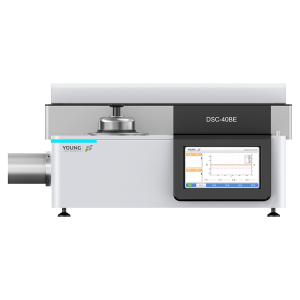
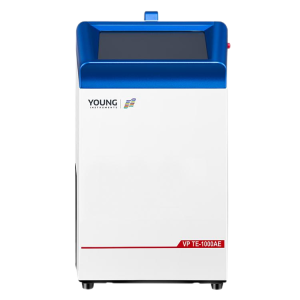
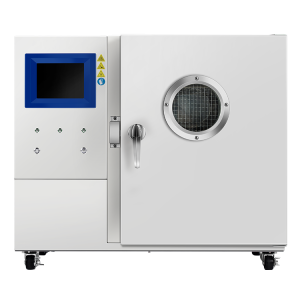
A Differential Scanning Calorimeter (https://www.zealinstruments.com/product/differential-scanning-calorimeter/) can be used for small-sample thermal screening. DSC testing helps laboratories observe melting, phase transition, crystallization, decomposition, and exothermic reaction behavior under controlled heating conditions. For energetic material research, DSC is often used as an early-stage method to compare thermal stability and identify samples that require further hazard analysis.
Self-Heating and Thermal Runaway Risk Assessment
Some energetic materials may generate heat faster than it can be dissipated, especially under confinement or poor heat-transfer conditions. This can lead to self-heating, pressure rise, or thermal runaway. Understanding these risks is important for storage design, process safety, transport evaluation, and emergency risk analysis.
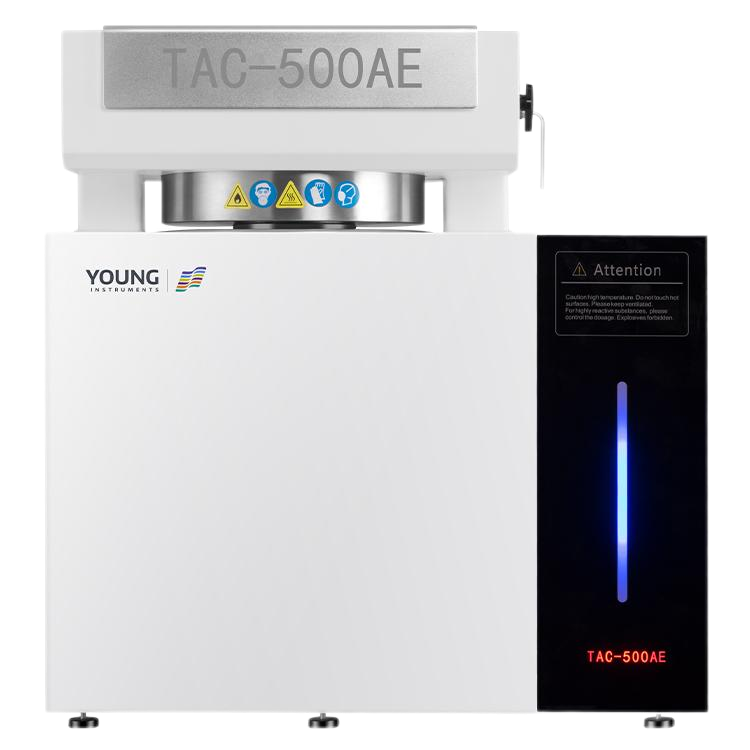
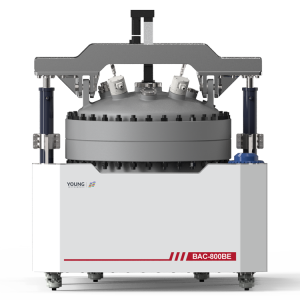
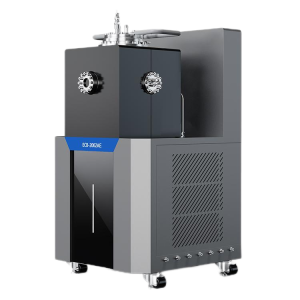
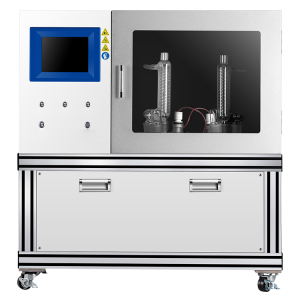
An Accelerating Rate Calorimeter (https://www.zealinstruments.com/product/accelerating-rate-calorimeter/) supports adiabatic or near-adiabatic thermal hazard testing. It can help evaluate self-heating onset, adiabatic temperature rise, pressure generation, and runaway severity. These data provide important insight into worst-case thermal behavior and help teams define safer operating, storage, and handling limits.
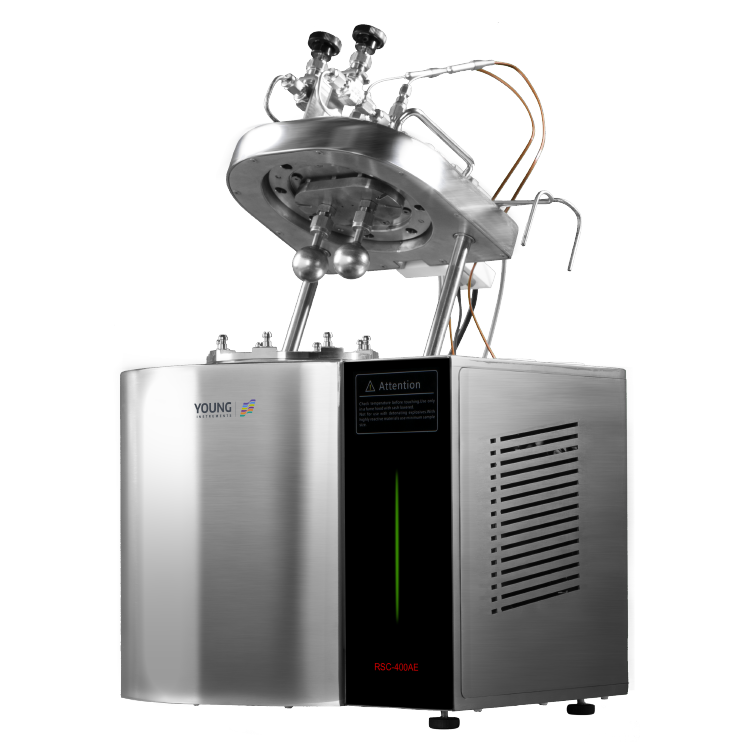
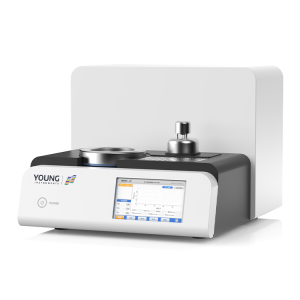
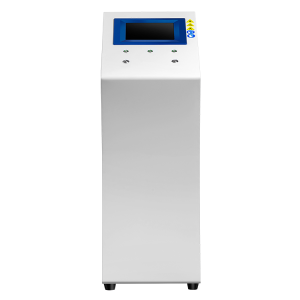
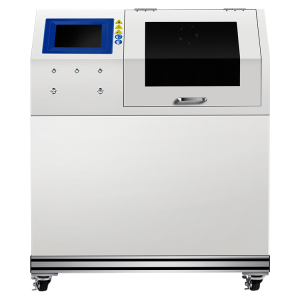
For early hazard screening, a Rapid Screening Calorimeter (https://www.zealinstruments.com/product/rapid-screening-calorimeter/) can be used to quickly evaluate reaction onset temperature, exothermic temperature rise, heat release, and gas generation. This is useful when laboratories need to compare multiple samples or identify potentially hazardous formulations before conducting more detailed calorimetric testing.
Heat Release, Combustion and Process Safety Evaluation
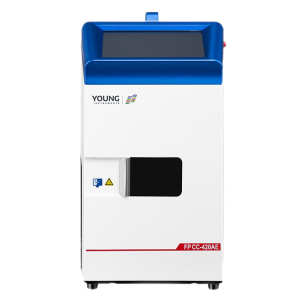
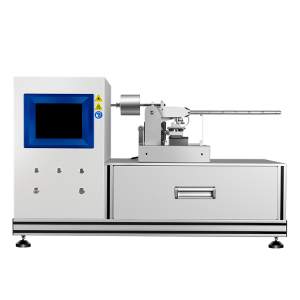
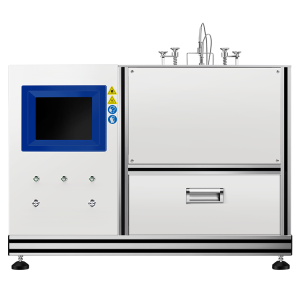
Energetic material applications often require data related to energy content and combustion heat. An Oxygen Bomb Calorimeter (https://www.zealinstruments.com/product/oxygen-bomb-calorimeter/) can support calorific value and combustion heat measurement for suitable solid or liquid samples under controlled laboratory conditions. These results may help compare energetic performance, evaluate raw material consistency, or support internal technical documentation.
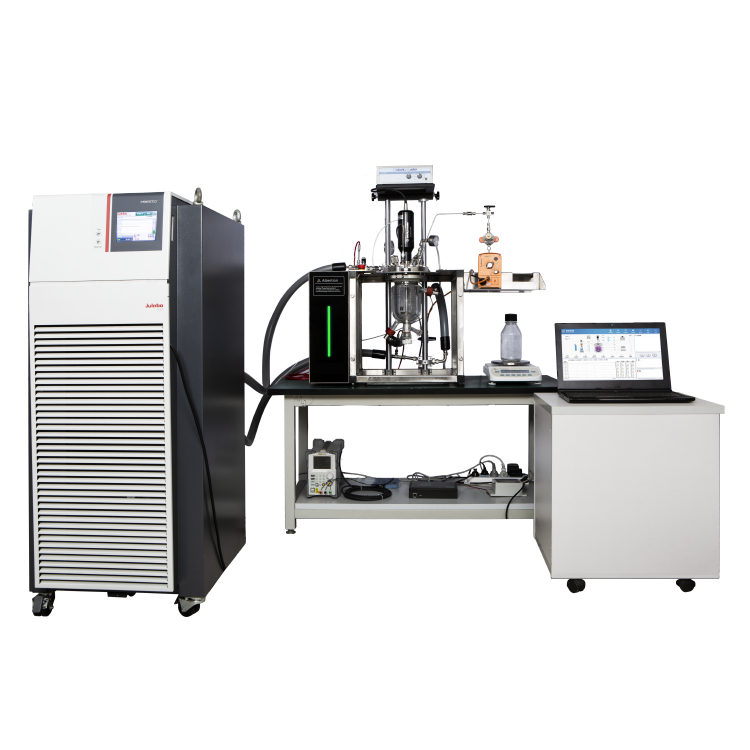
When energetic materials or energetic intermediates are involved in synthesis, modification, or scale-up, process heat data becomes especially important. A Reaction Calorimeter (https://www.zealinstruments.com/product/reaction-calorimeter/) can help measure heat release, dosing effects, temperature behavior, and reaction safety parameters under laboratory-scale process conditions. This supports safer process design, optimization, and scale-up decision-making.
Supporting Standards and Compliance-Oriented Testing
Energetic material testing may support internal safety management, customer qualification, third-party testing, or classification work related to dangerous goods and physical hazards. Depending on the material type and intended application, test data may be referenced against frameworks such as the UN Manual of Tests and Criteria, GHS-related physical hazard classification, and applicable industry or local regulatory requirements.
Zeal Instruments helps laboratories build testing workflows that match their application needs. Instead of relying on a single instrument, users can combine DSC, ARC, rapid screening calorimetry, reaction calorimetry, and oxygen bomb calorimetry to obtain a more complete understanding of material behavior. This multi-method approach helps identify unsafe formulations earlier, reduce development risk, improve testing reliability, and support safer use of energetic materials in research and industrial applications.
Recommended Zeal Testing Solutions for Energetic Materials
For energetic material safety assessment, Zeal can support different testing objectives with suitable instruments:
Thermal stability screening: Differential Scanning Calorimeter
https://www.zealinstruments.com/product/differential-scanning-calorimeter/
Self-heating and thermal runaway evaluation: Accelerating Rate Calorimeter
https://www.zealinstruments.com/product/accelerating-rate-calorimeter/
Fast reaction hazard screening: Rapid Screening Calorimeter
https://www.zealinstruments.com/product/rapid-screening-calorimeter/
Process heat and scale-up safety evaluation: Reaction Calorimeter
https://www.zealinstruments.com/product/reaction-calorimeter/
Combustion heat and calorific value testing: Oxygen Bomb Calorimeter
https://www.zealinstruments.com/product/oxygen-bomb-calorimeter/
For more related instruments, explore Zeal’s Thermal Analysis and Calorimetry solutions:
https://www.zealinstruments.com/products/thermal-analysis-and-calorimetry/
Contact Zeal Instruments to discuss energetic material safety testing requirements, suitable instrument selection, and application-specific testing solutions for your laboratory or industrial project.
FAQ
Energetic material safety testing evaluates thermal stability, decomposition behavior, heat release, gas generation, pressure rise, combustion characteristics, and other safety-related properties of high-energy materials.
Testing may apply to explosives, propellants, pyrotechnic compositions, energetic binders, oxidizer-containing systems, gas-generating materials, and related high-energy chemical systems.
Common instruments include DSC for thermal stability screening, ARC for adiabatic runaway analysis, rapid screening calorimeters for early hazard evaluation, reaction calorimeters for process safety studies, and oxygen bomb calorimeters for combustion heat measurement.
Yes. Zeal Instruments can recommend suitable testing instruments and configurations based on sample type, safety level, test objective, laboratory workflow, and application scenario.


