





















BAC Series Battery Adiabatic Calorimeter Case Studies
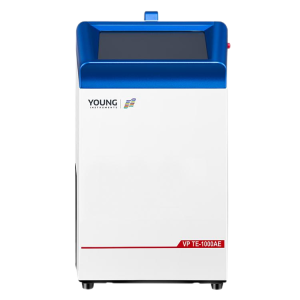
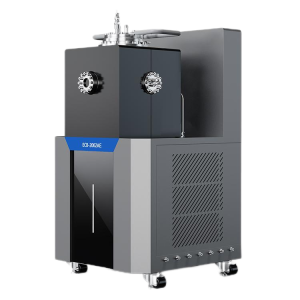
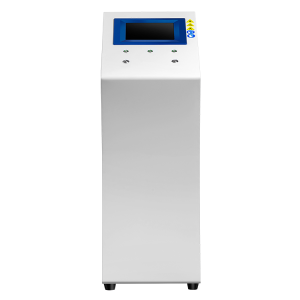
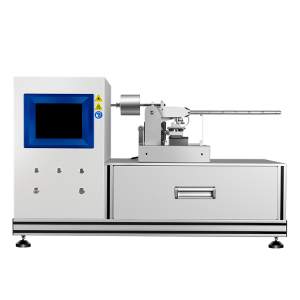
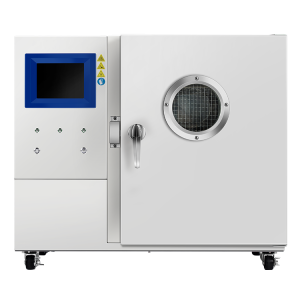
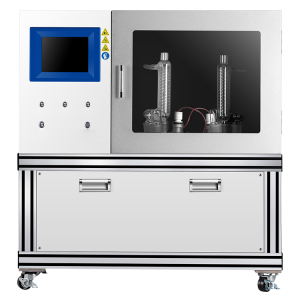
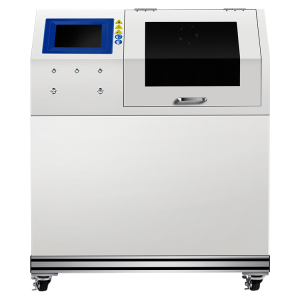
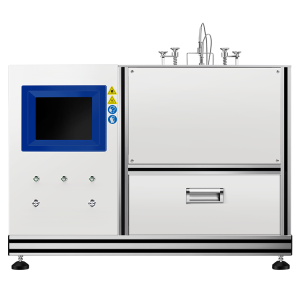
The BAC series large-scale battery adiabatic calorimeters have been deployed industry-wide for comprehensive thermal safety evaluation of high-nickel NCM, LFP, sodium-ion, and solid-state batteries. From 100 mm cells to 1500 mm modules, the following seven cases illustrate representative capabilities and test data.
Case 1: Adiabatic Thermal Runaway of a 180 Ah High-Nickel NCM Cell
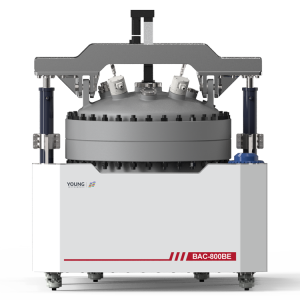
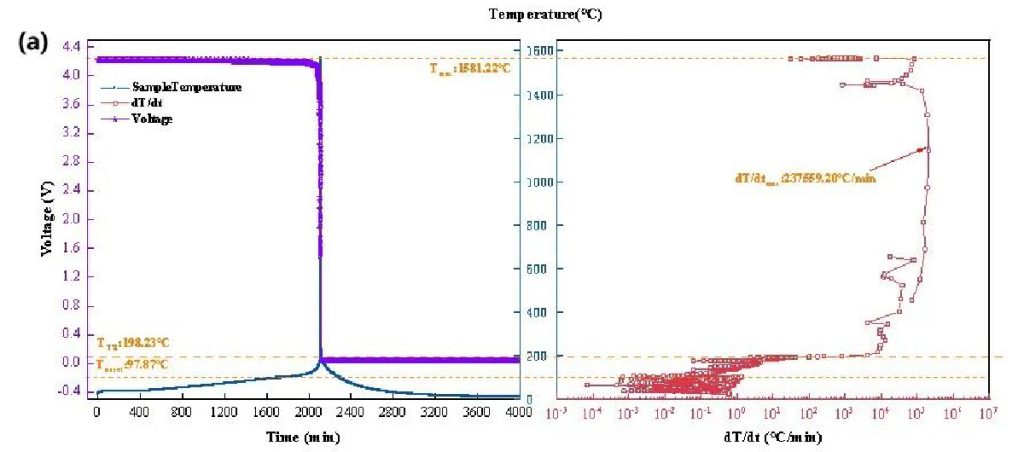
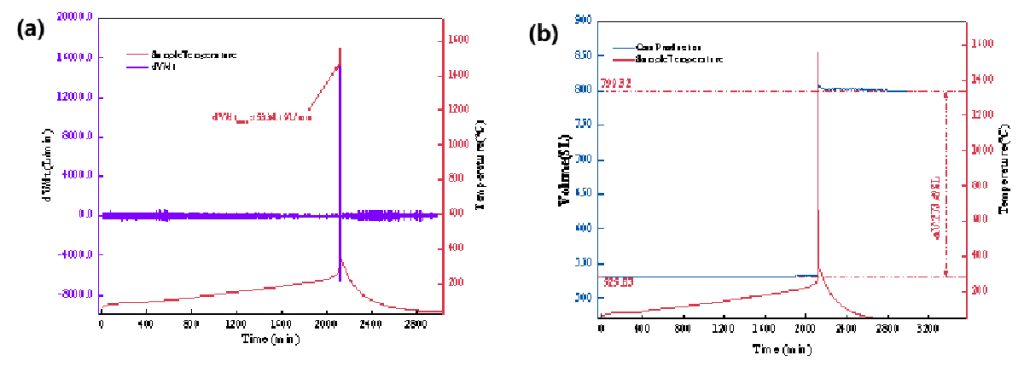
High-nickel NCM cells offer high energy density but poor thermal stability. Using the BAC-800BE, a 180 Ah 9-series NCM cell was subjected to adiabatic thermal runaway testing to quantify temperature-rise rate, peak temperature, and gas-generation rate. The data inform pack-level thermal management, vehicle thermal protection, and venting-structure design.
Case 2: Pressure and Gas Evolution During LFP Cell Thermal Runaway
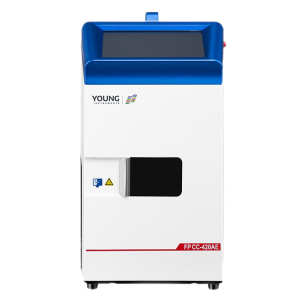
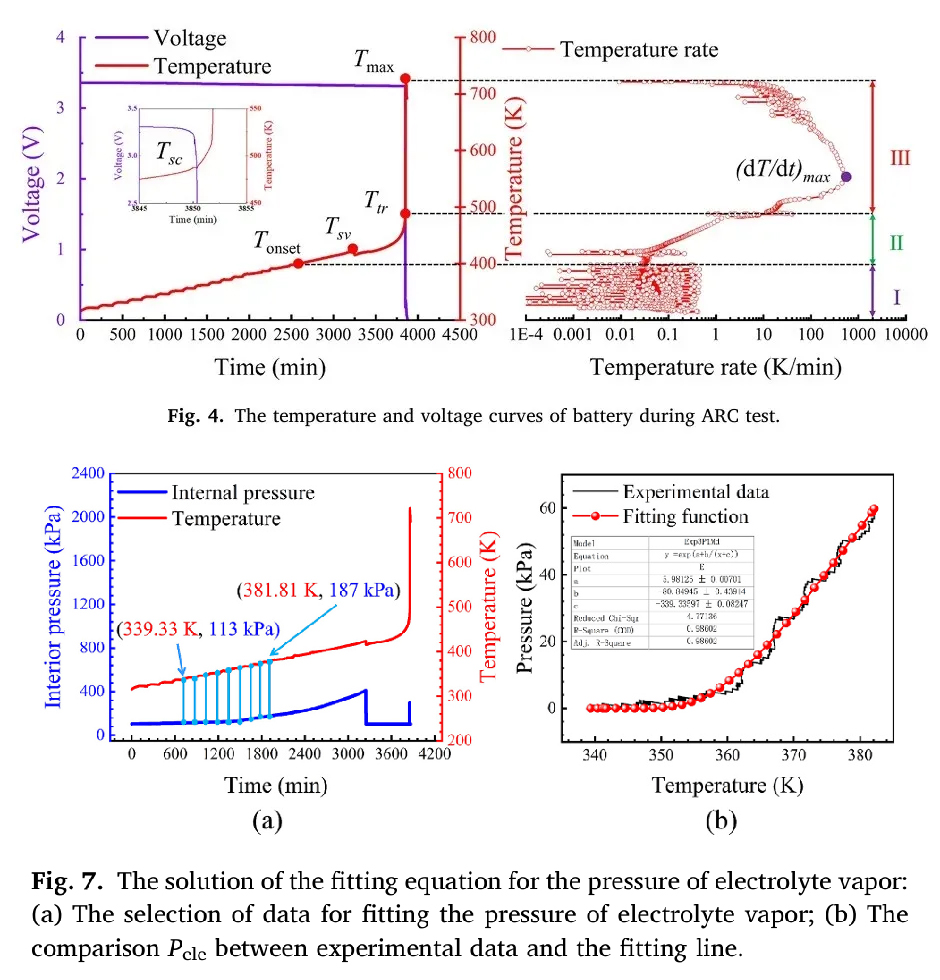
Using the BAC-420AE coupled with pressure sensors and gas chromatography, the two-stage pressure and gas-evolution behavior of a large-format LFP cell during thermal runaway was characterized. The results establish reference thresholds for early-warning systems in large-format energy-storage cells.
Case 3: Inter-Instrument Consistency in 500 Ah+ LFP Cells
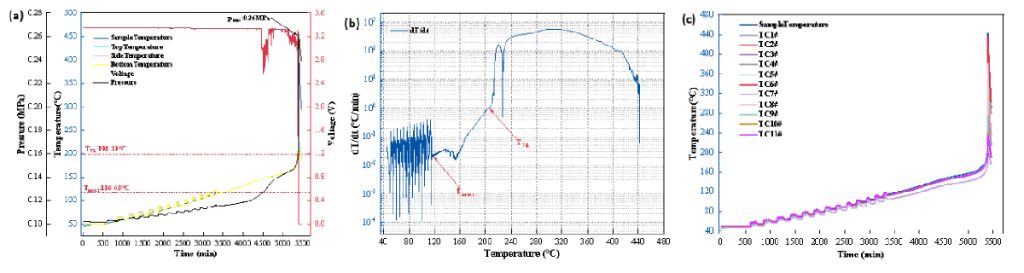
Two 500 Ah+ LFP cells from the same batch were tested on the BAC-420AE and BAC-800BE, respectively. The BAC-800BE performed sealed gas-evolution measurements alongside temperature and voltage acquisition, while the BAC-420AE focused on temperature and voltage. Onset and peak temperature deviations were within 5 °C, with highly consistent temperature-rise-rate curves, confirming stable adiabatic performance and excellent reproducibility across the BAC series.
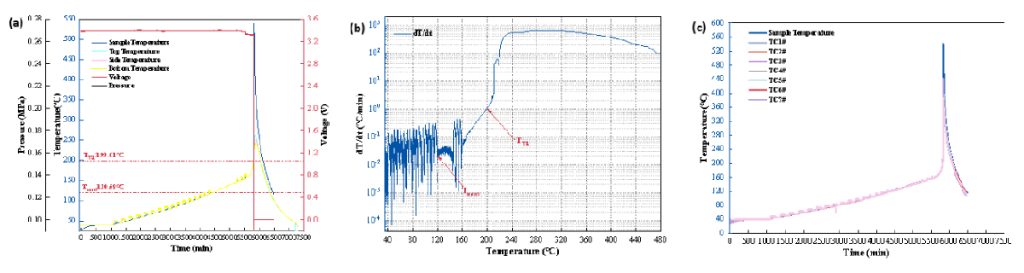
Case 4: Thermal Safety Assessment of a 3800 Ah Battery Module
A 3800 Ah LFP battery module was systematically characterized using the BAC-1000AE. Complete curves including stepwise heating rates and peak temperatures were obtained, filling a gap in adiabatic testing for large-capacity storage modules and informing thermal-management and fire-warning strategies for energy-storage cabins.
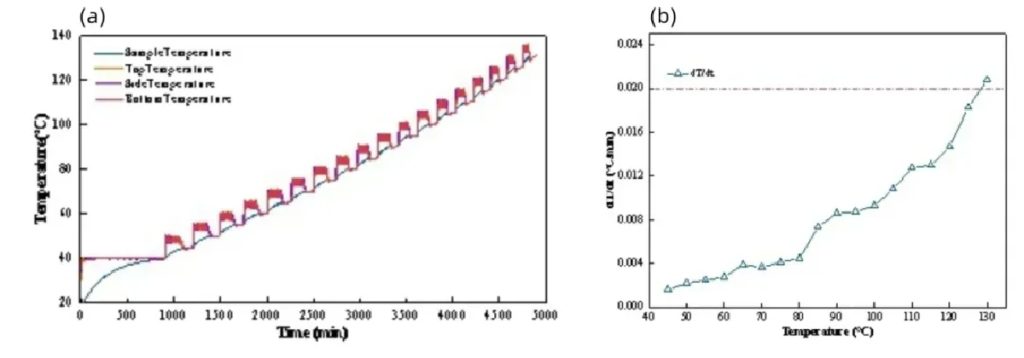
Case 5: Thermal Runaway Characterization of Solid-State Lithium-Metal Cells
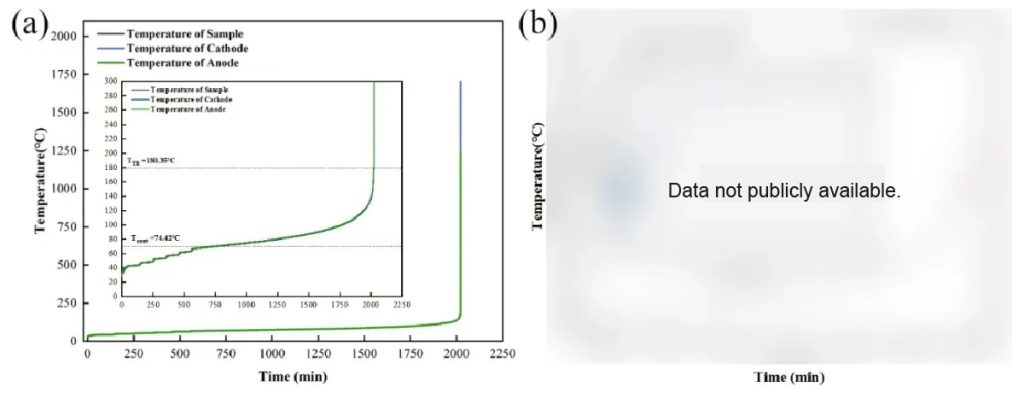
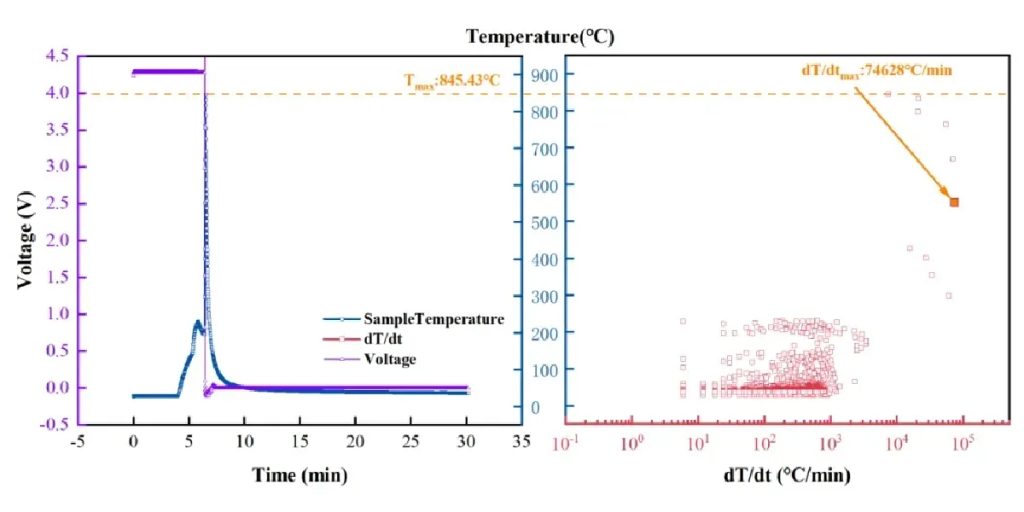
Adiabatic thermal runaway tests were conducted on a 20 Ah solid-state lithium-metal cell (BAC-420AE) and a 10 Ah pouch-format solid-state lithium-metal cell (BAC-800BE). High-speed imaging captured the deflagration process, clarifying heat-release behavior at the solid-electrolyte/lithium-metal anode interface. The results support solid-electrolyte formulation iteration and burst-resistant cell housing optimization.
Case 6: Wide-Temperature-Range, Temperature-Dependent Specific Heat Capacity
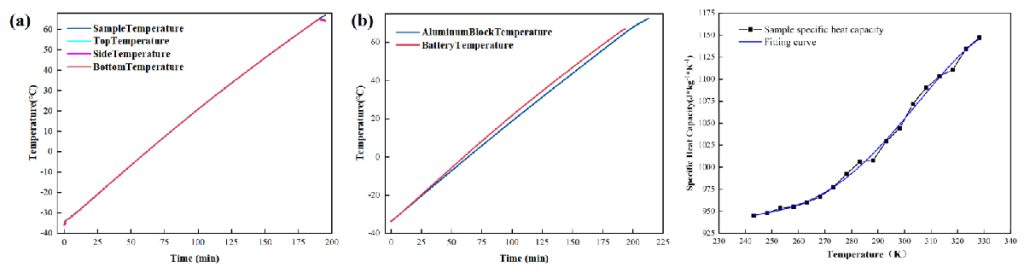
Using the BAC-420BE, temperature-dependent specific heat capacity of a lithium-ion cell was measured across a wide temperature range. The data can be imported directly into thermal simulation software to front-load cell and pack thermal management optimization.
Case 7: Charge/Discharge Heat Generation of a 120 Ah LFP Cell
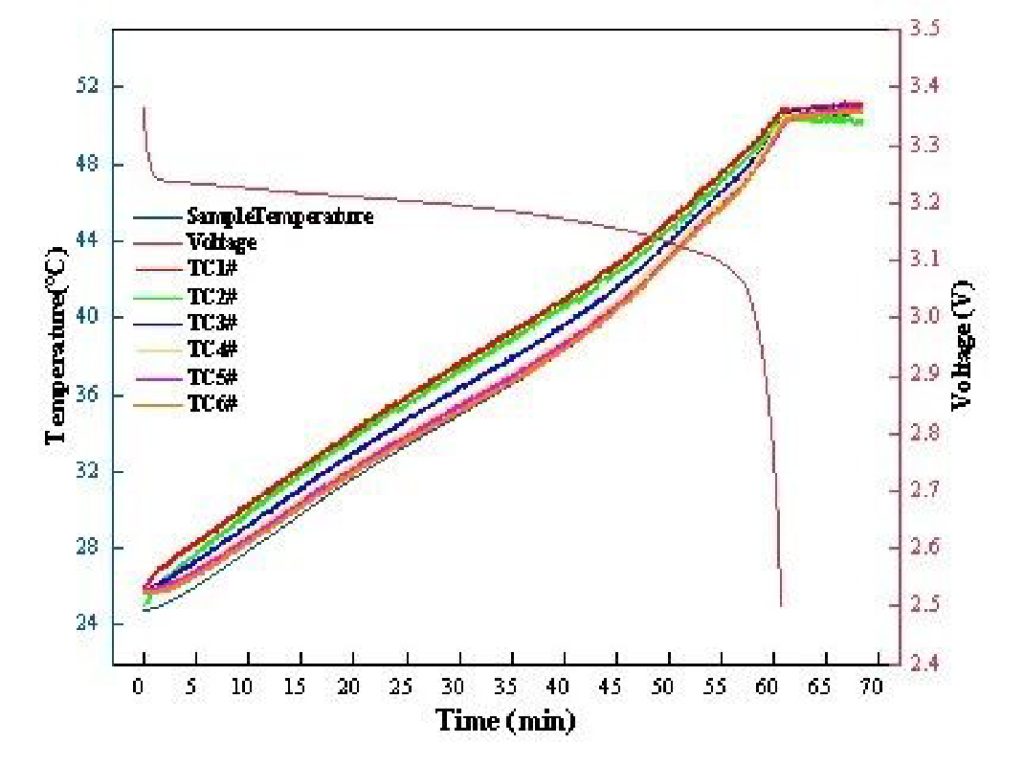
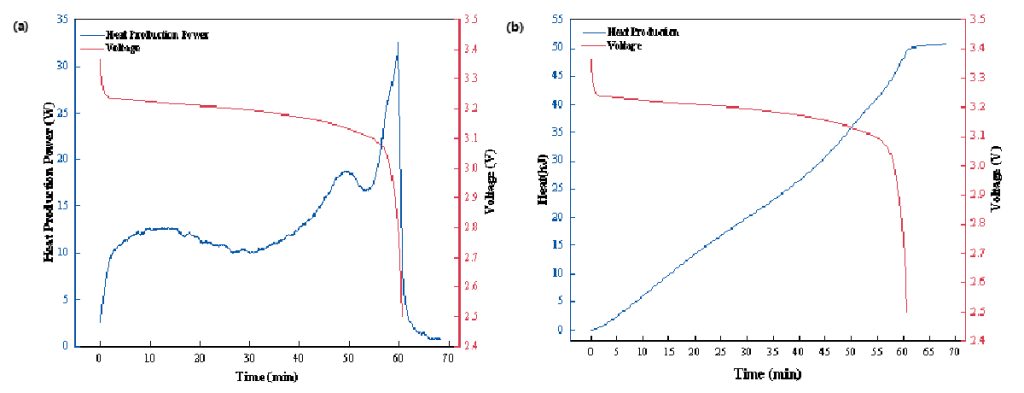
A 120 Ah prismatic LFP cell was tested on the BAC-800BE with multi-channel temperature acquisition, synchronously recording temperature, voltage, and current. Under 25 °C, 1C constant-current discharge, the test yielded time-resolved curves of temperature, heat-generation power, total heat generation, and voltage, revealing electro-thermal coupling behavior for thermal management optimization.
For additional case studies or to discuss your specific test requirements, contact us.


