

























Coal Calorific Value Testing: Why Bomb Calorimetry Is the Reference Method
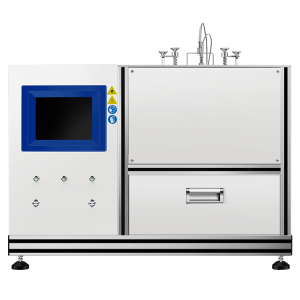
When two laboratories report different calorific values for the same coal, compare the method and reporting basis first. A gross calorific value (GCV) on a dry basis and a net calorific value (NCV) on an as-received basis can both be valid for the same coal. Bomb calorimetry, standardized in ISO 1928 and ASTM D5865, measures the corrected temperature rise after a weighed sample burns in oxygen in a constant-volume vessel. It is the reference method that proximate-analysis correlations and thermogravimetric estimates are ultimately checked against.
GCV, NCV and the reporting basis come first
Gross calorific value (GCV) uses the convention that water in the combustion products is liquid. Net calorific value (NCV) uses the water-vapour convention. The conversion between them depends on the moisture and hydrogen content of the coal, and the formulas are specified in ISO 1928 and ASTM D3180.
The basis matters as much as the GCV/NCV choice. A result can be reported as-received, air-dried, or dry. ISO 1928 and ASTM D3180 provide the conversion formulas between these bases. A combustion engineer who needs as-received NCV for a fuel balance should request that exact combination, not assume a dry GCV can be used directly.
Oxygen bomb calorimetry vs. proximate analysis and TGA
| Method | What it measures | Where it fits |
|---|---|---|
| Oxygen bomb calorimetry | Corrected temperature rise after a weighed sample burns in oxygen in a constant-volume vessel | Reference GCV measurement; the basis for prescribed conversions |
| Proximate analysis with a correlation | Moisture, ash and volatile matter, with fixed carbon by difference | Rapid estimates and trend screening when a correlation has been validated for that coal population |
| Thermogravimetric analysis (TGA) | Mass change over a controlled temperature program under a defined atmosphere | Devolatilization, oxidation, burnout and combustion-behavior comparison; not a direct calorific value |
A proximate-analysis correlation depends on the samples used to build it. A change in coal rank, source or blend can shift the relationship between composition and heat value. ISO 17246 provides the proximate-analysis parameters, with TGA methods covered by ASTM D7582 / ISO 11722.
TGA shows where a sample loses mass during heating and how combustion behavior changes. Its mass-loss signal needs additional information or a validated model to support a heat-value estimate. It does not replace bomb calorimetry for a reported calorific value.
How a bomb calorimeter produces a GCV
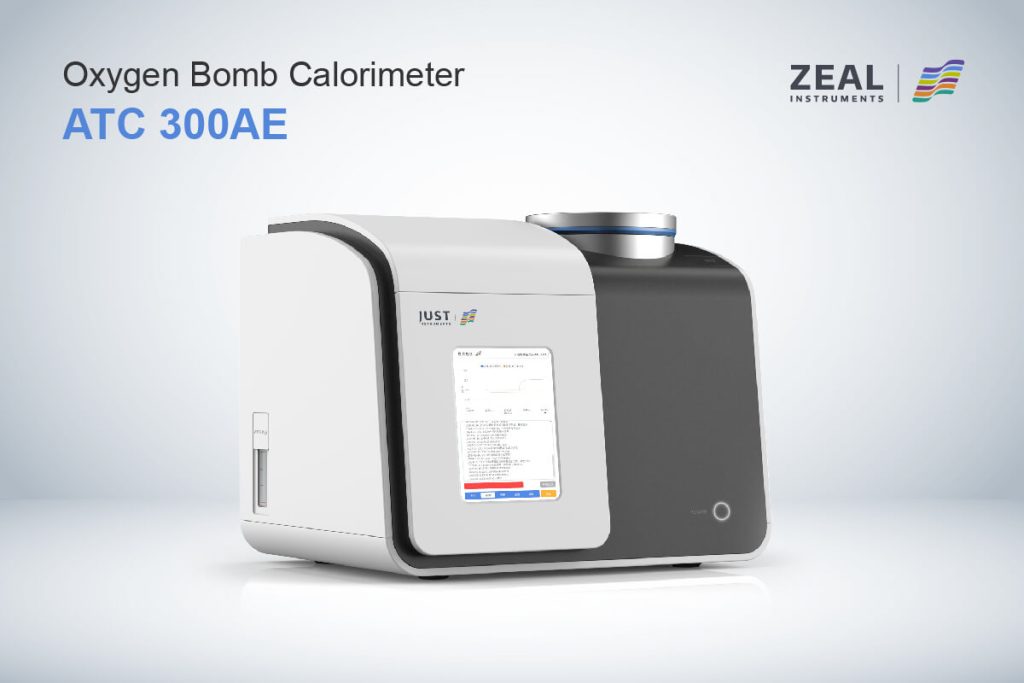
The laboratory burns a weighed analysis sample in an oxygen-filled constant-volume vessel. The heat released warms the calorimetric system, and the recorded temperature rise is corrected according to the adopted method. Certified benzoic acid establishes the energy equivalent of the system; that calibration links the measured temperature rise to energy. The calculation accounts for method-specific contributions such as ignition aids and acid formation.
ISO 1928 and ASTM D5865 share this constant-volume combustion principle. ASTM D5865 covers both isoperibol and adiabatic bomb calorimeters. The contract or test program should specify which edition, scope and reporting convention applies.
Why the result depends on what happens before the bomb
A precise temperature rise represents the portion that was actually tested. Representative lot sampling, careful division and preparation, and moisture control between preparation and measurement determine whether that portion represents the coal being purchased or burned. Keep the sample history and moisture records with the calorimeter record.
At the instrument, review calibration checks, replicate agreement and signs of incomplete combustion. The applicable standard’s precision provisions and the laboratory’s quality-control records give a better basis for assessing results than a single percentage error quoted for all fuels and laboratories. For commercial work, confirm the laboratory’s relevant accreditation scope and follow the contract’s rules for sample retention, reporting and dispute resolution.
What the number is used for
Once the method and reporting basis are confirmed, the calorific value supports three practical decisions. For fuel purchasing, GCV or NCV on the contract basis sets the energy content used in settlement and blending. For combustion engineering, NCV on an as-received basis feeds boiler efficiency and fuel-flow calculations. For emissions accounting, the calorific value converts fuel consumption into energy input, which underpins CO₂ intensity estimates. A 0.1 MJ/kg shift across 10,000 metric tonnes represents 1,000 GJ of reported fuel energy—enough to move a monthly fuel balance, which is why the reporting basis must be confirmed before the number is used in any of these calculations.
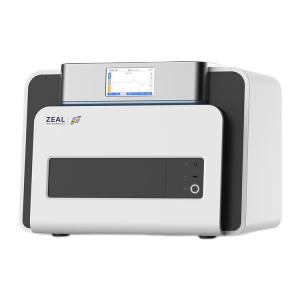
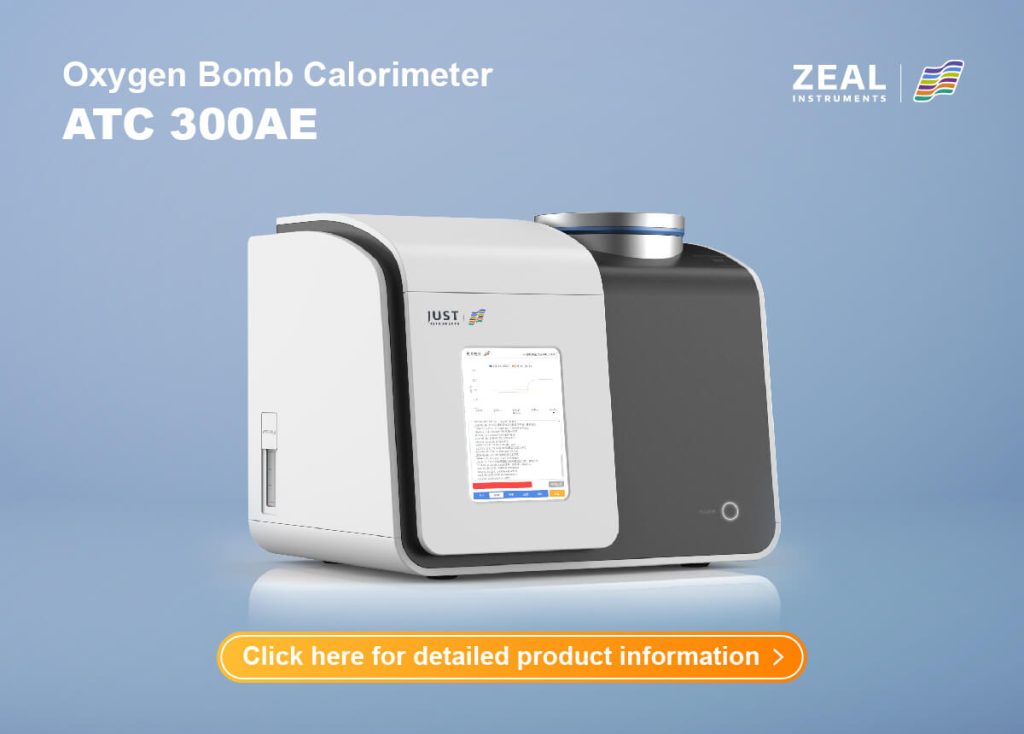
See how coal samples were compared in Zeal’s coal calorific value application study. For instrument configuration and lab workflow, see the ATC 300AE oxygen bomb calorimeter.


