

























Dust Cloud vs. Dust Layer Minimum Ignition Temperature
Dust cloud MIT and dust layer LIT test different dust states and have different application values. Dust cloud MIT supports the surface-temperature limit for airborne dust; dust layer LIT supports a layer-thickness-specific limit for settled dust. For equipment selection, both may matter, and the report must state the method, dust state and layer thickness.
A mill, dryer, conveyor or dust collector can produce an airborne dust cloud, while the same material may settle on a hot housing or motor. A furnace test measures dust cloud MIT; a hot-plate test measures dust layer LIT. The lab report should identify the test method, sample state and layer thickness.
What is dust cloud MIT?
In a dust cloud MIT test, a dispersed dust sample passes through a temperature-controlled furnace. The laboratory varies the furnace temperature and records the lowest temperature meeting the method’s ignition criterion. The report should record particle size, moisture and sample preparation; filter dust may be finer than bulk feed and may need separate testing.
What is dust layer LIT?
In a dust layer LIT test, a deposit of specified thickness rests on a temperature-controlled hot plate. A thicker layer can retain more heat, so the ignition temperature may decrease as the layer deepens. The result may include glowing or smoldering without visible flame.
Layer thickness must be reported. A 5 mm result should be written as LIT at 5 mm, not a generic “dust LIT.” Many programs also use 15 mm because deeper deposits can be more severe. If deeper accumulation is expected, use the LIT result for the expected maximum layer thickness and the applicable selection rules.
Application value
Dust cloud MIT is used where airborne dust may contact a hot surface or pass through a heated environment. It characterizes how readily the cloud can ignite and supports the surface-temperature limit for cloud hazards. In the common IEC-style check, use two-thirds of cloud MIT in °C.
Dust layer LIT is used where dust can settle on a hot surface. It characterizes glowing, smoldering or ignition risk in a deposit and supports a limit that depends on layer thickness. In the common check for deposits up to 5 mm, subtract 75 K from the 5 mm LIT.
Neither test replaces the other: a dust hard to ignite as a cloud may still smolder as a layer, and a low cloud MIT may still require layer testing where deposits are credible.
Key differences
| Item | Dust cloud MIT | Dust layer LIT |
|---|---|---|
| Dust state | Dispersed cloud | Settled deposit |
| Result | Lowest furnace temperature meeting cloud criterion | Lowest plate temperature meeting layer criterion |
| Report focus | Particle size, moisture, preparation | Layer thickness, duration, glowing/smoldering |
| Typical use | Airborne dust surface-temperature assessment | Settled dust surface-temperature assessment |
Equipment selection
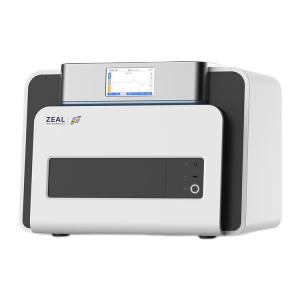
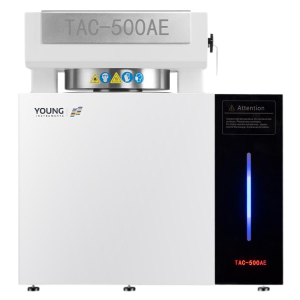
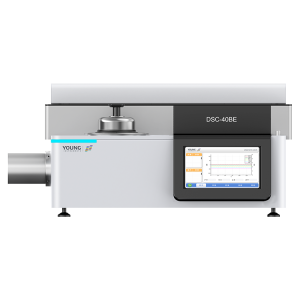
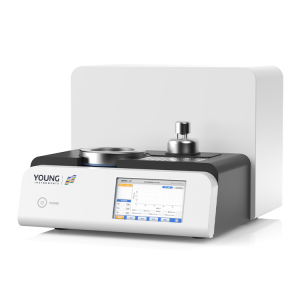
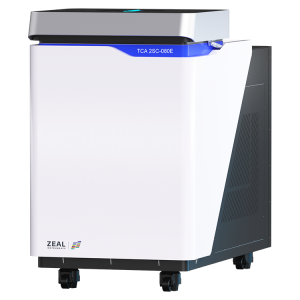
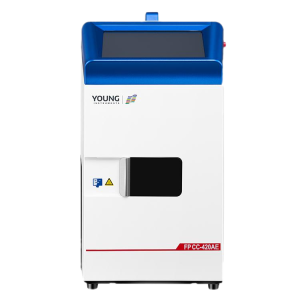
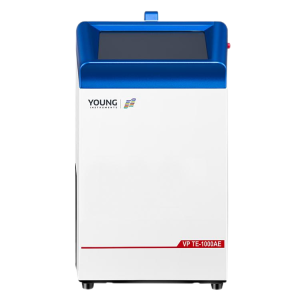
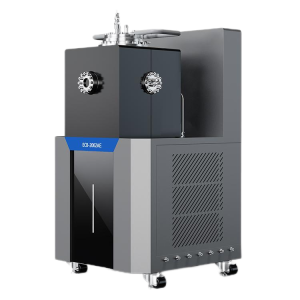
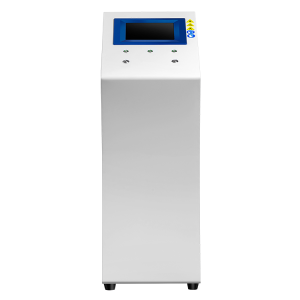
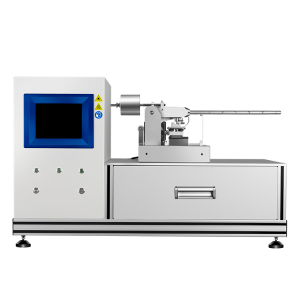
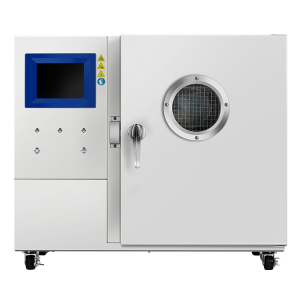
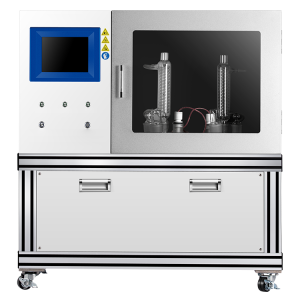
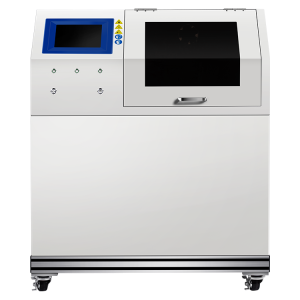
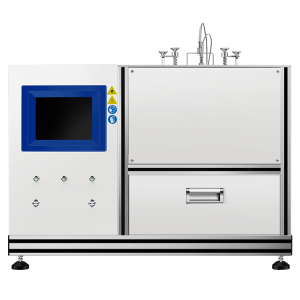
Zeal offers the MITC-1000AE cloud tester for cloud MIT testing and the MITL-450AE layer tester for layer LIT testing. The MITL-450AE exposes a defined-thickness dust layer to a controlled hot surface, supporting LIT measurements at reported thicknesses. Compare both against method, throughput, temperature range and reporting needs.

Conclusion
Dust cloud MIT and dust layer LIT answer different safety questions. Where both cloud and layer hazards are credible, use both results, report the layer thickness, compare the calculated limits and take the lower governing value. Verify the current standard, equipment certificate and dust hazards analysis before final installation.
If you need help planning cloud MIT, layer LIT or MIE testing, contact Zeal to discuss the sample, test thicknesses and equipment configuration.
References
ISO/IEC 80079-20-2, Explosive atmospheres — Part 20-2: Material characteristics — Combustible dusts test methods.
IEC 60079-14, Explosive atmospheres — Part 14: Electrical installations design, selection and erection.


