



















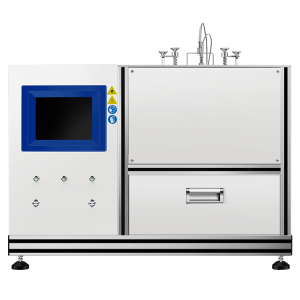






Flammable Liquid Properties: Flash Point & Combustibility
Flammable liquids are widely used in chemical manufacturing, storage, and transport. If they are handled improperly, they can contribute to fires, explosions, injuries, property damage, and environmental harm. Understanding their physical properties helps identify potential hazards and supports appropriate safety measures.
The United Nations Model Regulations for the Transport of Dangerous Goods refer to several properties when defining and classifying flammable liquids, including flash point and initial boiling point. Sustained combustibility testing can also determine whether certain liquids with a flash point above 35 °C need to be treated as flammable liquids for transport purposes. Here is what each term means and how the results are used.
How the UN Regulations Define Flammable Liquids
Under the UN Model Regulations, a flammable liquid is generally a liquid or liquid mixture that gives off flammable vapour at a flash point of no more than 60 °C in a closed-cup test or 65.6 °C in an open-cup test. The definition also covers certain liquids offered for transport at or above their flash point, and liquids transported at elevated temperatures that give off flammable vapour at or below the maximum transport temperature.
Closed-cup and open-cup results are not strictly comparable. Results can also vary between individual tests, so the test method and applicable transport rules should be considered when interpreting a flash point.
Flash Point
Flash point is the lowest temperature at which a liquid produces enough vapour to form an ignitable mixture with air near its surface. When an ignition source is applied under the specified test conditions, the vapour flashes momentarily. A flash does not, by itself, show that the liquid will continue to burn.
As a liquid warms, it generally releases more vapour. When the vapour concentration near the surface reaches an ignitable level, an applied test flame may produce a momentary flash. The measured result depends on the test method and apparatus, so a flash point should be interpreted together with the method used.
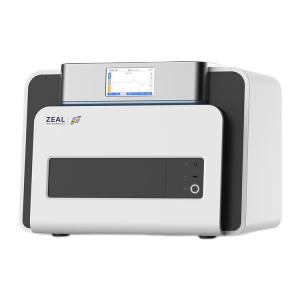
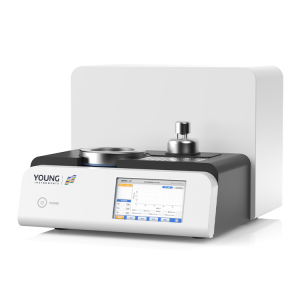
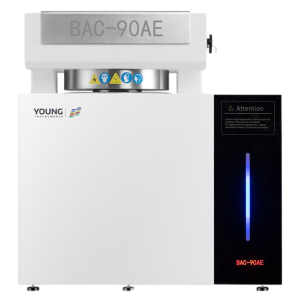
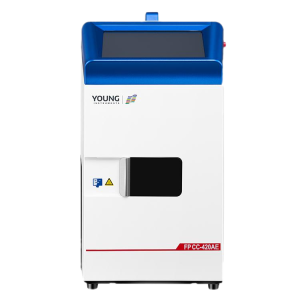
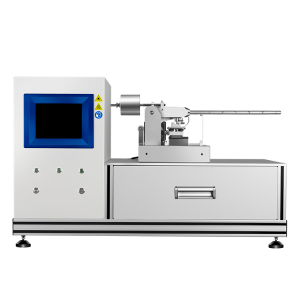
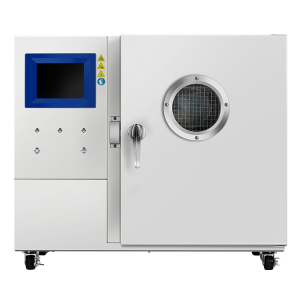
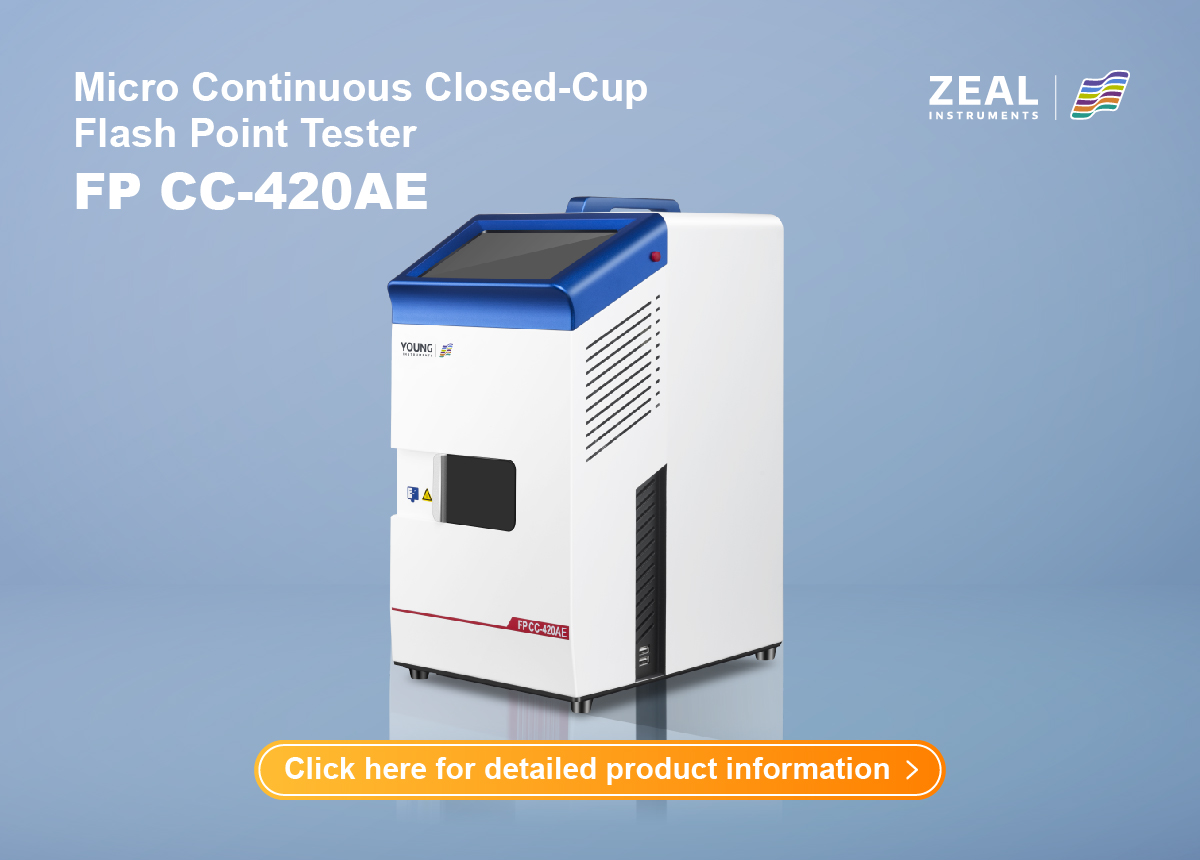
For closed-cup flash point testing, see the Micro Continuous Closed-Cup Flash Point Tester.
Sustained Combustibility
The sustained combustibility test is a flammability test used to determine whether a liquid continues to burn after exposure to a test flame under specified conditions. The UN Manual of Tests and Criteria describes Test L.2 for this purpose.
In the UN Test L.2 procedure, a small test portion is heated in a combustibility tester. The test begins at 60.5 °C. If sustained combustion is not found, the procedure is repeated at 75 °C using new test portions. The test flame is applied and then moved away while the sample’s behaviour is observed.
Under the test criteria, sustained combustion is reported if a test portion continues burning after the flame is moved to the “off” position, or if it ignites while the test flame is in position and continues burning for more than 15 seconds after the flame is removed. Intermittent flashing alone is not considered sustained combustion.
For liquids with a flash point above 35 °C, the UN Model Regulations state that a liquid that does not sustain combustion need not be considered a flammable liquid for the purposes of those regulations. Whether an exemption applies depends on the relevant requirements and the result of a suitable combustibility test or other specified criteria.
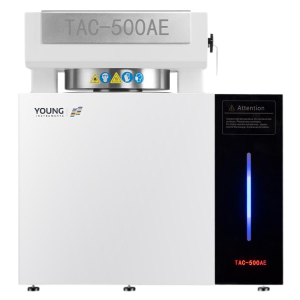
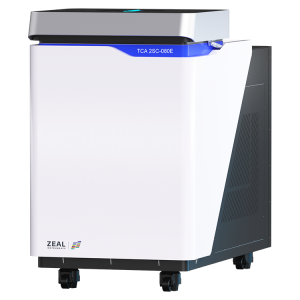
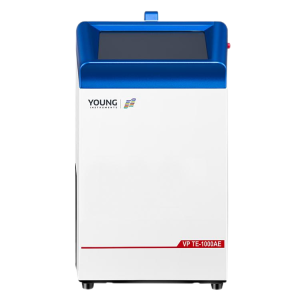
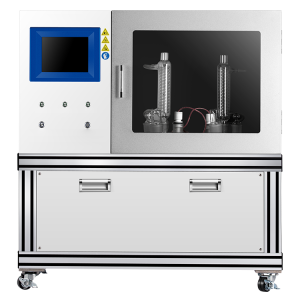
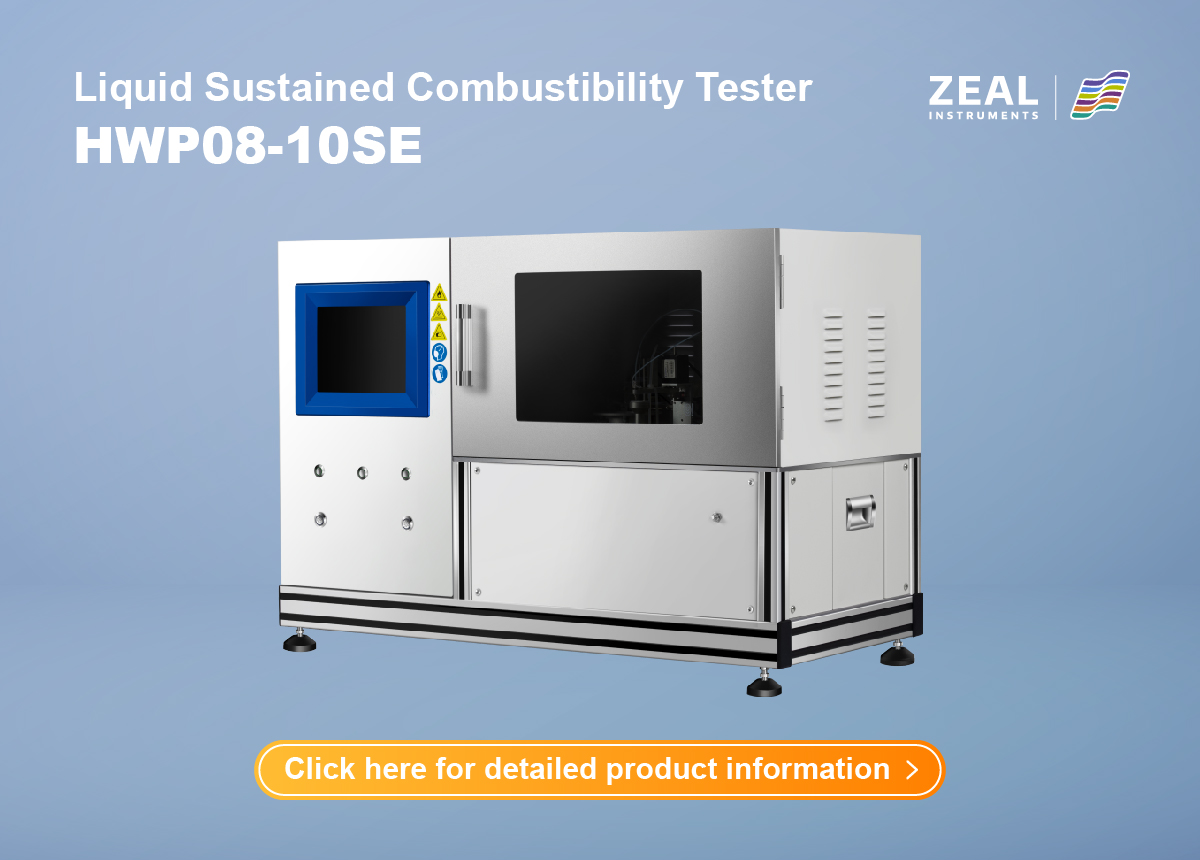
Learn more about the Liquid Sustained Combustibility Tester.
Fire Point
Fire point is the lowest temperature at which vapour from a liquid or solid ignites when exposed to a test flame and continues to burn after the external flame is removed. It is commonly defined as the temperature at which combustion continues for at least five seconds under the specified test conditions.
Flash point and fire point describe different observations. Flash point records a momentary flash; fire point records continued burning. The UN Model Regulations also recognize a fire point greater than 100 °C, determined according to ISO 2592:2000, as one of the criteria for considering a liquid unable to sustain combustion for the purposes of those regulations.
Initial Boiling Point
As a liquid is heated, its vapour pressure increases. When the vapour pressure equals the surrounding atmospheric pressure, the liquid begins to boil. The temperature at which boiling begins at a specified pressure is the initial boiling point.
For flammable-liquid classification under the UN Model Regulations, the initial boiling point is used alongside the closed-cup flash point to determine the packing group for liquids whose only hazard is flammability.
How Flash Point and Initial Boiling Point Relate to Packing Groups
The following table summarizes the UN Model Regulations criteria for assigning a packing group based on flammability. Other hazards and applicable requirements may also affect the final classification.
| Packing Group | Closed-Cup Flash Point | Initial Boiling Point |
|---|---|---|
| I | — | ≤ 35 °C |
| II | < 23 °C | > 35 °C |
| III | ≥ 23 °C and ≤ 60 °C | > 35 °C |
How the Parameters Work Together
Flash point indicates when a liquid can release enough vapour to produce a momentary flash. Fire point describes the temperature at which burning continues after ignition. Initial boiling point helps determine the packing group, while sustained combustibility testing evaluates whether a liquid continues to burn under a defined test procedure.
For liquids with a flash point above 35 °C, a suitable negative sustained combustibility test may affect whether the liquid needs to be treated as flammable under the UN Model Regulations. The regulations also identify other criteria, including a fire point above 100 °C according to ISO 2592:2000 or a water-miscible solution with a water content above 90% by mass.
These results should be interpreted using the applicable test method and transport regulations. A test result should not be used on its own to determine packaging, labelling, or shipping requirements without checking the rules that apply to the specific substance and transport conditions.
Conclusion
Flash point, fire point, initial boiling point, and sustained combustibility each describe a different aspect of a liquid’s flammability. Together, they can support hazard identification, risk assessment, and decisions about safe handling, storage, and transport. Applying the correct test method and interpreting its result within the relevant regulations helps organizations plan appropriate measures to prevent and respond to incidents.


