

















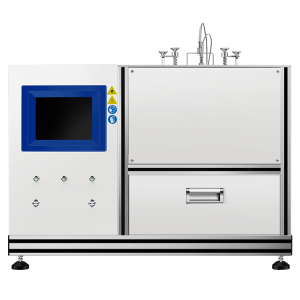






Automated Sampling
60 samples, fully unattended.
View Detail






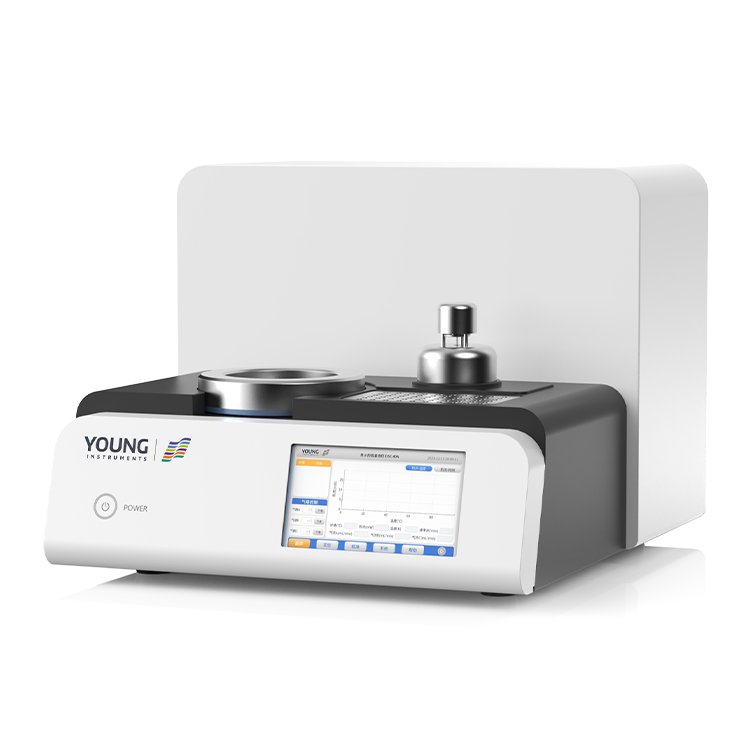
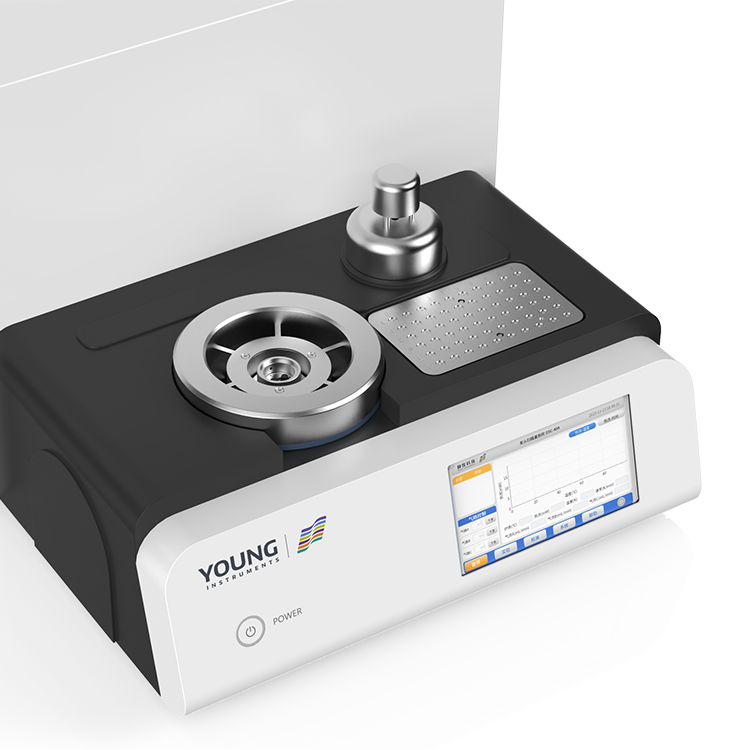

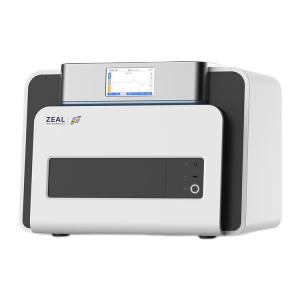
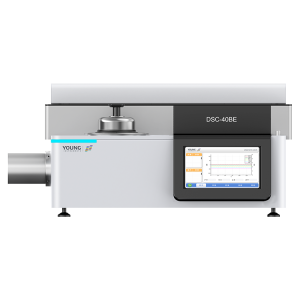
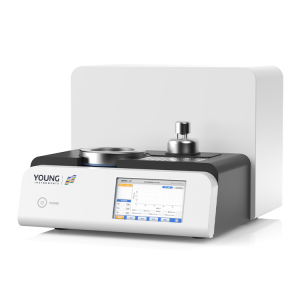
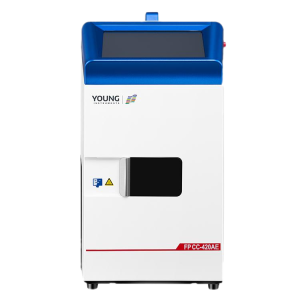
The DSC-40AE is a high-performance thermal analyzer based on the tower-type heat flux principle, designed to accurately measure heat flow differences between sample and reference materials under controlled temperature programming. Utilizing milligram-scale samples, it delivers precise measurements of key thermal properties, including specific heat capacity, glass transition temperature (Tg), melting point, enthalpy of fusion, reaction heat of thermosetting plastics, curing kinetics, and gel conversion rates.
Thermodynamic and Kinetic Analysis
Polymers, Biopharma, Advanced Materials, Petrochemicals, Energy Materials, Food

Features

Specifications
Standards

Applications

Videos

Supports a wide temperature range up to 700 °C, making it suitable for high-temperature analysis of polymers, composites, and thermosetting materials.
Utilizes tower-type heat flux technology to deliver enhanced sensitivity and high-resolution thermal measurement.
Features a silver furnace design that improves heat transfer efficiency while minimizing interference between the sample and reference.
Equipped with a high-sensitivity heat flux sensor for precise detection of micro-thermal changes and improved dynamic response.
Incorporates 50 Hz high-speed data acquisition to enhance peak resolution and kinetic analysis accuracy.
Offers both heating and isothermal control modes to accommodate advanced thermal program configurations.
Includes an HD touchscreen interface for intuitive and efficient laboratory operation.
| Temperature Range | RT–700 °C |
| Temperature Range in Isothermal Mode | RT–400 °C |
| Heating Scan Rate | 0.05–200 K/min |
| Scan Rate Deviation | ±1% |
| Phase Transition Temperature Accuracy | ±0.1 K |
| Phase Transition Temperature Repeatability | ±0.02 K |
| Enthalpy Measurement Accuracy | ±0.8% |
| Enthalpy Measurement Precision | ±0.08% |
| Baseline Stability | 100 µW |
| Baseline Repeatability | 40 µW |
| Heat Flow Display Resolution | 0.1 µW |
| Heat Flow Peak-to-Peak Noise | 8 µW |
| Indium Peak Height / Half-Width | 20 mW/K |
| Heat Flow Measurement Range | ±750 mW |
| Sampling Frequency | 50 Hz |
| Gas Control Module | 3 lines; inert/oxidizing, static/dynamic; 2 lines with controllable flow rate (0 – 300 mL/min) |
| Power Supply | AC 220 V / 50 Hz |
| Power Consumption | 450 W |
| Dimensions | 505 × 400 × 355 mm |
| Weight | 35 kg |
No information!
No information!
ASTM E794-24: Standard Test Method for Melting and Crystallization Temperatures by Thermal Analysis
ASTM E793-24: Standard Test Method for Enthalpies of Fusion and Crystallization by Differential Scanning Calorimetry
ASTM E1269-24: Standard Test Method for Determining Specific Heat Capacity by Differential Scanning Calorimetry
ASTM E2253-26: Standard Test Method for Temperature and Enthalpy Measurement Validation of Differential Scanning Calorimeters
Complies with the above standards and their equivalent national or industry standards.
High-performance, oxidation-resistant substrate sensors deliver baseline drift ≤100 μW and inter-baseline variation ≤0.04 mW. Exceptional baseline stability provides a reliable foundation for precise heat flow measurement, enabling accurate capture of even weak thermal effects and improving the reliability and reproducibility of thermal analysis results.
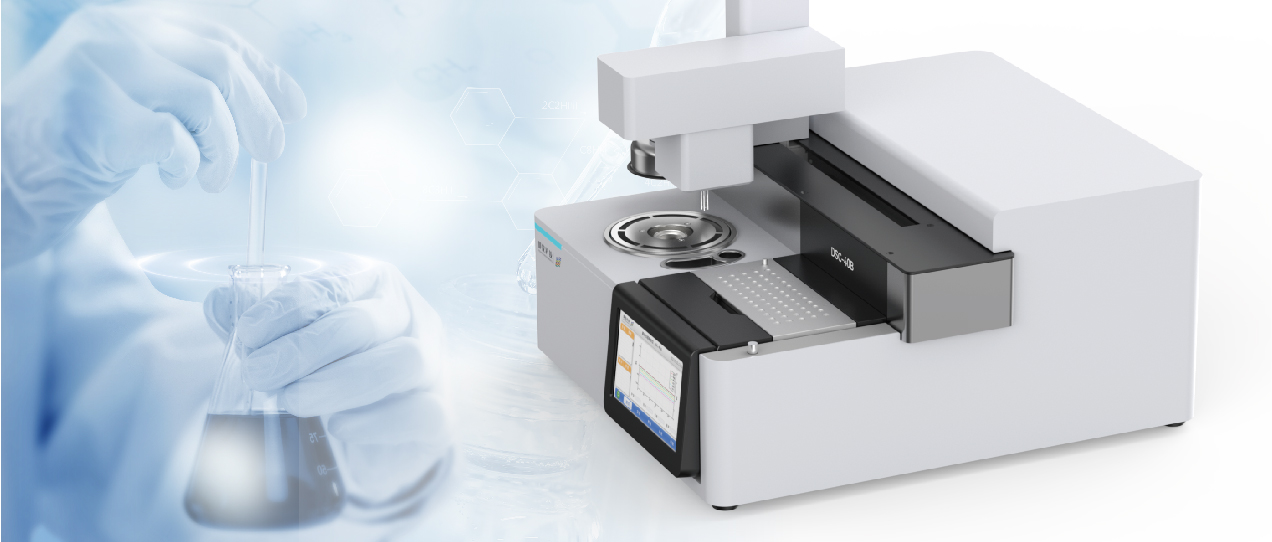
Phase transition temperature precision ±0.02 °C (In standard), enthalpy measurement accuracy ±0.08% (In). Feedforward intelligent prediction algorithms combined with high-precision atmosphere flow control ensure stable baselines, rapid response, and excellent signal-to-noise ratio.
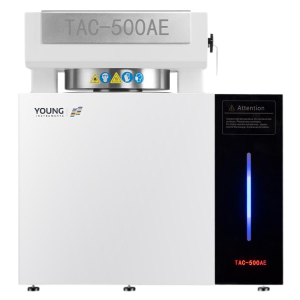
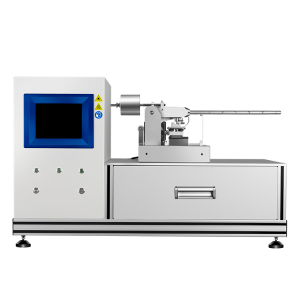
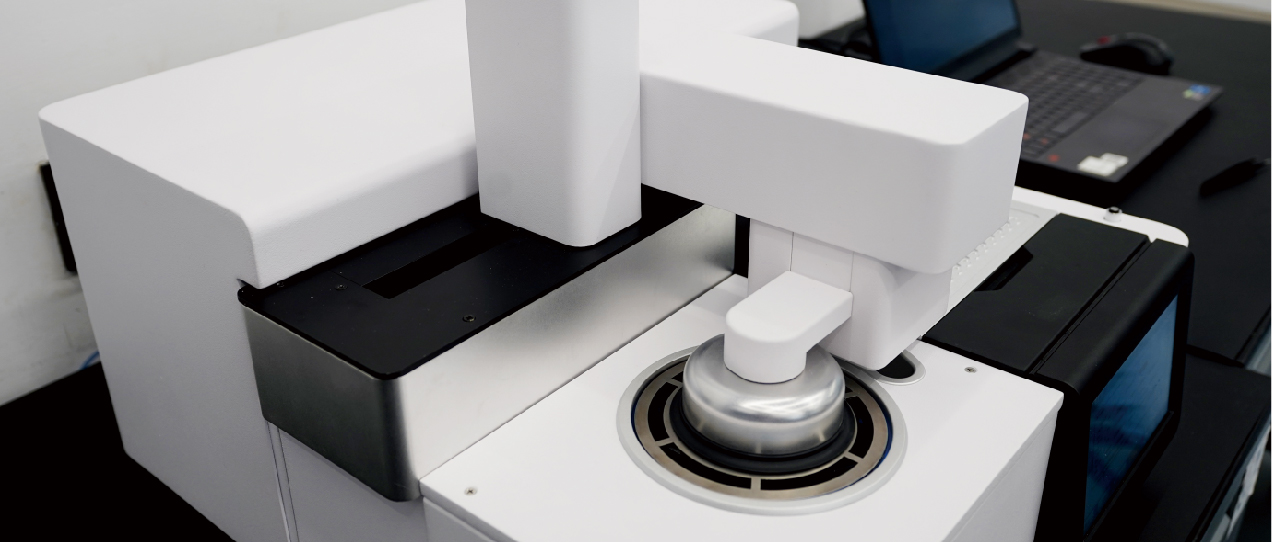
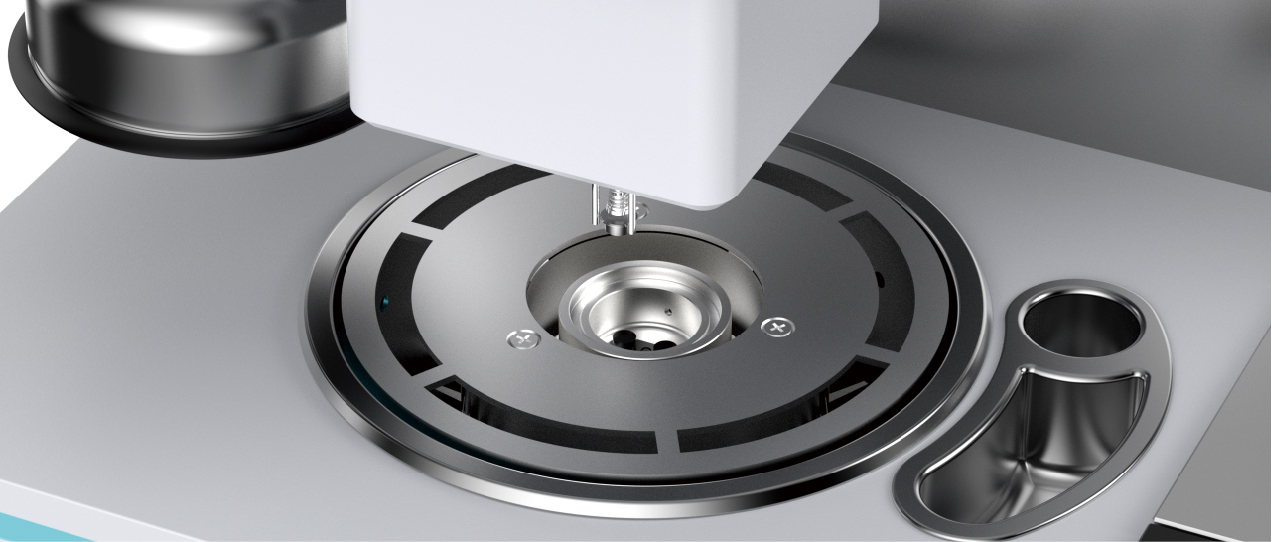
A 60-position autosampler supports flexible partitioning of sample and reference zones, with an intelligent robotic arm automatically handling loading, placement, capping, and waste disposal. The system enables 24-hour continuous operation, significantly increasing throughput while reducing manual intervention.
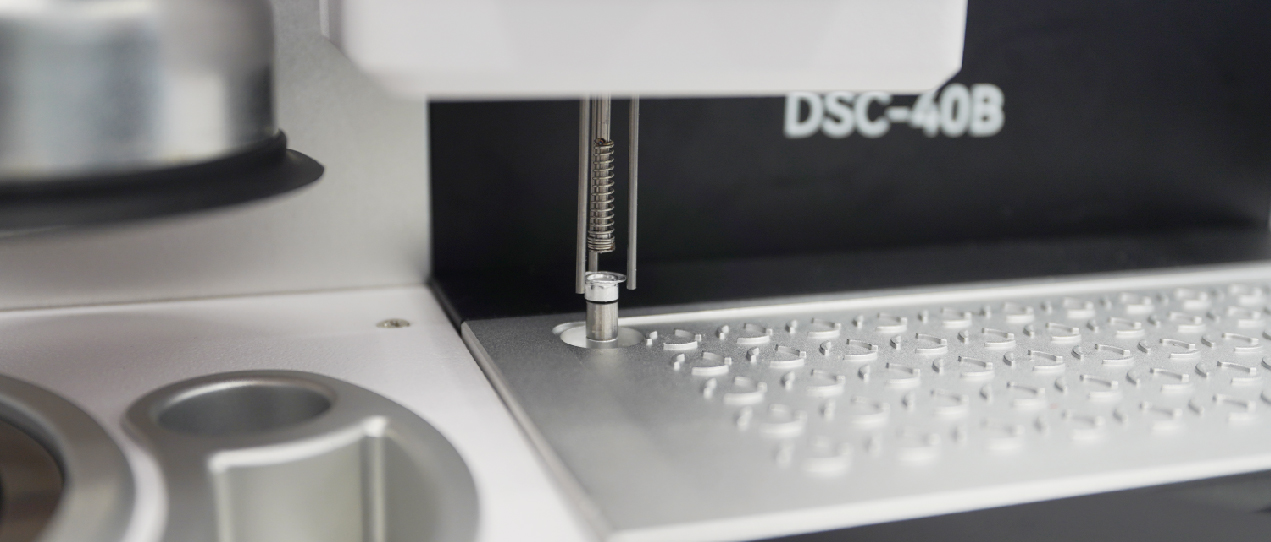
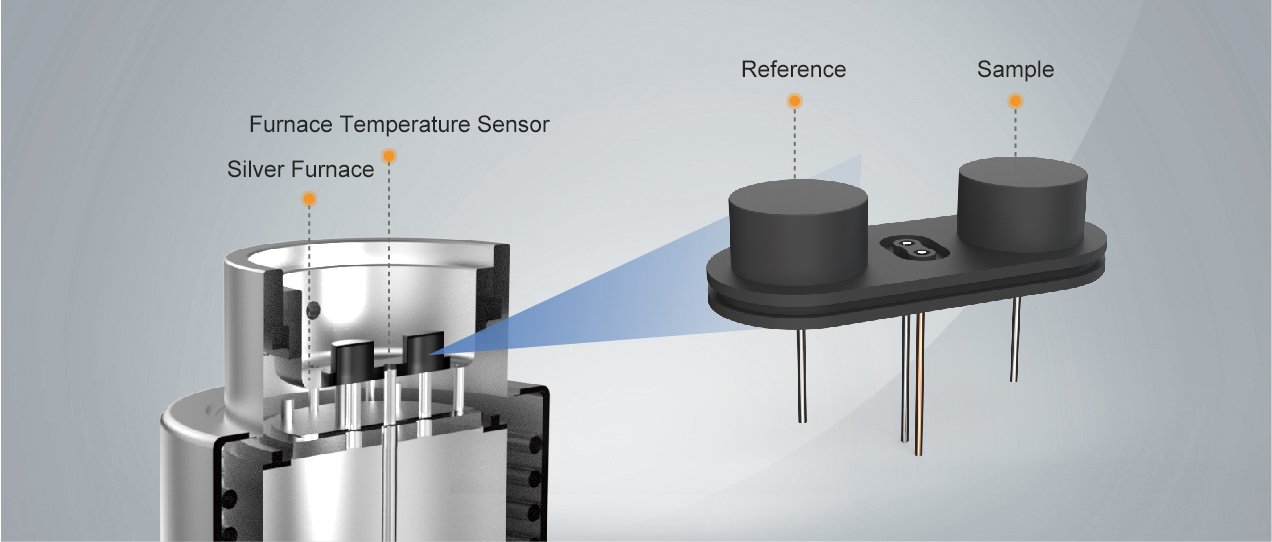
An integrated silver furnace delivers uniform heat conduction and stable temperature fields, covering from room temperature to 700 °C with fast heating/cooling response and minimal thermal lag. An optional mechanical refrigeration module extends the lower limit to −90 °C for low-temperature applications such as polymer Tg, pharmaceutical cold crystallization, and food stability testing.
Optional modules include autosamplers, low-temperature cooling units, and various detection accessories for flexible expansion according to experimental needs. Multiple crucible materials and geometries are available, with an optional crucible press to optimize sample–crucible contact, improving peak quality and data repeatability.
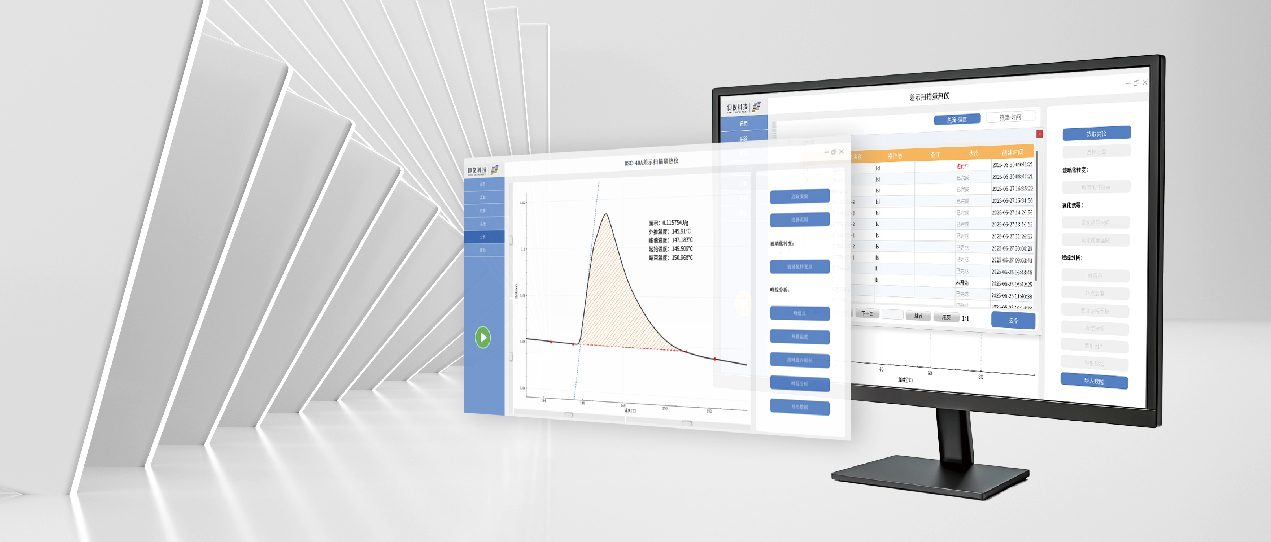
PyroSwift intelligent software supports dual-terminal collaboration, custom databases, and one-click reuse of historical experiments. Built-in functions include multi-curve overlay comparison, peak analysis, glass transition calculation, oxidation induction time extraction, specific heat capacity analysis, and basic thermal kinetics analysis.

60 samples, fully unattended.

Dual-terminal control with preloaded methods.

Automated peak detection, from curves to reports.

Polymers, pharma, batteries, and more.

Polymers, pharma, batteries, and more.

Product inquiries or technical support? We’re here to help.
Connect directly with our sales and technical teams.


