



Petrochemical
Petrochemical production depends on reliable thermal safety data, physicochemical parameters and reaction risk evaluation. Zeal Instruments provides laboratory testing instruments for petrochemical R&D, quality control, process scale-up, hazardous material classification and safer plant operation.
Thermal Testing Challenges in Petrochemical Processing
Petrochemical plants handle hydrocarbons, solvents, monomers, catalysts, intermediates and reaction mixtures that may become unstable under heat, pressure, oxidation or contamination. During storage, transportation, pilot production or full-scale processing, small changes in temperature, mixing rate, impurity level or cooling capacity can create significant safety risks.
Common petrochemical thermal hazards include runaway reactions, heat accumulation, pressure rise, vapor generation, oxidative decomposition, self-heating, autoignition and flammable vapor release. In many cases, these hazards are not visible from ordinary physical inspection. A material may look stable at room temperature but release heat rapidly once it reaches a critical onset temperature. A reaction may be safe at lab scale but become difficult to control when batch volume increases and heat removal becomes less efficient.
For this reason, petrochemical laboratories need testing systems that can identify thermal onset behavior, heat release, pressure development, flash point, vapor pressure and decomposition characteristics before a process is scaled up or a material is shipped.
Key Petrochemical Samples and Testing Scenarios
Zeal Instruments supports testing for a wide range of petrochemical and chemical materials, including fuels, lubricants, organic solvents, resins, monomers, additives, surfactants, catalysts, polymer intermediates, waste liquids and reactive process streams.
Typical testing scenarios include:
- Screening new raw materials for thermal stability
- Evaluating exothermic reaction hazards during process development
- Measuring flash point and vapor pressure for volatile liquids
- Studying decomposition heat and pressure rise of unstable samples
- Supporting hazardous material classification and transport safety review
- Comparing different suppliers, batches or formulations
- Investigating incidents related to overheating, pressure build-up or combustion risk
- Generating safety data before pilot-scale or production-scale operation
These data help petrochemical companies make better decisions about process temperature limits, emergency cooling requirements, safe storage conditions, packaging, transportation and operating procedures.
Relevant Thermal Analysis and Safety Testing Methods
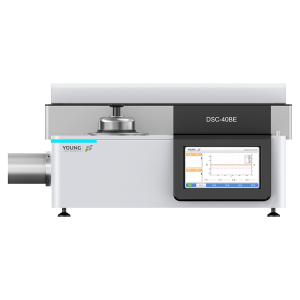
Differential Scanning Calorimetry, or DSC, is widely used to detect melting, crystallization, oxidation, decomposition and exothermic reaction behavior. For hydrocarbons and related materials, ASTM E2009 provides a useful reference context for determining oxidation onset temperature by DSC or pressure DSC. DSC screening helps laboratories identify whether a sample releases heat under oxidative or thermal stress and whether further adiabatic testing is required.
Accelerating Rate Calorimetry, or ARC, is used when laboratories need to understand self-heating behavior under near-adiabatic conditions. ARC testing can help evaluate onset temperature, self-heating rate, adiabatic temperature rise, pressure rise and potential runaway severity. This is especially important for reactive intermediates, organic synthesis processes, polymerization systems and decomposition-prone petrochemical samples.
Reaction calorimetry is valuable for process development and scale-up. It helps measure heat generation during dosing, mixing, reaction and cooling. By understanding heat flow and reaction kinetics, engineers can evaluate maximum temperature of synthesis reaction, cooling failure scenarios and safe operating windows.
Flash point and vapor pressure testing are essential for volatile petroleum products, solvents and flammable liquids. Closed-cup flash point data help evaluate ignition risk during storage and handling, while vapor pressure data support decisions related to volatility, packaging, transport and process containment.
For self-reactive or temperature-sensitive substances, SADT-related testing may be required to evaluate the lowest temperature at which a substance may undergo self-accelerating decomposition under defined conditions. This supports safer classification, storage and transportation decisions in the context of UN dangerous goods testing and chemical physical hazard assessment.
Applicable Zeal Instruments for Petrochemical Laboratories

Zeal Instruments provides several testing platforms suitable for petrochemical thermal safety and physicochemical evaluation:
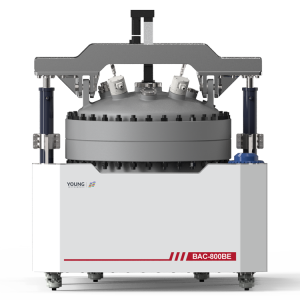
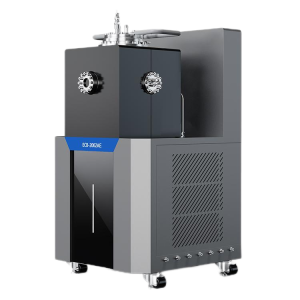
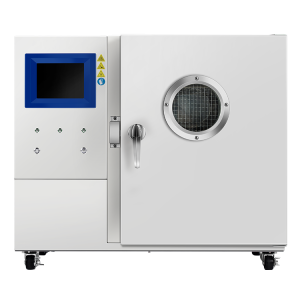
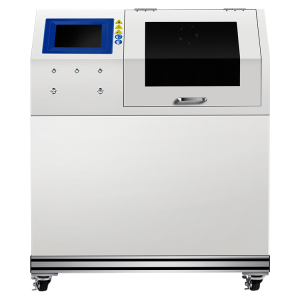
- Accelerating Rate Calorimeter TAC-500AE — for runaway reaction evaluation, thermal decomposition studies, adiabatic temperature rise, pressure rise and thermokinetic analysis.
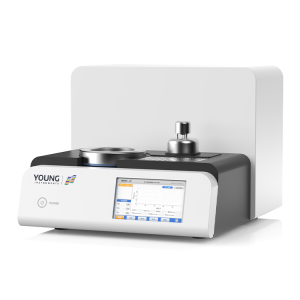
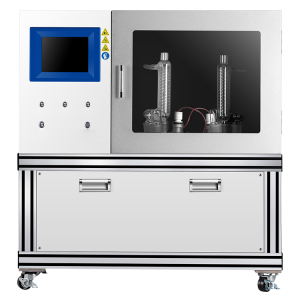
- Reaction Calorimeter RC HP-1000AE — for process safety assessment, heat release measurement, reaction optimization and scale-up support.
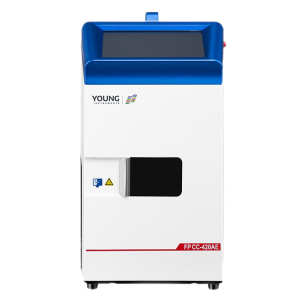
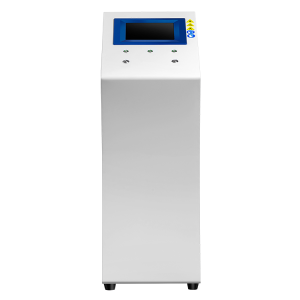
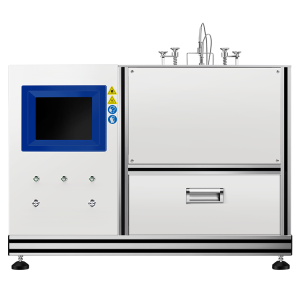
- Micro Continuous Closed-Cup Flash Point Tester FP CC-420AE — for flash point testing of fuels, solvents and volatile liquids using small sample volumes.
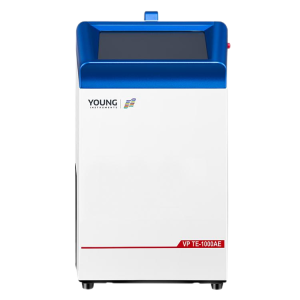
- Micro Vapor Pressure Tester VP TE-1000AE — for measuring vapor pressure behavior of volatile petrochemical products and liquid samples.
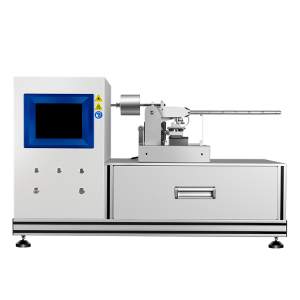
- Adiabatic SADT Tester HWP27-10SE — for evaluating self-accelerating decomposition risk of temperature-sensitive chemicals.
- Chemical Physical Hazards Testing Instruments — for broader classification-related testing, including autoignition, sustained combustibility, corrosivity to metals, self-heating and other physical hazard properties.
Supporting Standards and Compliance Context
Petrochemical testing is often connected to internal EHS procedures, process safety management, transport classification and quality control systems. Depending on the sample and application, laboratories may refer to standards and guidance such as UN Recommendations on the Transport of Dangerous Goods, the UN Manual of Tests and Criteria, ASTM E2009 for oxidation onset temperature of hydrocarbons by DSC, and other method-specific standards for flash point, vapor pressure, thermal stability and chemical physical hazards.
Zeal Instruments does not replace the role of regulatory authorities or certified classification bodies. Instead, our instruments help laboratories generate repeatable, traceable and application-relevant data that can support technical evaluation, internal risk review and compliance-related documentation.
From Laboratory Data to Safer Petrochemical Decisions
In petrochemical production, one incomplete safety parameter can affect storage design, reaction scale-up, transport planning or emergency response. Reliable thermal testing allows engineers and laboratory teams to move from assumption-based decisions to data-driven process safety.
Zeal Instruments works with petrochemical laboratories, research institutes, quality control teams and safety engineers to match the right instrument to each testing objective. Whether you need rapid screening by DSC, runaway reaction assessment by ARC, process heat data from reaction calorimetry, or flash point and vapor pressure testing for volatile products, our team can support instrument selection, method setup, training and after-sales service.
Frequently Asked Questions
Thermal safety testing helps identify whether a material or reaction may release heat, generate pressure, decompose, ignite or become unstable under process or storage conditions. This is critical for safer scale-up, transportation and plant operation.
An Accelerating Rate Calorimeter is commonly used to study runaway reactions and self-heating behavior under near-adiabatic conditions. It can provide data such as onset temperature, temperature rise, pressure rise and reaction severity.
Flash point and vapor pressure are important for volatile liquids, fuels, solvents and petrochemical products. These parameters help assess flammability, volatility, packaging, storage and transport risks.
Yes. Zeal Instruments provides application guidance, installation support, training and after-sales service to help laboratories establish practical testing workflows for petrochemical samples.