







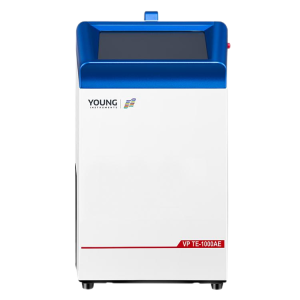


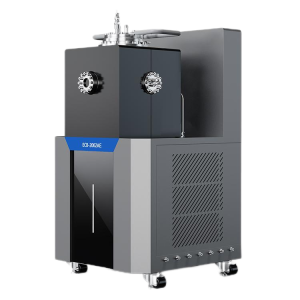

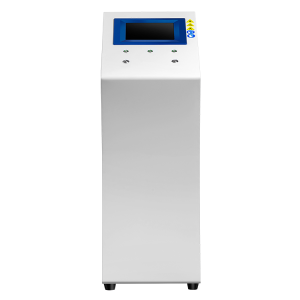
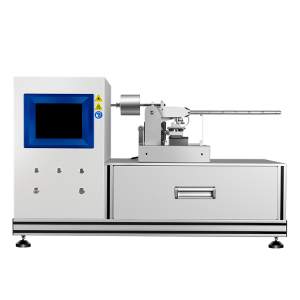











ASTM C518 Testing for Insulation Thermal Conductivity by Heat Flow Meter
In building energy efficiency, cold chain transportation, industrial pipeline insulation, and thermal protection applications, the thermal conductivity of insulation materials, usually expressed as λ value in W/(m·K), is one of the key indicators used to evaluate insulation performance.
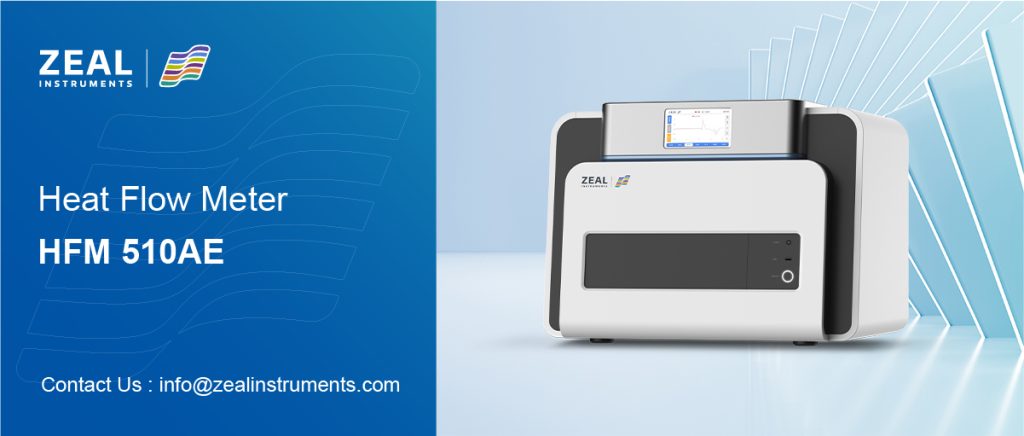
ASTM C518 testing is a widely used steady-state method for measuring the thermal transmission properties of insulation materials. Its full name is Standard Test Method for Steady-State Thermal Transmission Properties by Means of the Heat Flow Meter Apparatus. The method uses a Heat Flow Meter Apparatus, also known as the Heat Flow Meter Method or HFM, to determine steady-state heat transfer properties.
As a fast and reliable steady-state testing method, ASTM C518 is widely used in insulation material research and development, production quality control, and incoming material inspection. It is also referenced by the U.S. FTC R-Value Rule as one of the accepted test methods for determining the R-value of building insulation products.
This article explains the testing principle of the Heat Flow Meter Method, the related standard system, major application scenarios, and the methodological differences between ASTM C518 and ASTM C177, the Guarded Hot Plate method.
What Is the Heat Flow Meter Method?
The Heat Flow Meter Method is a steady-state test method. Its basic working principle is as follows:
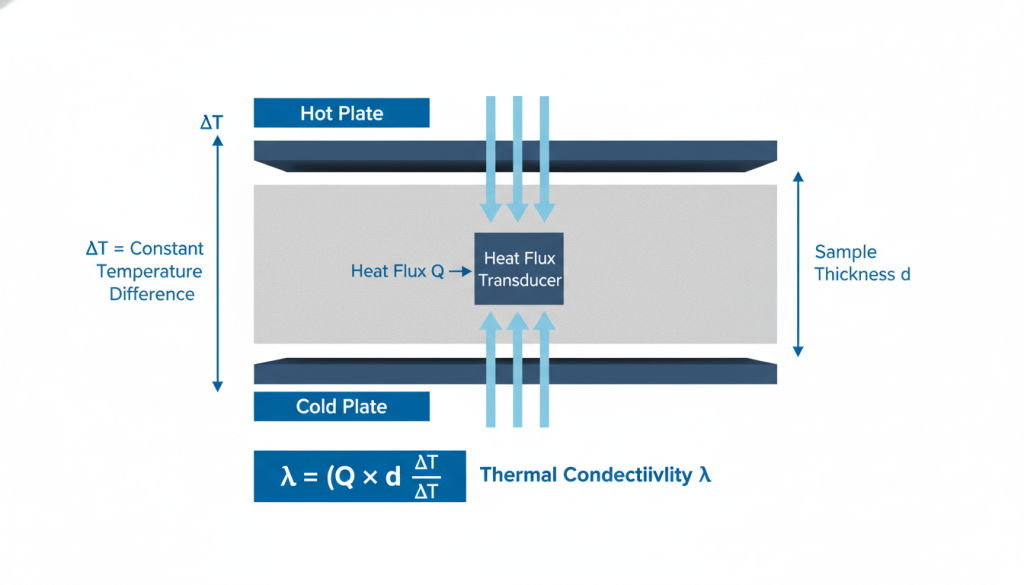
A flat specimen is placed between two temperature-controlled plates. One plate is maintained at a higher temperature, while the other plate is maintained at a lower temperature. A constant temperature difference, ΔT, is established between the two plates.
When the system reaches thermal equilibrium, a one-dimensional steady-state heat flow is formed through the specimen. A heat flux transducer, calibrated with a standard reference material, measures the heat flux passing through the central area of the specimen.
By recording the heat flux, specimen thickness, and temperature difference between the hot and cold plates, the thermal conductivity can be calculated using the following formula:
λ = (Q × d) / ΔT
Where:
- λ = thermal conductivity, W/(m·K)
- Q = heat flux, W/m²
- d = specimen thickness, m
- ΔT = temperature difference between the hot and cold plates, K
Key Features of ASTM C518 Testing
Comparative measurement method
The Heat Flow Meter Method requires calibration using standard reference materials with known thermal conductivity. Therefore, ASTM C518 is a comparative measurement method. The quality of calibration directly affects the accuracy of the test results.
Fast testing speed
A single test usually takes about 30–60 minutes, which is much faster than the Guarded Hot Plate method under ASTM C177, which often requires several hours or longer.
Typical temperature range
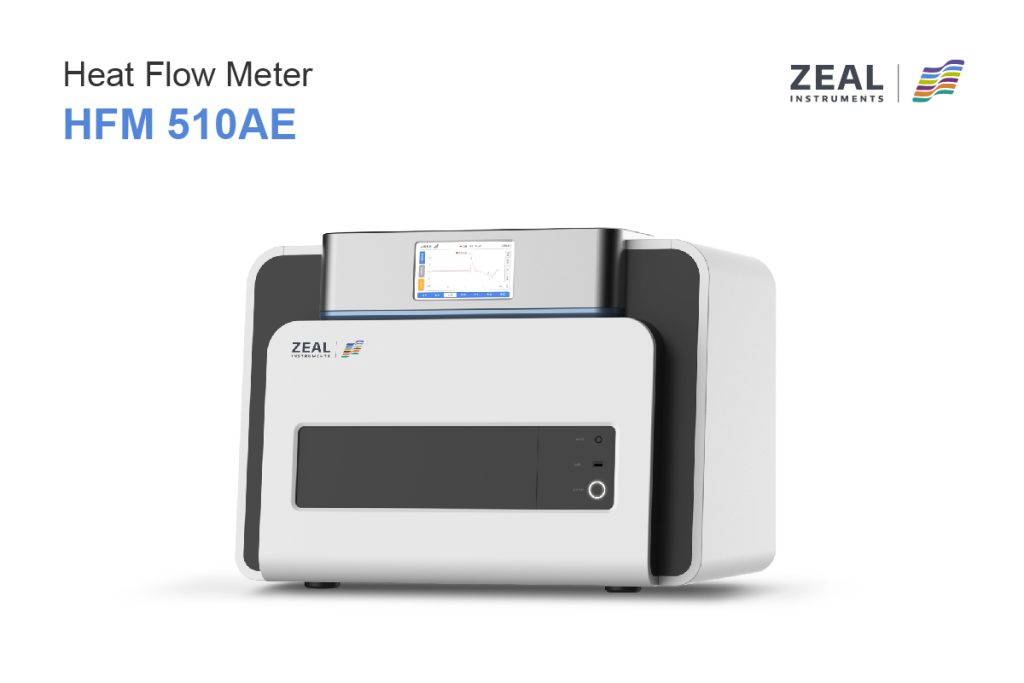
Conventional heat flow meter instruments generally cover a temperature range from approximately -20°C to 100°C. Some wide-temperature models can extend this range, but most mainstream applications are concentrated in low- to medium-temperature conditions.
Applicable thermal conductivity range
ASTM C518 testing is commonly used for materials with thermal conductivity in the range of approximately 0.002–2 W/(m·K), covering most insulation and thermal protection materials.
Accuracy level
The method provides relatively high accuracy, typically around ±2% to ±5%, depending on the accuracy of the reference material, calibration quality, specimen preparation, and equipment maintenance.
Related Testing Standards
ASTM C518 is one of the most representative standards for the Heat Flow Meter Method. Around the world, several related standards form a complementary testing system to ensure comparability and traceability of thermal conductivity and thermal resistance data.
ASTM C518-17 and later versions
ASTM C518 is a core HFM standard in the North American building insulation field. It is also referenced by the FTC R-Value Rule, making it an important method for insulation products entering or serving the North American market.
ISO 8301:1991
ISO 8301 is an international standard for measuring thermal resistance and related thermal transmission properties using the heat flow meter method. Its technical principle is highly consistent with ASTM C518, although details such as specimen size and temperature difference may vary.
EN 12667 / EN 12664
These European standards are used for the high-precision characterization of thermal performance in building and insulation materials.
JIS A1412
JIS A1412 is a Japanese Industrial Standard used for determining thermal resistance and thermal conductivity of thermal insulation materials.
ASTM C1784
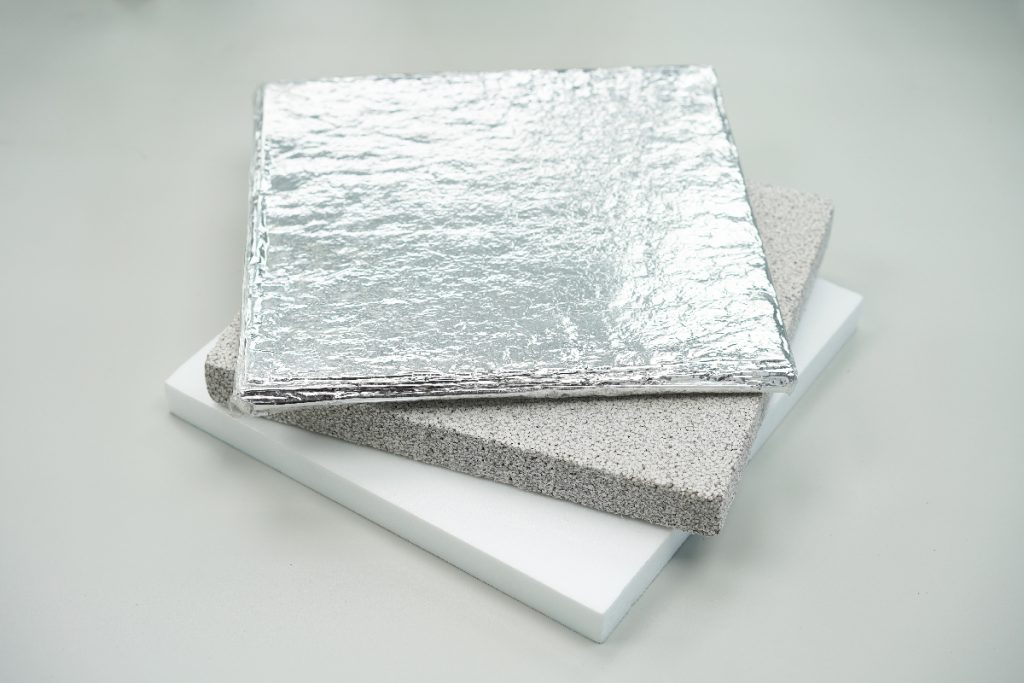
ASTM C1784 is designed for vacuum insulation panels, also known as VIPs. It addresses testing challenges for thin materials with extremely low thermal conductivity, where λ values may reach approximately 0.002–0.004 W/(m·K).
Specimen requirements
ASTM C518 typically requires flat specimens. Common specimen sizes include 300 mm × 300 mm or 600 mm × 600 mm, with a recommended thickness range of about 10–100 mm. Surface flatness is important because poor contact can increase contact thermal resistance and affect repeatability.
Applications of the Heat Flow Meter Method in Insulation Materials
1. Building Insulation Materials
Building energy consumption accounts for a significant portion of total energy use. The thermal conductivity of insulation materials used in exterior walls, roofs, and floors is a key input for energy-saving design.
The Heat Flow Meter Method is commonly used for materials such as:
- Expanded polystyrene boards, EPS
- Extruded polystyrene boards, XPS
- Rock wool boards
- Glass wool blankets
- Rigid polyurethane foam, PU
- Phenolic foam
In production environments, HFM instruments can be used for batch inspection to ensure that product thermal conductivity remains within the declared value, such as 0.032 W/(m·K).
2. Cold Chain and Vacuum Insulation Panels
Vacuum insulation panels are among the insulation materials with the lowest thermal conductivity, with λ values as low as approximately 0.002–0.004 W/(m·K).
HFM testing can be used for:
- Rapid screening of VIP panels before shipment
- Identifying vacuum failure in insulation panels
- Tracking thermal conductivity changes before and after aging tests
- VIP-specific testing in accordance with ASTM C1784
3. Industrial Pipeline and Equipment Insulation
In petroleum, chemical, power plant, and industrial thermal systems, the thermal conductivity of pipeline insulation materials directly affects heat loss and energy efficiency.
The Heat Flow Meter Method can be used to test:
- Flexible insulation blankets
- Calcium silicate pipe insulation
- Aerogel composite materials
- Foam glass insulation
4. Research and Teaching
Universities and research institutes often use HFM instruments to develop and evaluate new insulation materials, such as:
- Nanoporous aerogels
- Bio-based insulation materials
- Composite thermal insulation materials
By testing thermal conductivity at different temperatures, such as 0°C, 25°C, and 50°C, researchers can study the temperature-dependent thermal behavior of materials.
ASTM C518 vs ASTM C177: How to Choose Between Two Steady-State Methods
In thermal conductivity testing for insulation materials, ASTM C518, the Heat Flow Meter Method, and ASTM C177, the Guarded Hot Plate method, are two of the most commonly discussed steady-state methods.
Understanding the difference between these two methods helps users choose the most suitable testing route according to their testing purpose, required accuracy, temperature range, and testing frequency.
| Comparison Item | ASTM C518, HFM | ASTM C177, GHP |
| Measurement principle | Comparative measurement method, requiring calibration with standard reference materials | Absolute measurement method, directly measuring heat power without calibration against a reference material |
| Standard positioning | Fast quality control and compliance label testing | Reference testing, arbitration testing, standard reference material assignment, and high-precision research |
| Testing speed | Fast, usually 30–60 minutes | Slow, usually 2–8 hours or longer |
| Accuracy | Relatively high, typically ±2% to ±5%, depending on calibration | High, typically ±1% to ±2% |
| Temperature range | Usually -20°C to 100°C | Can cover -180°C to 600°C with special configurations |
| Typical use | Production quality control, incoming inspection, export compliance testing | Laboratory comparison, reference material assignment, arbitration testing, and wide-temperature research |
| Equipment cost | Relatively lower | Higher, especially for wide-temperature systems |
Selection Recommendations
If your application requires high-frequency, large-volume factory inspection, incoming material testing, or R-value compliance testing for insulation products in the North American market, ASTM C518 testing is usually the more efficient and economical choice.
If your application requires the highest level of thermal conductivity accuracy, such as standard reference material assignment, inter-laboratory comparison, or arbitration-level testing, ASTM C177 is often more suitable.
For applications involving extreme temperatures, such as liquid nitrogen temperature ranges or high-temperature working conditions, ASTM C177 may also be preferred depending on the required test configuration.
In practical use, ASTM C518 and ASTM C177 are not simply substitutes for each other. They are often complementary methods. ASTM C518 is commonly used for routine quality control and fast screening, while ASTM C177 provides reference-level data for calibration, verification, or dispute resolution.
Conclusion
ASTM C518 testing is a fast, reliable, and cost-effective method for measuring the thermal conductivity of insulation materials. It is especially suitable for production quality control, incoming material inspection, engineering verification, and export compliance testing.
With the mature instrument ecosystem of the Heat Flow Meter Method, ASTM C518 provides important data support for building energy efficiency, cold chain logistics, industrial insulation, and new insulation material development.
Compared with ASTM C177, ASTM C518 offers clear advantages in testing speed and batch inspection efficiency. However, it is slightly lower in accuracy and depends on regular calibration with standard reference materials. Users should select the most suitable steady-state testing method based on testing frequency, accuracy requirements, temperature range, and whether arbitration-level data is required.


