


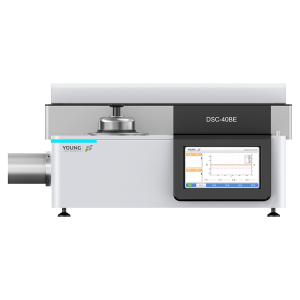
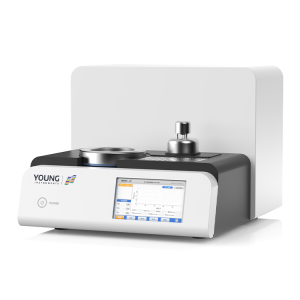


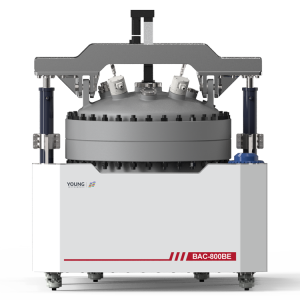


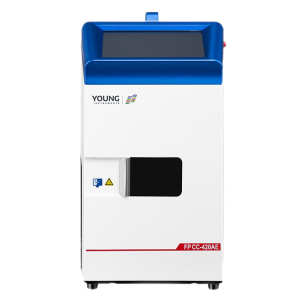



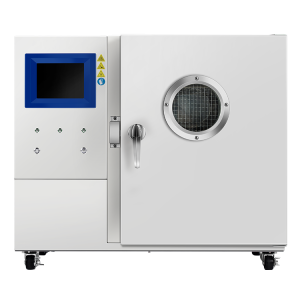


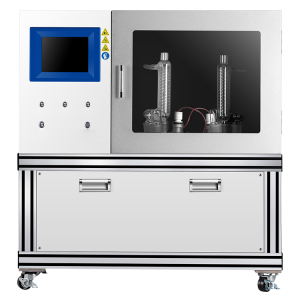


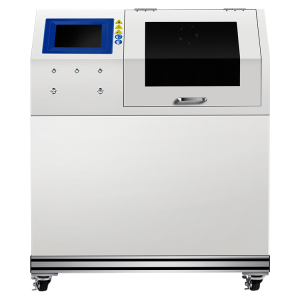

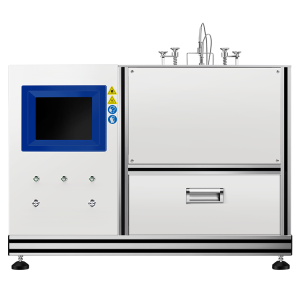






Testing Capabilities
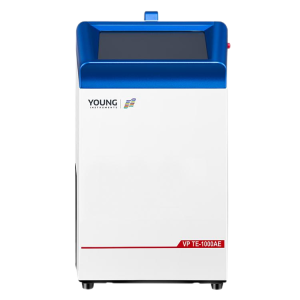
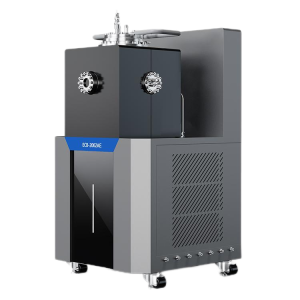
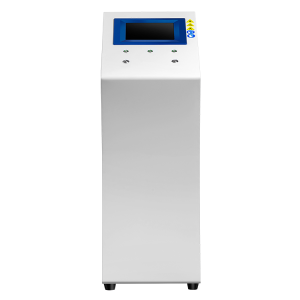
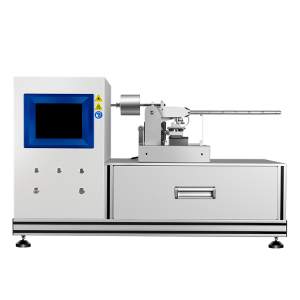
Complete thermal characterization. From material screening to module-level runaway analysis.
View Detail





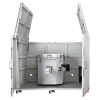

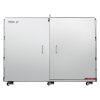
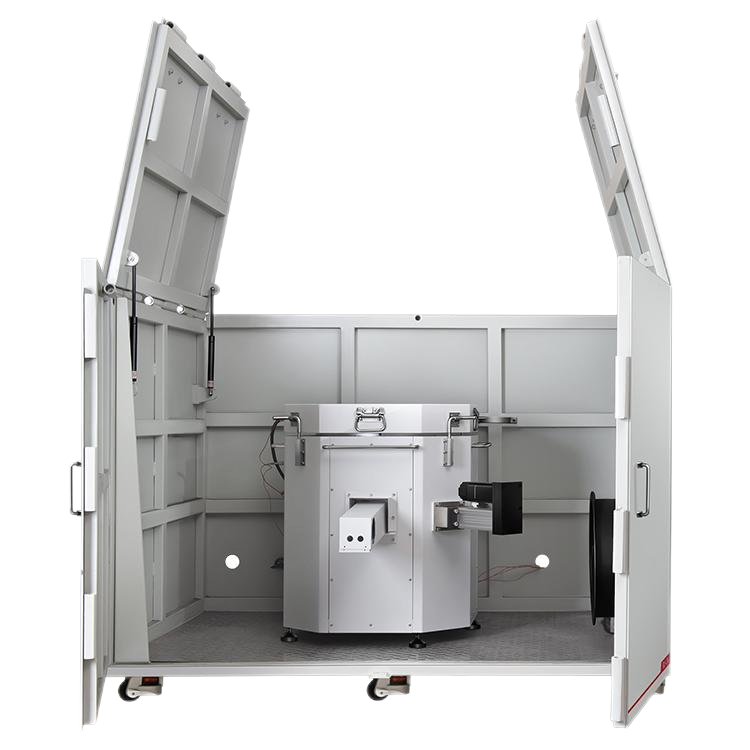
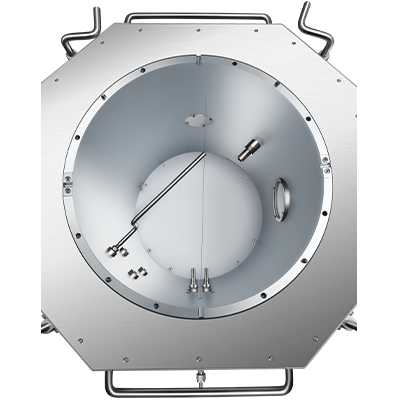
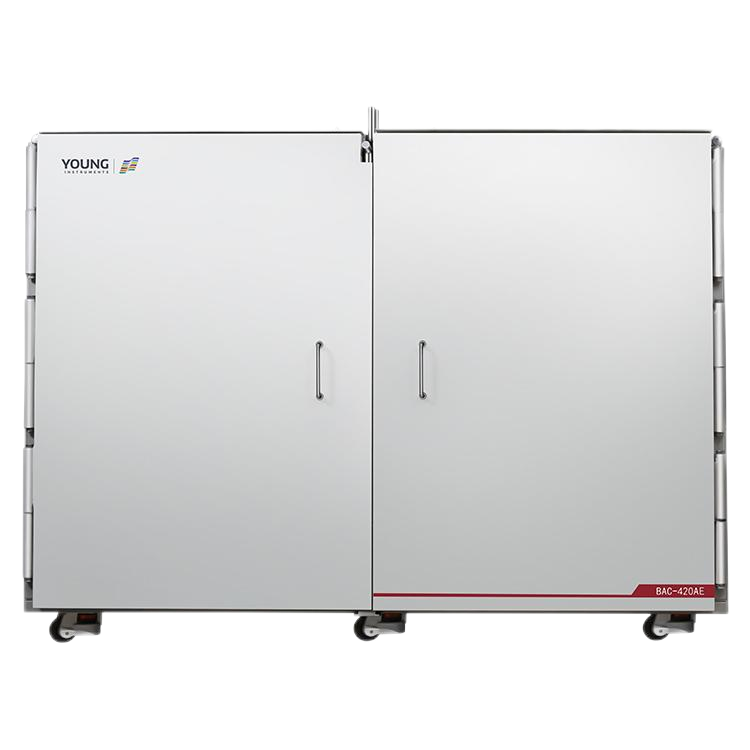
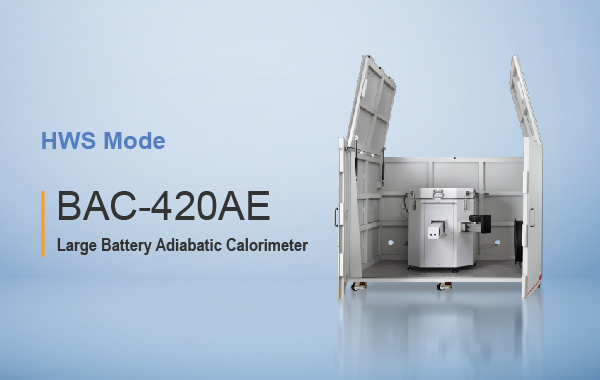
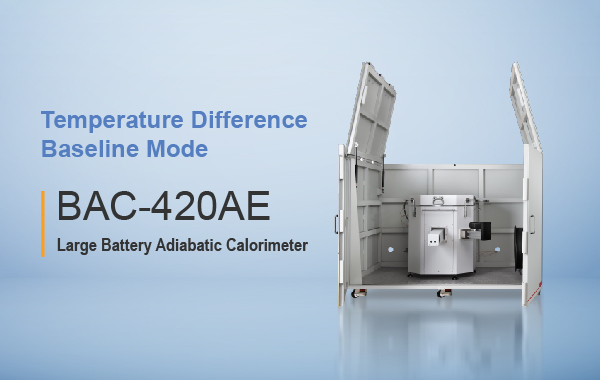
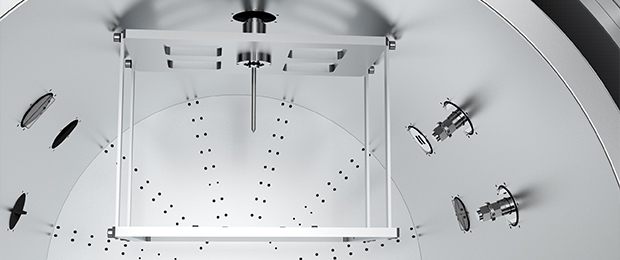
The BAC-420AE is a compact adiabatic calorimeter designed for large battery cells and small modules up to 600 mm in length. With a 420 mm furnace diameter and ±500 A current range, it provides a cost-effective and reliable platform for standard thermal runaway and heat generation studies.
Thermal Runaway Onset Temperature, Maximum Rate of Temperature Rise, Adiabatic Temperature Rise, Specific Heat Capacity, etc.
Battery Pack, Battery Cell

Features

Specifications
Standards

Applications

Videos

Compact 420 mm Furnace Design
±500 A Standard Electrical Testing Range
Adiabatic Thermal Runaway & Gas Monitoring
High Sensitivity Self-Heating Detection
Auxiliary Heating for Efficient Baseline Stabilization
Integrated Explosion Protection System
| Adiabatic Furnace Dimensions | 420 mm (Diameter) × 520 mm (Depth) |
| Self-exothermic Detection Sensitivity | 0.01–0.02 ℃/min, adjustable via software |
| Temperature Difference between Furnace and Sample in Constant Temperature | ≤0.5 °C |
| Temperature Control Range | RT–300 °C |
| Temperature Tracking Rate | 0.02–13 °C/min |
| Operating Pressure Range | 0–2 MPa |
| Maximum Nail Penetration Stroke | Software-configurable |
| Maximum Current-carrying Capacity of Charge/Discharge Electrode Posts | -500 to 500 A |

Product Introduction

BAC Series

Product Introduction
BAC-420AE
Product Introduction
BAC-420AE
Product Introduction
BAC-420AE
No information!
UL 9540A: Battery ESS Thermal Runaway & Fire Propagation
ASTM E1981-98(2012): ARC Thermal Stability Assessment
USABC SAND99-0497: Thermal Stability Tests (USABC)
SAE J2464 (R2009): Thermal Stability Tests (SAE)
FreedomCAR SAND 2005-3123: Thermal Stability Tests (FreedomCAR)
UL 1973: Stationary & Motive Battery Safety
GB 38031-2020: EV Traction Battery Safety
SN/T 3078.1-2012: Chemical Thermal Stability — ARC
From battery materials and small pouch cells to large-format prismatic and cylindrical modules, the BAC series covers the full lithium-ion development chain. Chamber diameters range from 90 mm to 1000 mm and support samples up to 1500 mm in length.
Compact systems provide the sensitivity needed for coin-cell and thin pouch-cell screening, while large-format systems accommodate energy-storage cells, large LFP designs, and high-energy-density automotive cells. All configurations operate under true adiabatic conditions, ensuring consistent thermal runaway characterization.
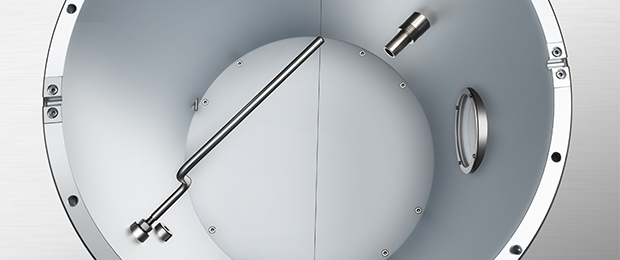
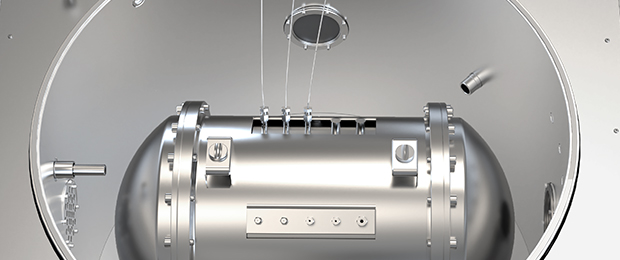
The BAC series offers two chamber configurations: vented lid relief and sealed directional relief.
Vented systems use a spring-loaded lid for primary venting, with a 3.5 mm steel blast enclosure and high-flow exhaust for additional isolation. Sealed systems integrate rupture discs and relief valves for directional pressure relief, supporting gas-evolution analysis with dedicated safety alarms.
Beyond conventional thermal abuse testing, the system integrates gas collection, pressure measurement, nail penetration, video monitoring, charge/discharge calorimetry, specific heat capacity measurement, atmosphere simulation, and cryogenic cooling.
Each module mounts directly to the adiabatic chamber without altering thermal boundaries or pressure integrity. This enables multi-physics characterization in a single test sequence, from standalone thermal abuse testing to concurrent runaway and gas-evolution analysis.
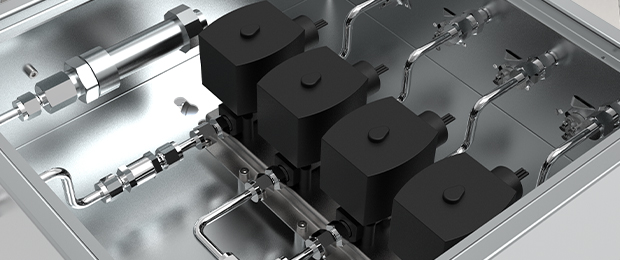
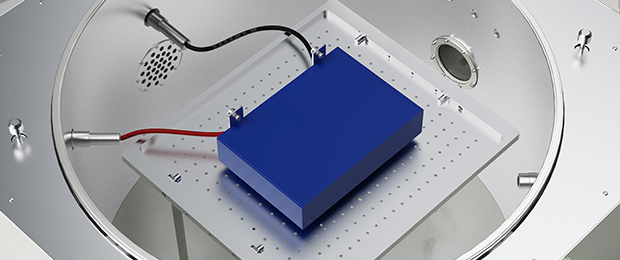
An integrated control architecture combines a predictive thermal model, classical PID regulation, and refined furnace design to maintain true adiabatic tracking for large-format cells.
Trained on extensive experimental data, the model anticipates sample temperature trajectories and proactively adjusts furnace conditions. This reduces thermal-inertia-induced control lag, shortens stabilization time, and delivers the high-precision self-heating detection required for reliable battery ARC characterization.
Baseline calibration is essential for accurate ARC data. Conventional methods require 3–5 days for a 280 Ah LFP cell, and complex conditions can extend beyond one week.
The BAC series applies an auxiliary heating wire directly to the sample surface, cutting calibration time by one-third while maintaining full measurement fidelity under HWS validation. An integrated baseline database further streamlines preparation by enabling direct recall of historical profiles matched to sample specifications.
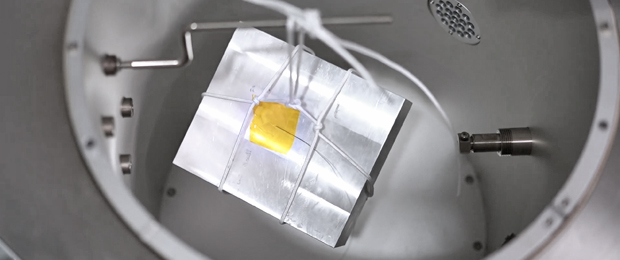
The BAC series has been validated on hundreds of commercial cells, covering ultra-high-nickel NCM (9-series), NCM811, NCM622, and LFP chemistries from 130 Ah to 320 Ah.
It achieves precise adiabatic thermal runaway characterization and thermophysical property measurement across this range of formats and chemistries, demonstrating broad applicability and reliable measurement performance.

Complete thermal characterization. From material screening to module-level runaway analysis.

From sensor to structure. Multi-layer protection for the full thermal runaway spectrum.

Traceable validation. Quantified proof of adiabatic performance across the series.

Real-world validated. From 120 Ah cells to 3800 Ah modules.

Built around your protocol. Up to 2500 mm.

Ask us any general question you may have
Customer-centric, providing professionalservice.


