




















ASTM D5865
ASTM D240
ASTM D4809
ASTM D5468
ASTM E711
ISO 1928








Calorific Value
Coal, Metallurgy, Construction, Petrochemical

Description
Features

Specifications
Standards

Applications

Videos
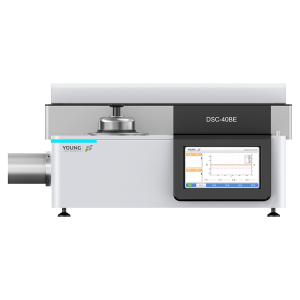
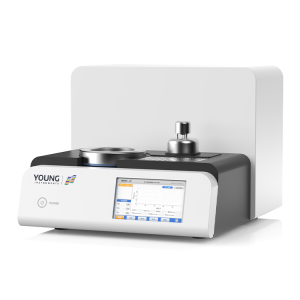
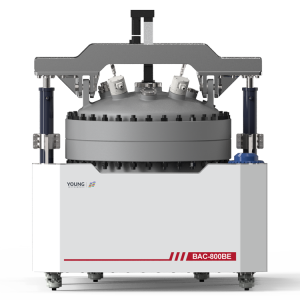
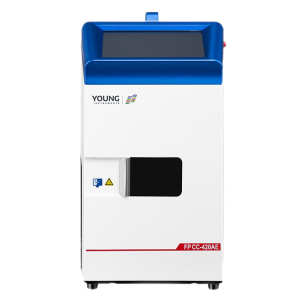
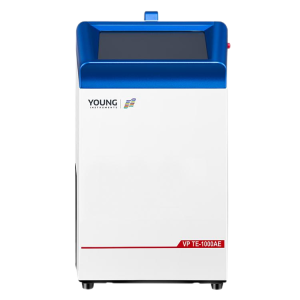
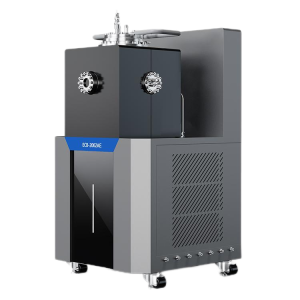
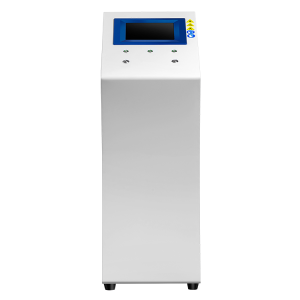
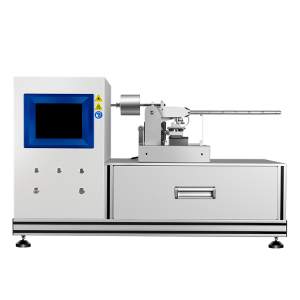
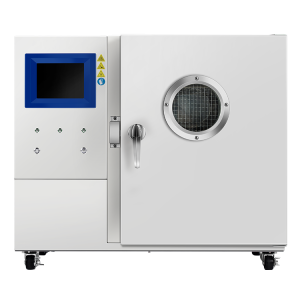
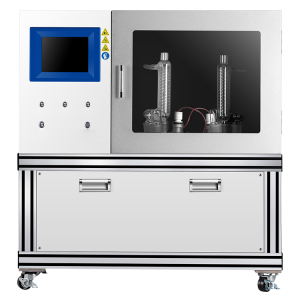
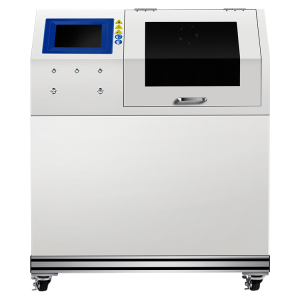
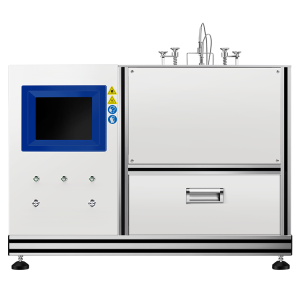
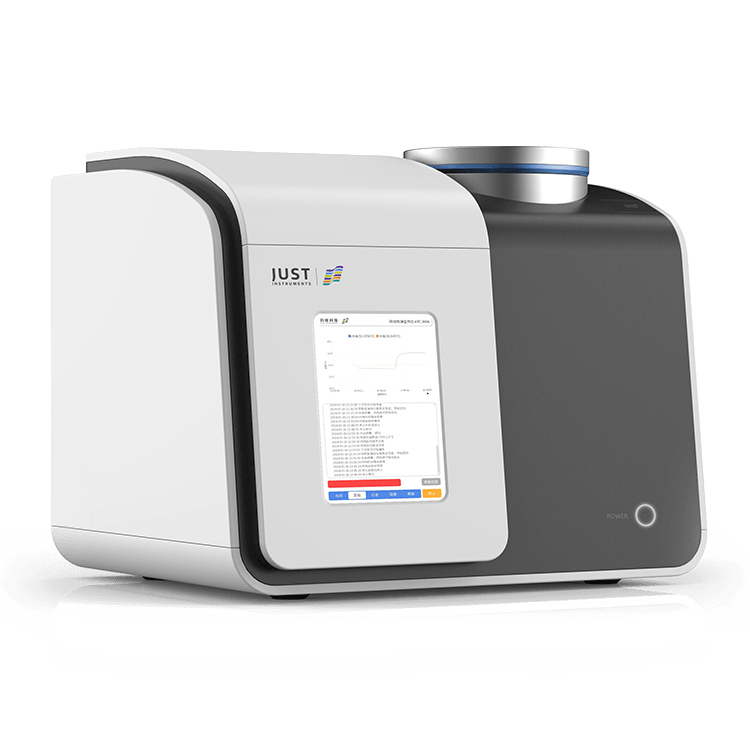
The Oxygen Bomb Calorimeter is a precision instrument used to measure the calorific value of substances during combustion. It is widely applied in the fields of energy, food, chemistry, and environmental research. The device determines the heat value of a sample by measuring the heat released when it undergoes complete combustion in a high-pressure oxygen environment.

Ensures efficient and convenient operation with automated functions: oxygen bomb lifting/identification, oxygen charging/decompression, charging pressure detection, bomb leak testing, precise inner vessel water measurement, and automatic water filling/draining for inner and outer vessels.
Features a semiconductor-based refrigeration water circulation system with a high-precision filter, enabling real-time water temperature monitoring, rapid adjustment, and effective isolation from ambient interference.
Intelligently diagnoses ignition wire status and provides short-circuit protection for the ignition circuit.
Dynamically displays data curves on a color touchscreen for intuitive visualization of the testing process.
Automatically corrects for calorific value interference from ignition wires, nitric acid, sulfur, etc., providing gross, net, and bomb calorific values with unit conversion support.
Automatically generates graphs and process data, storing them locally with historical data query capability.
| Operating Environment | 15–30℃, <80%RH |
| Ignition Method | Cotton Thread or Ignition Wire |
| Test Mode | Isoperibol |
| Test Time | Conventional Method<18min, Rapid Method<10min |
| Calorific Value Testing Range | ≤34,000 J |
| Calorific Value Accuracy | ±50 J (with benzoic acid) |
| Heat Capacity Precision | ≤0.1% |
| Heat Capacity Stability | ≤0.2% (within one year) |
| Maximum Oxygen Bomb Pressure | 300 bar |
| Bomb Material | Stainless Steel, Hastelloy (corrosion-resistant) |
| Stirrer Maximum Rotation Speed | 600 rpm |

Product Operation

ATC 300A
No information!
ASTM D5865
ASTM D240
ASTM D4809
ASTM D5468
ASTM E711
ISO 1928

