


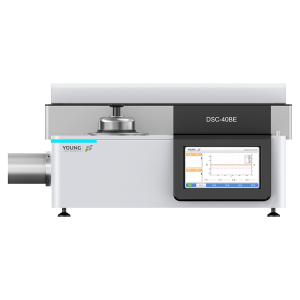
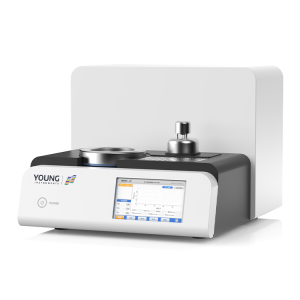


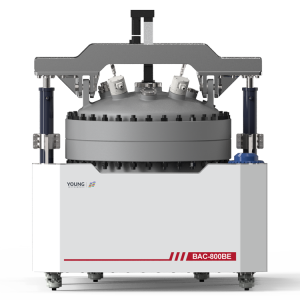


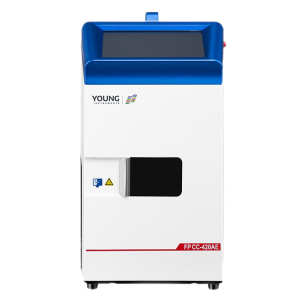
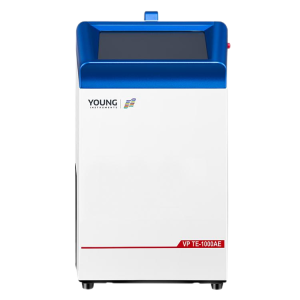


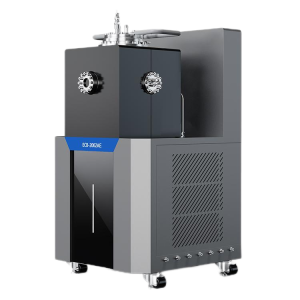

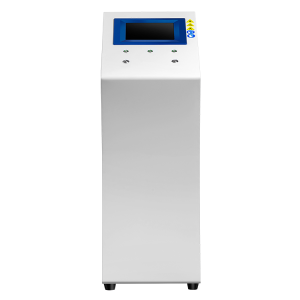
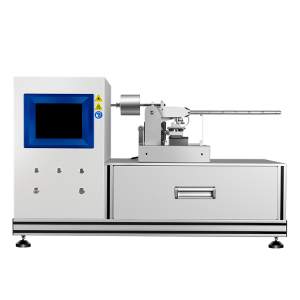
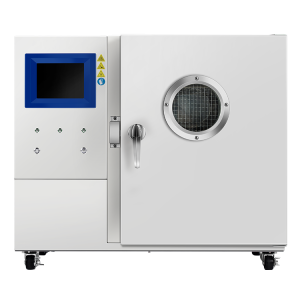


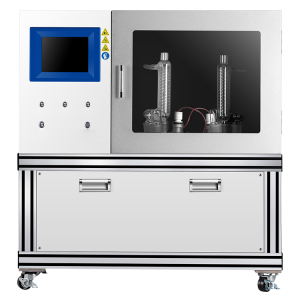


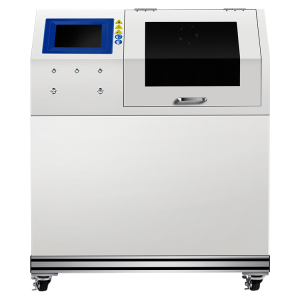

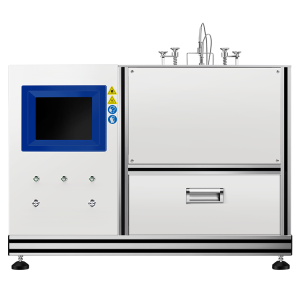





Testing Capabilities
Complete thermal characterization. From material screening to module-level runaway analysis.
View Detail







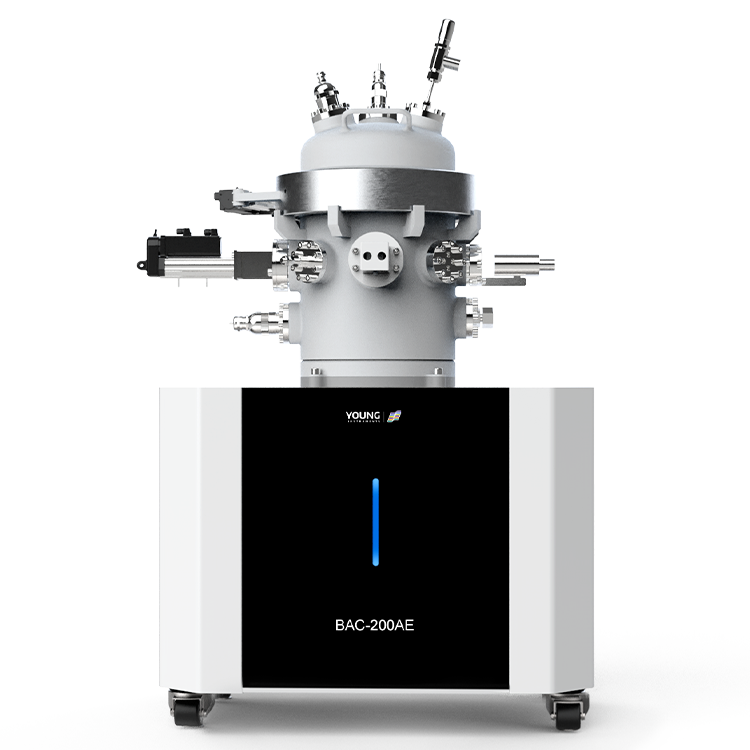

and testing teams to perform comprehensive safety performance evaluation.
Thermal runaway onset temperature | Maximum thermal runaway rate | Adiabatic temperature rise
Lithium-ion batteries

Features

Specifications
Standards

Applications

Videos

Self-heating detection sensitivity far exceeds the 0.02 °C/min standard threshold, with exceptional adiabatic performance.
Integrated adiabatic thermal runaway–gas evolution analysis with optional real-time camera for gas behavior recording and mechanism studies.
200 mm × 250 mm chamber covers full range of pilot-scale cell formats.
Modular design enables both battery material thermal stability testing and cell-level testing for cross-scale thermal safety assessment.
Heating wire auxiliary heating with baseline calibration and intelligent algorithms improves experimental efficiency by up to 5× for rapid high-risk formulation screening.
Compact footprint requires no site modifications; deploys rapidly in university labs, R&D centers, and battery plant design departments.
Dynamic sealing structure rated to 3 MPa per GB/150 enables sealed-condition nail penetration testing for extreme scenario safety assessment.
Comprehensive active and passive safety systems: rupture disc, pressure relief valve, audible and visual alarms, emergency stop button, furnace lid anomaly detection, and dual overtemperature protection.
Precise thermodynamic and kinetic parameter characterization including specific heat capacity, charge/discharge heat generation, and GB/T 36276 adiabatic temperature rise.
Built-in differential temperature baseline database with online thermocouple consistency calibration.
Pressure/temperature–video synchronized monitoring for full experimental process visibility.
| Adiabatic Furnace Dimensions | 200 (Diameter) × 250 mm (Depth) |
| Temperature Control Range | RT–450°C, optional low-temperature module to –40°C |
| Self-Heating Detection Sensitivity | 0.01–0.02 ℃/min, adjustable via software |
| Adiabatic Tracking Rate | 0.02–25°C/min |
| Temperature Difference between Furnace and Sample in Constant Temperature | ≤0.5°C |
| Working Pressure | 0–3 MPa |
| Calorimetric Chamber Pressure Relief Vent | Included |
| Rupture Disc | Included |
No information!
No information!
No information!
No information!
UL 9540A: Battery ESS Thermal Runaway & Fire Propagation
ASTM E1981-98(2012): ARC Thermal Stability Assessment
USABC SAND99-0497: Thermal Stability Tests (USABC)
SAE J2464 (R2009): Thermal Stability Tests (SAE)
FreedomCAR SAND 2005-3123: Thermal Stability Tests (FreedomCAR)
UL 1973: Stationary & Motive Battery Safety
GB 38031-2020: EV Traction Battery Safety
GB 38031-2020: EV Traction Battery Safety
SN/T 3078.1-2012: Chemical Thermal Stability — ARC

Complete thermal characterization. From material screening to module-level runaway analysis.

From sensor to structure. Multi-layer protection.

Traceable validation. Quantified proof of adiabatic performance across the series.

Real-world validated. From 120 Ah cells to 3800 Ah modules.

Built around your protocol. Custom chamber configurations up to 2500 mm.

Ask us any general question you may have
Customer-centric, providing professionalservice.


