






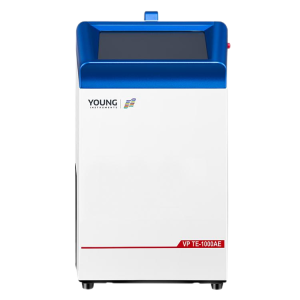


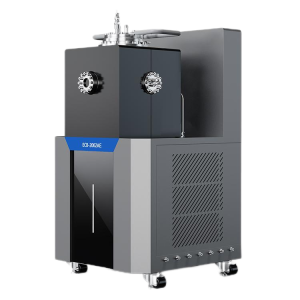

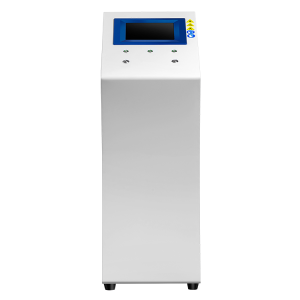
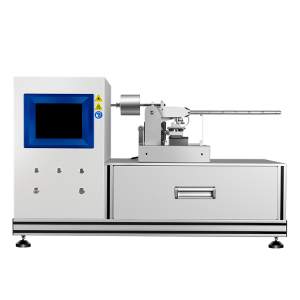
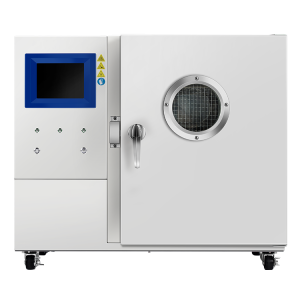


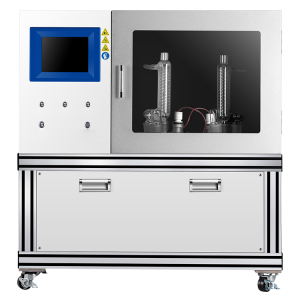


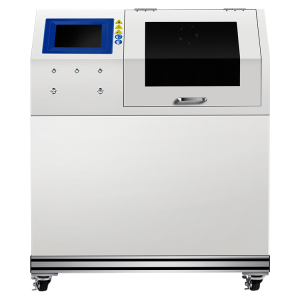

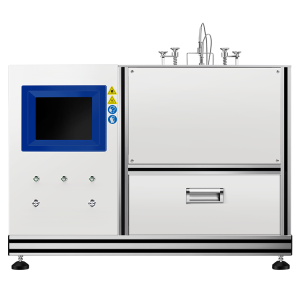






Testing Capabilities
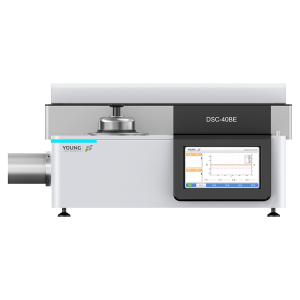
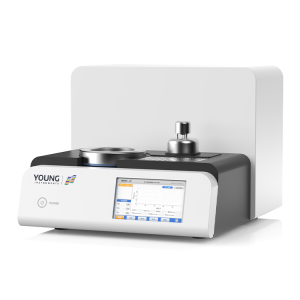
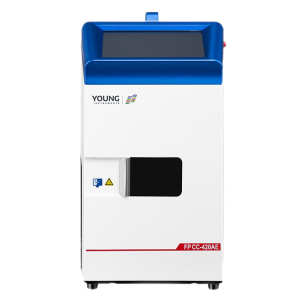
Complete thermal characterization. From material screening to module-level runaway analysis.
View Detail







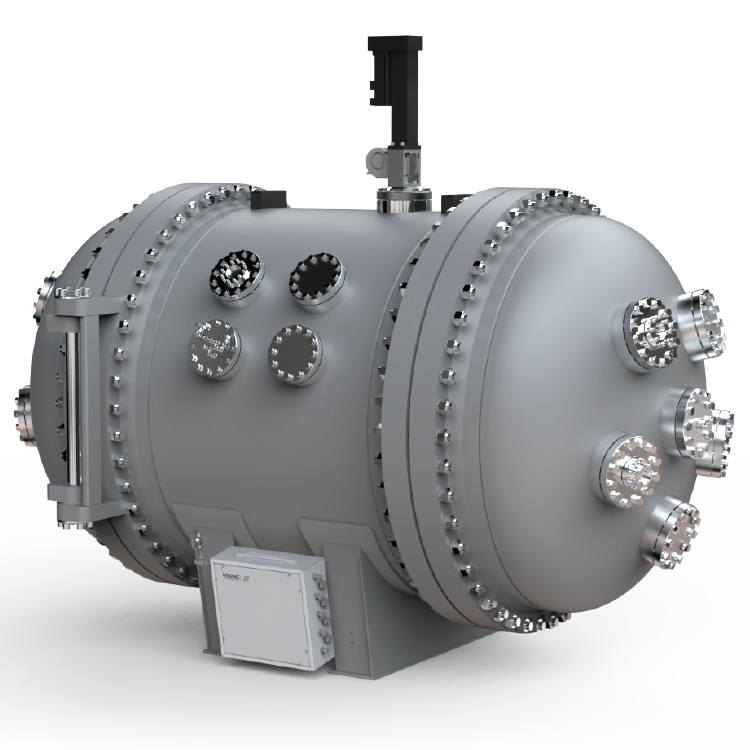


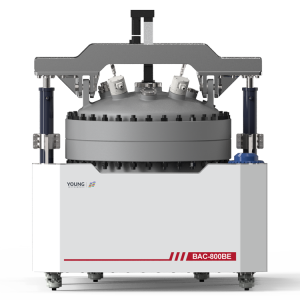
The BAC-1000AE is engineered for large-format battery cells, modules, and partial pack-level assemblies with long sides up to 1500 mm. Featuring a 1000 mm diameter adiabatic furnace and ±1000 A current capacity, it is specifically designed for high-capacity battery systems requiring module-scale thermal runaway and gas generation analysis under realistic electrical loading conditions.
Thermal Runaway Onset Temperature, Maximum Rate of Temperature Rise, Adiabatic Temperature Rise, Specific Heat Capacity, etc.
Battery Pack, Battery Cell

Features

Specifications
Standards

Applications

Videos

The 1000 mm large-diameter furnace accommodates large prismatic cells, battery modules, and structural battery assemblies for module-level thermal evaluation.
The ±1000 A high-current capability enables high-power charge/discharge heat generation testing and severe electrical abuse scenarios under realistic load conditions.
Integrated adiabatic thermal runaway and gas generation analysis allows simultaneous acquisition of temperature rise, gas volume, and pressure evolution data.
The high-precision self-exothermic detection sensitivity of 0.01–0.02 ℃/min ensures accurate identification of thermal runaway onset and self-heating behavior.
The auxiliary heating wire system enhances baseline stabilization and significantly reduces experimental preparation time.
A comprehensive safety architecture including bursting discs, pressure relief valves, and multi-level alarm systems ensures safe operation during high-energy module testing.
| Adiabatic Furnace Dimensions | 1000 mm (Diameter) × 1200 mm (Depth) |
| Self-exothermic Detection Sensitivity | 0.01–0.02 ℃/min, adjustable via software |
| Temperature Difference between Furnace and Sample in Constant Temperature | ≤1 °C |
| Temperature Control Range | RT – 300 °C, with a low-temperature module reaching -25 °C |
| Sealed Canister Pressure Range | 0–2 MPa |
| Temperature Tracking Rate | 0.02–15 °C/min |
| Maximum Nail Penetration Stroke | Up to 200 mm (through software settings) |
| Maximum Current-carrying Capacity of Charge/Discharge Electrode Posts | -1000–1000 A |

Product Introduction

BAC Series

Product Operation
BAC-420AE
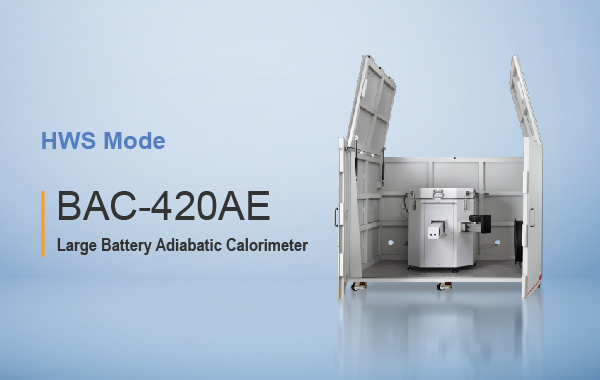
Product Operation
BAC-420AE
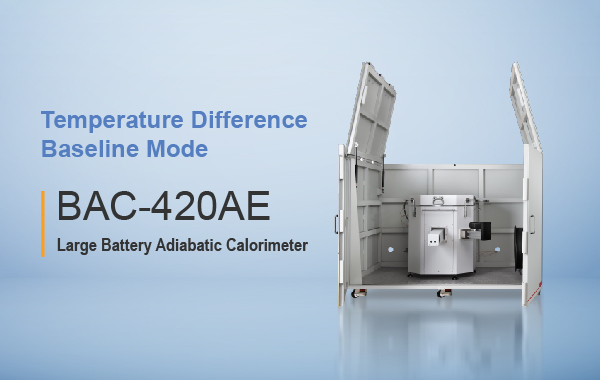
Product Operation
BAC-420AE
No information!

Complete thermal characterization. From material screening to module-level runaway analysis.

From sensor to structure. Multi-layer protection.

Traceable validation. Quantified proof of adiabatic performance across the series.

Real-world validated. From 120 Ah cells to 3800 Ah modules.

Built around your protocol. Custom chamber configurations up to 2500 mm.

Ask us any general question you may have
Customer-centric, providing professionalservice.


